
Archive: 2026/01 - Page 2

- 10 Comments
Combining cannabis with CNS depressants like benzodiazepines or opioids can cause dangerous sedation, slowed breathing, and overdose. Learn the risks, real-world cases, and how to stay safe.
- 13 Comments
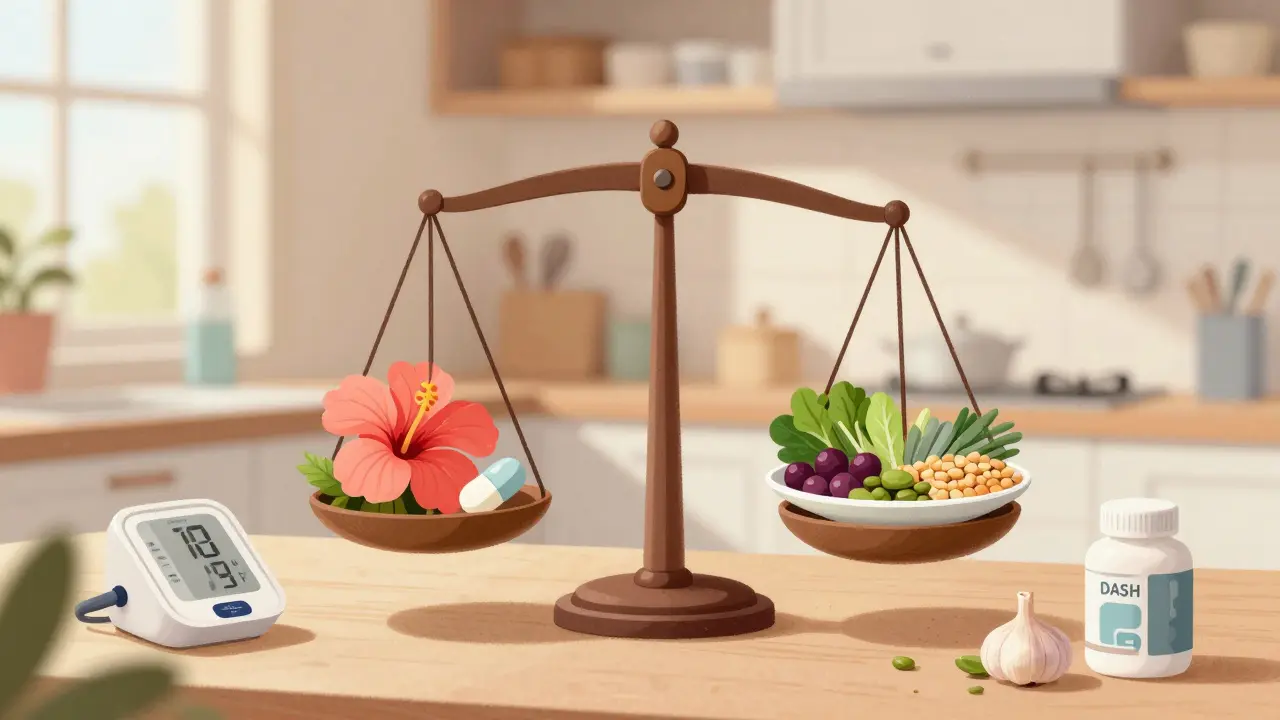
Learn how to manage high blood pressure with proven natural strategies like the DASH diet, hibiscus tea, and magnesium-used safely alongside medication. Real results, real science, no hype.
- 11 Comments
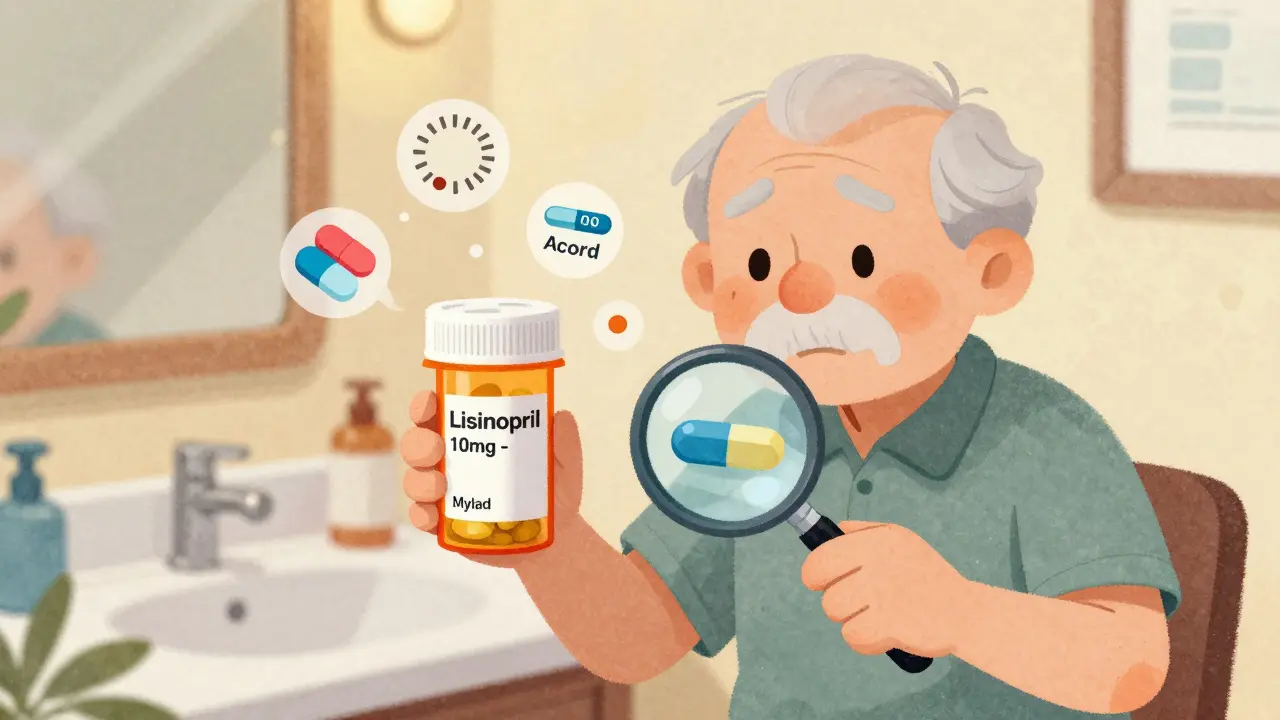
Learn how to safely compare your new prescription labels with old ones to avoid dangerous medication errors. Check active ingredients, dosage, pill appearance, and manufacturer details every time you refill.
- 11 Comments
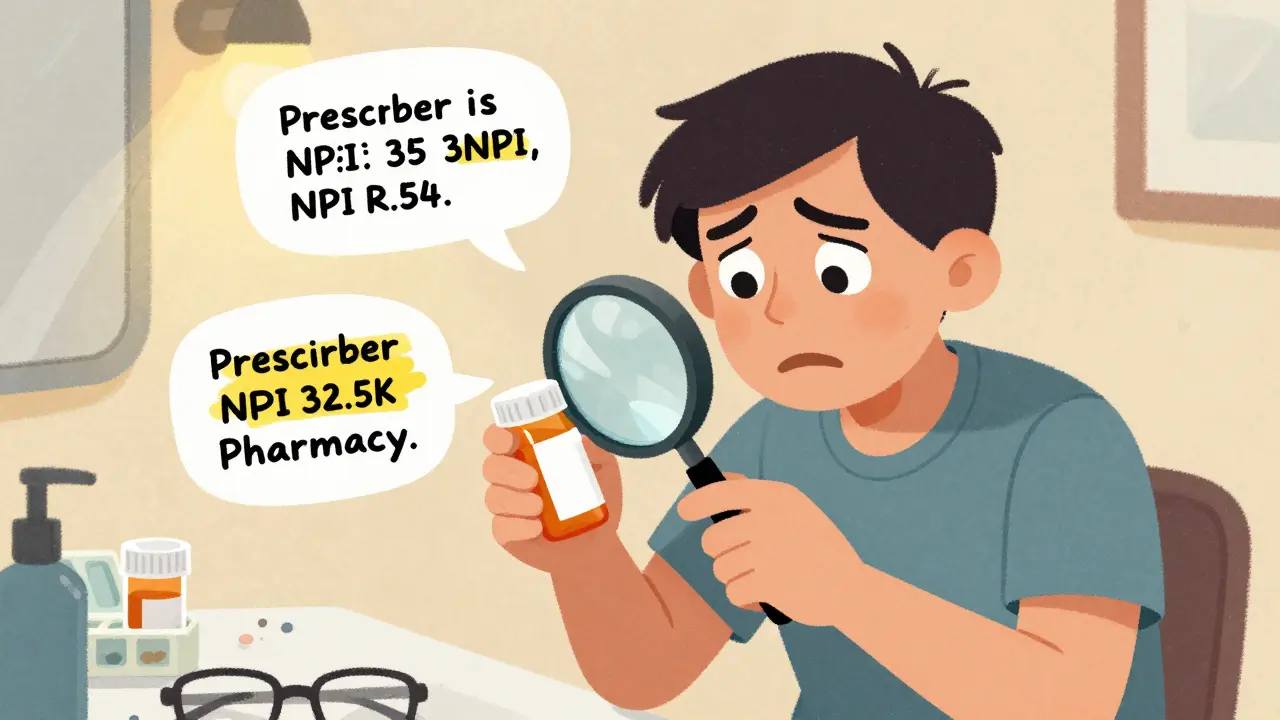
Learn how to check the prescriber and pharmacy details on your medication label to prevent dangerous errors. Simple steps can stop wrong drugs, incorrect dosages, and life-threatening mix-ups.
- 14 Comments
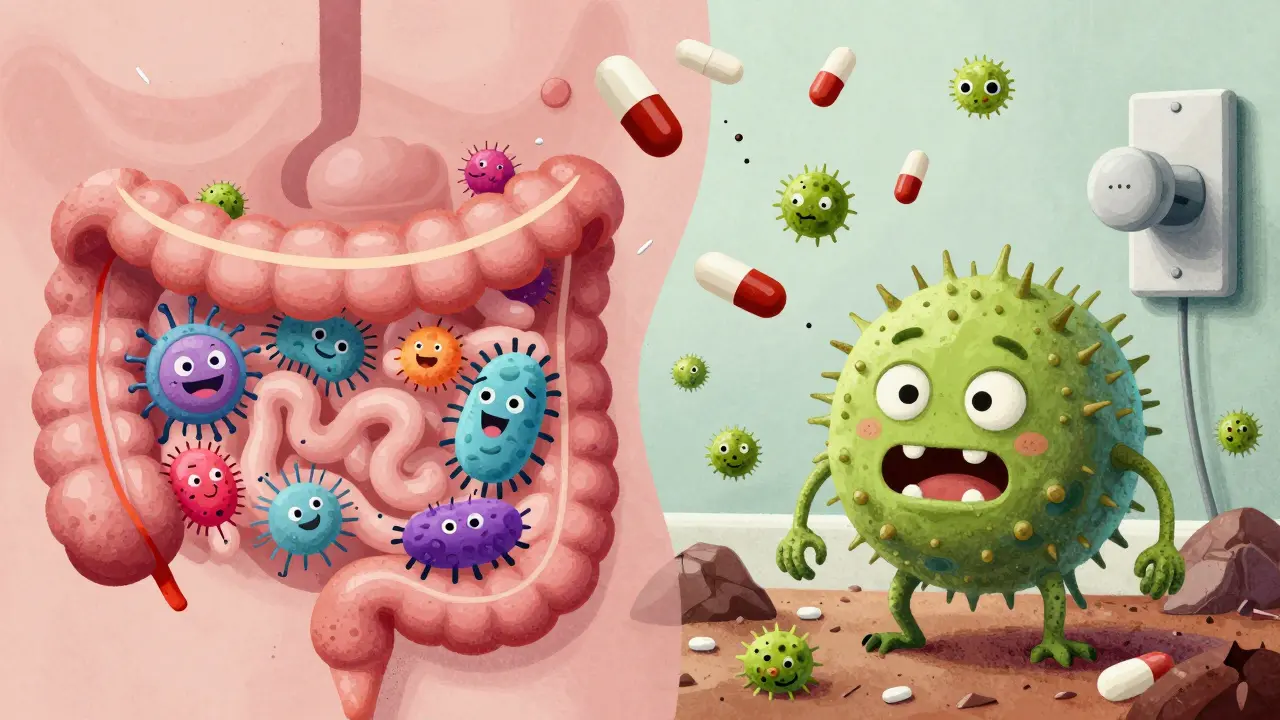
Antibiotic-induced diarrhea can be harmless - or it can be a life-threatening C. diff infection. Learn how to recognize it, treat it properly, and prevent it from coming back.
- 12 Comments
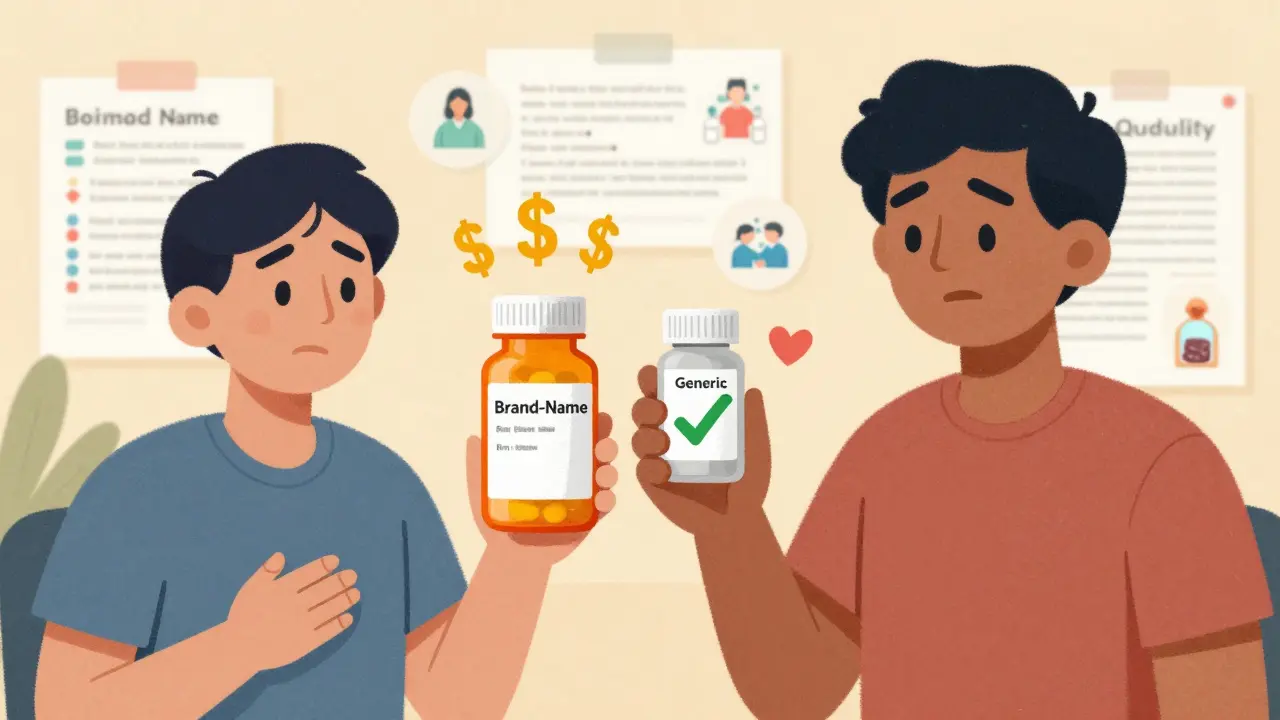
Generics aren't just cheaper - they're often better for health outcomes. Learn how outcomes economics proves that generic medications improve adherence, reduce hospitalizations, and save billions - without sacrificing effectiveness.
- 11 Comments
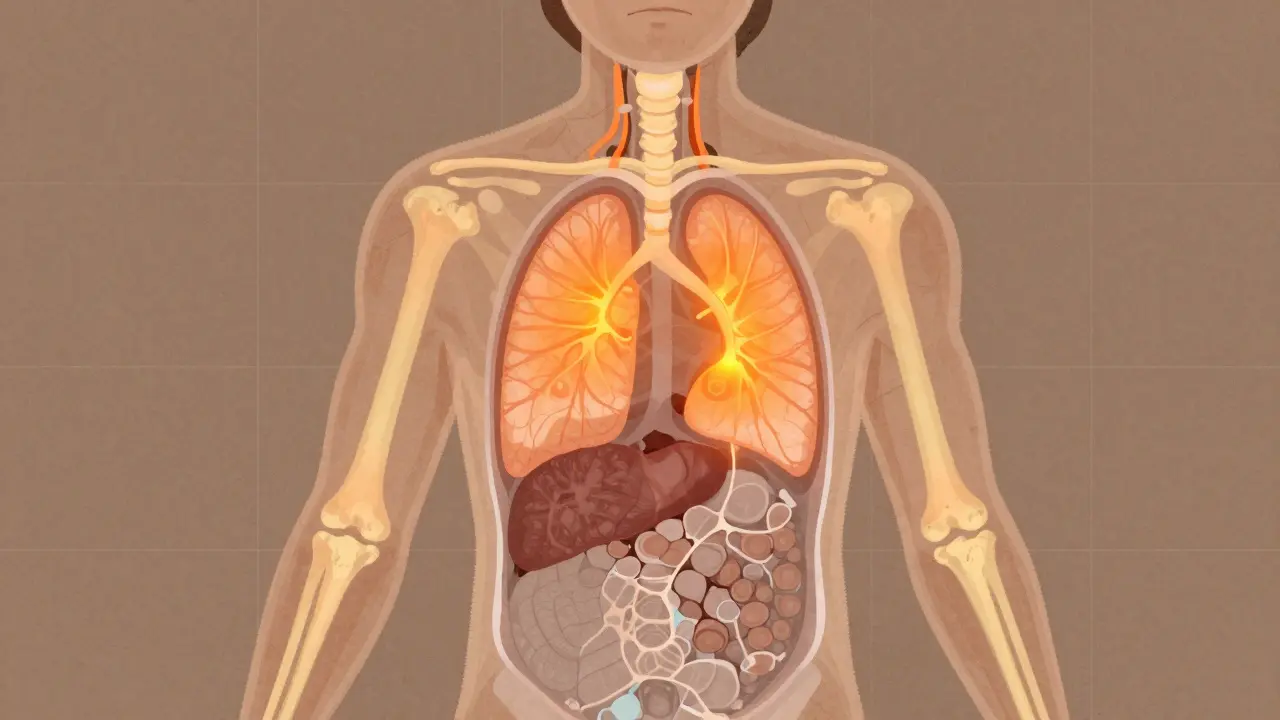
PET-CT, MRI, and PET-MRI each play unique roles in cancer staging. Learn which scan is best for different cancers, their accuracy, costs, and why no single tool works for all cases.

- 8 Comments
Cardiovascular generics are safe and effective for most people, backed by large-scale studies. Learn what the real data says about safety, side effects, and when to stick with brand-name drugs.

- 10 Comments
Itchy, red eyes from allergies? Learn how antihistamine eye drops like Pataday and Zaditor work, which ones are best, how to use them correctly, and what to avoid. Get practical, science-backed relief.
- 9 Comments
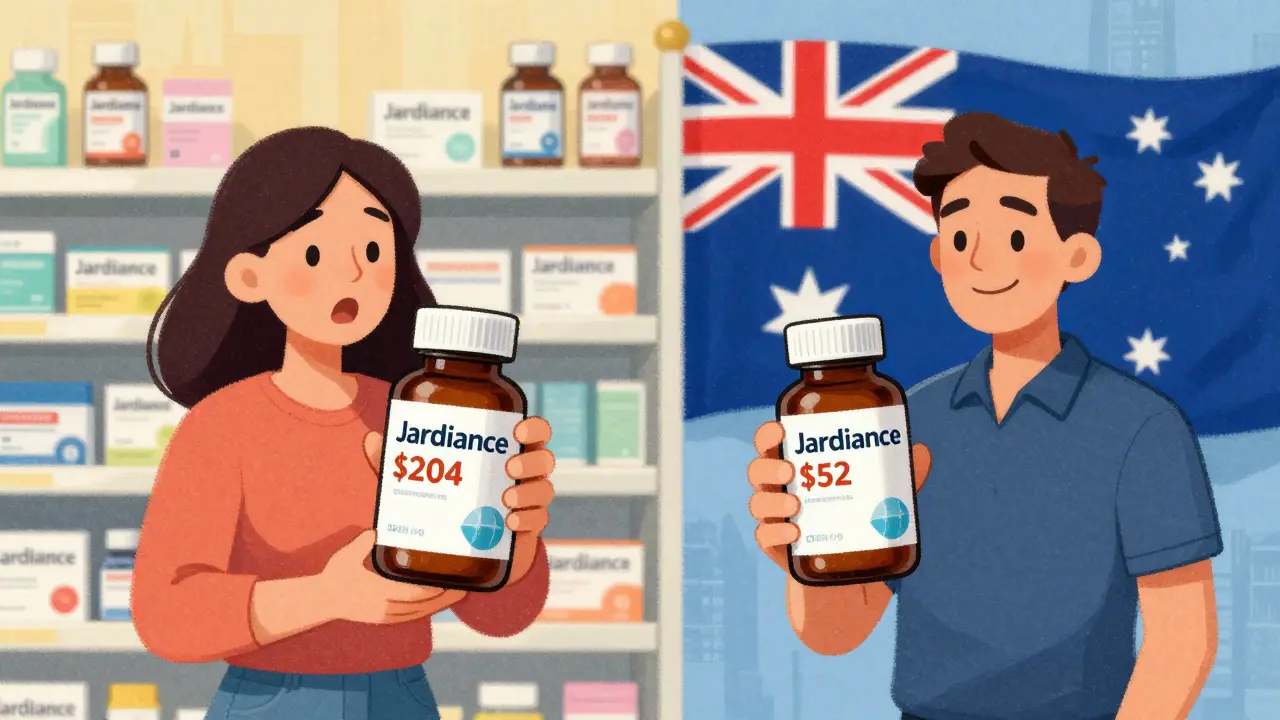
Drug prices vary wildly across countries - the same medication can cost 10 times more in the U.S. than in Australia or Japan. This is due to policy, not market forces. Here’s how different countries control costs and what it means for patients.