
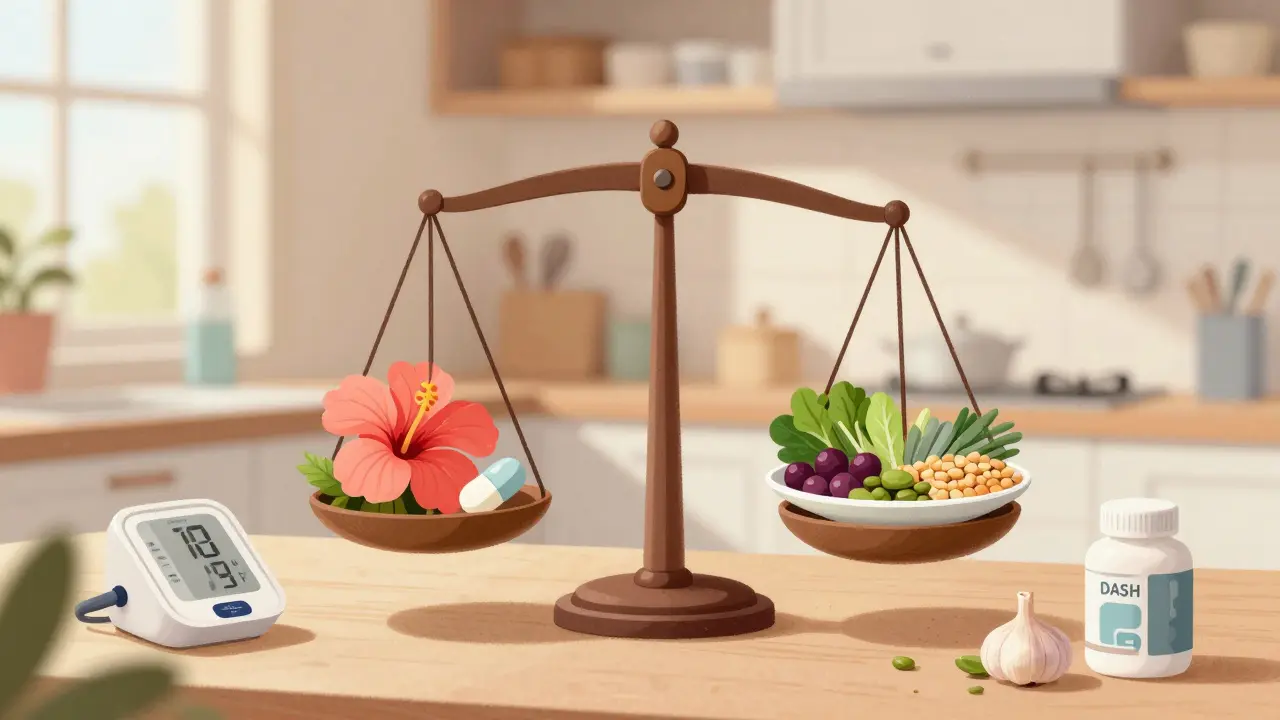
High blood pressure doesn’t announce itself with pain or warning signs. It just creeps up, silently raising your risk of stroke, heart attack, and kidney damage. By 2026, over 1.3 billion adults worldwide are living with hypertension-most without even knowing it. The good news? You don’t have to rely only on pills to bring it down. A growing body of science shows that natural strategies, when used correctly and alongside medication, can make a real difference. But here’s the catch: natural doesn’t mean safe on its own. And medication isn’t a crutch-it’s a tool. The key is balance.
What Hypertension Really Means
Hypertension isn’t just a number on a monitor. According to the 2017 guidelines from the American Heart Association and American College of Cardiology, it’s defined as a systolic reading consistently above 130 mm Hg or a diastolic reading above 80 mm Hg. That’s not a mild fluctuation-it’s a chronic condition that strains your arteries, heart, and organs over time. The goal isn’t just to lower the number; it’s to reduce your long-term risk. Studies show that lowering systolic pressure by just 5 mm Hg cuts stroke deaths by 14%, heart disease by 9%, and overall mortality by 7%.
For many, this means starting with medication. First-line drugs like ACE inhibitors, ARBs, calcium channel blockers, and diuretics work fast-often showing results in 2 to 4 weeks. But they come with side effects: dizziness, fatigue, leg cramps, and sometimes kidney changes. That’s why so many people look for ways to reduce their reliance on pills. The question isn’t whether to use natural methods-it’s how to use them safely and effectively.
The Science Behind Natural Blood Pressure Tools
Not all natural remedies are created equal. Some are backed by solid research. Others are just hype. Here’s what actually works, based on clinical trials and meta-analyses up to 2023:
- DASH diet: Developed by the National Heart, Lung, and Blood Institute, this eating plan focuses on fruits, vegetables, whole grains, lean proteins, and low-fat dairy. When followed strictly for 30 days, it can drop systolic blood pressure by 8 to 14 mm Hg. It’s not a fad-it’s a full lifestyle shift.
- Sodium reduction: The average American eats 3,400 mg of sodium daily. The target for hypertension control is 1,500 mg. Cutting back by even half can lower systolic pressure by 5 to 6 mm Hg. That’s like adding a free medication to your routine.
- Coenzyme Q10: At doses of 100-225 mg daily, this antioxidant has been shown in multiple studies to reduce systolic pressure by 11-17 mm Hg. It’s not as strong as amlodipine, but it’s gentler and supports heart muscle function.
- Aged garlic extract: Taking 600-1,200 mg daily reduces systolic pressure by 7-10 mm Hg in stage 1 hypertension. It also has anti-inflammatory effects and may help with arterial stiffness.
- Hibiscus tea: Drinking 3-4 cups daily of hibiscus tea (Hibiscus sabdariffa) for 6 weeks lowers systolic pressure by about 7.2 mm Hg compared to placebo. Many users report noticeable changes within 4 weeks.
- Magnesium: 368 mg daily can reduce systolic pressure by 2 mm Hg and diastolic by 1.8 mm Hg. It’s especially helpful if you get leg cramps or have trouble sleeping.
These aren’t magic bullets. They’re tools. And like any tool, they work best when used properly.
Medication vs. Natural Approaches: The Real Numbers
Let’s compare apples to apples. In a 2022 review of 37 studies, pharmaceutical treatments lowered systolic blood pressure by an average of 15-20 mm Hg. Natural methods? More modest, but still meaningful:
- Weight loss of 5-10% of body weight: 5-20 mm Hg reduction
- 150 minutes of aerobic exercise per week: 5-8 mm Hg reduction
- Transcendental meditation (20 minutes twice daily): 4.7-5.5 mm Hg reduction
Here’s the thing: medications work faster. Natural approaches take time-usually 4 to 8 weeks before you see a clear change. But they’re safer. In 2022, the NIH recorded over 1,200 serious adverse events linked to antihypertensive drugs. For all natural supplements combined? Only 127. That doesn’t mean supplements are risk-free. It means they’re less likely to cause harm when used correctly.
But here’s where people get into trouble: they think natural means they can stop their pills. That’s dangerous. For stage 2 hypertension (140/90 or higher), or if you’ve had a heart attack or stroke, medication isn’t optional. Natural methods can help you reduce the dose, but they can’t replace it.
How to Combine Them Without Risk
The smartest approach isn’t either/or. It’s both. The 2023 SPRINT-2 trial proved that patients who combined intensive lifestyle changes with lower medication doses achieved the same blood pressure control-with 32% fewer side effects. That’s the future of hypertension care.
But mixing supplements and meds isn’t simple. Some combinations can be risky:
- Garlic + blood thinners: Can increase bleeding risk. If you’re on warfarin, check your INR levels.
- Hibiscus + diuretics: Both lower potassium. Can lead to dangerous low potassium levels.
- CoQ10 + beta-blockers: May lower blood pressure too much if taken together without monitoring.
- Licorice root: Avoid completely. It raises blood pressure and depletes potassium.
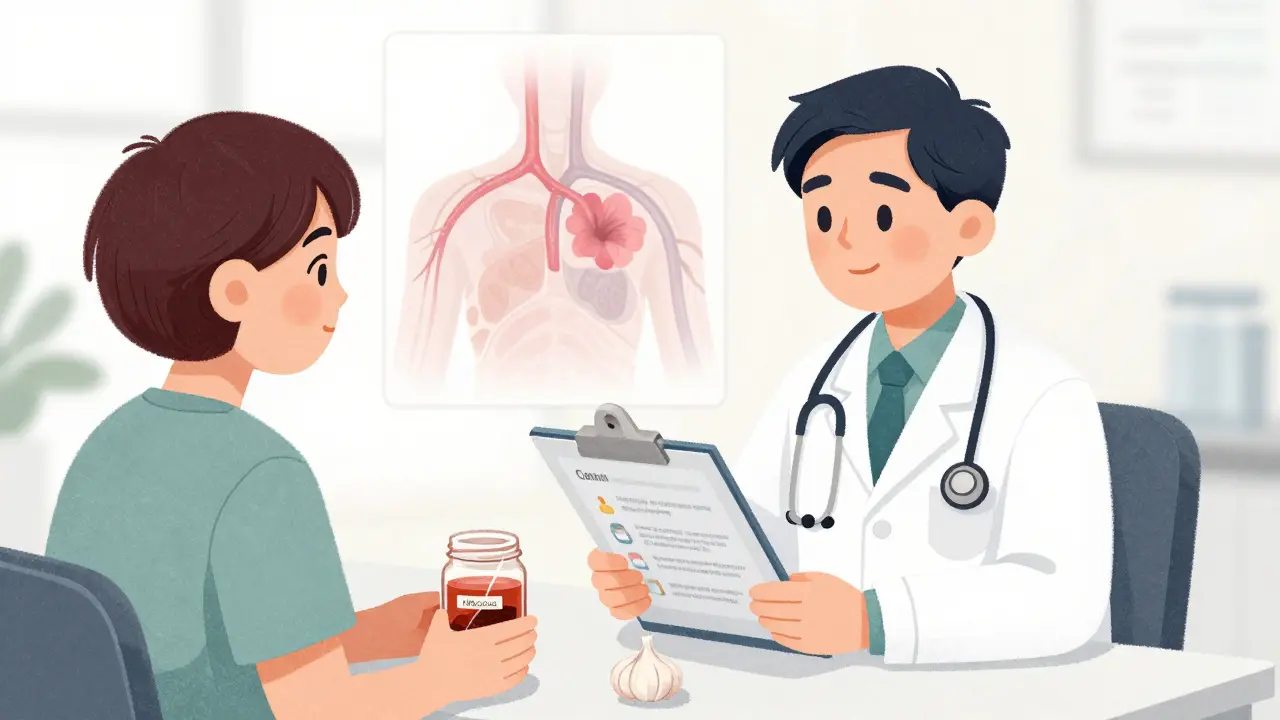
Always tell your doctor what supplements you’re taking-even if you think they’re “just herbal.” A 2022 survey found that 42% of supplement users never mention them to their doctors. That’s how dangerous interactions happen.
What Actually Works in Real Life
Real people aren’t lab subjects. They’re parents, teachers, retirees, and shift workers trying to fit health into busy lives. Reddit’s r/hypertension community-with over 47,000 members-has a pinned thread titled “Natural Approaches That Actually Worked for Me.” The top comments? Consistent.
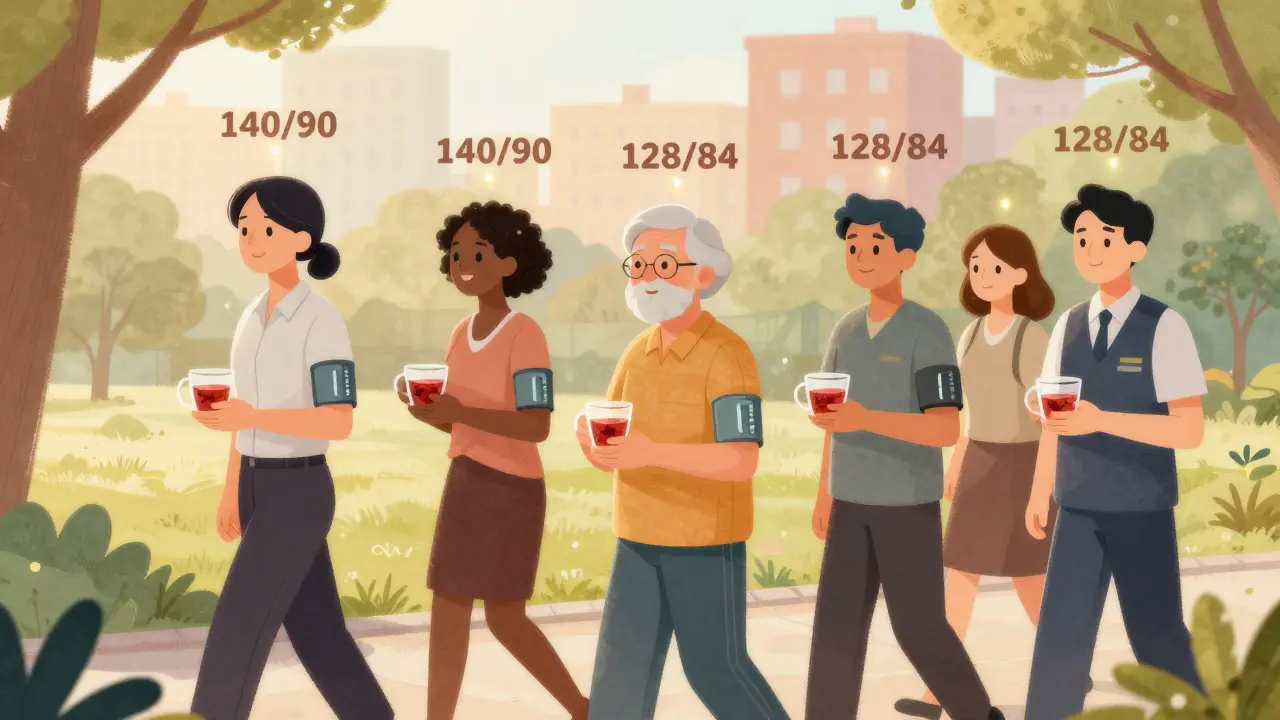
One user wrote: “Drank hibiscus tea every morning for 6 weeks. My systolic dropped from 148 to 135. No side effects.” Another said: “Switched to the DASH diet. Lost 12 pounds. My BP went from 142/92 to 128/84. My doctor was stunned.”
But there are warnings too: “Took garlic with lisinopril-got dizzy and almost passed out.” Another: “Hawthorn berry didn’t do anything. Wasted $60.”
GoodRx’s 2023 review of 2,841 users showed hibiscus tea rated 4.2/5 stars, with 78% reporting noticeable results. CoQ10 got 3.8/5, with 63% seeing modest improvement. Magnesium glycinate stood out-not just for blood pressure, but for reducing leg cramps and improving sleep.
Success isn’t about one magic pill or tea. It’s about consistency. The most successful people combined two or three natural strategies: DASH diet + daily walking + magnesium. And they kept their meds unless their doctor said otherwise.
Practical Steps to Start Today
You don’t need to overhaul your life overnight. Start with one change. Then add another after a month.
- Measure your blood pressure. Buy a validated home monitor (upper arm, not wrist). Track it daily for 2 weeks before making changes.
- Reduce sodium. Swap processed snacks for fresh fruit. Cook at home. Use herbs instead of salt. Aim for 1,500 mg a day.
- Try hibiscus tea. Brew 3 cups daily using dried hibiscus flowers. Drink it hot or cold. Notice changes after 4 weeks.
- Add daily movement. Walk 30 minutes, 5 days a week. No gym needed. Just keep moving.
- Consider magnesium glycinate. 200-400 mg at night. Helps with sleep and muscle cramps. Check with your doctor if you have kidney issues.
- Don’t stop your meds. Talk to your doctor about whether you can reduce dosage after 3-6 months of consistent lifestyle changes.
It takes time. But small, steady steps beat drastic, short-lived efforts every time.
What to Avoid
Not everything labeled “natural” helps. Some actually hurt:
- St. John’s wort: Raises blood pressure in 68-82% of users.
- Ephedra or ma huang: Banned in the U.S. for causing heart attacks and strokes.
- Yohimbine: Can spike blood pressure and cause anxiety.
- Licorice root: Depletes potassium and raises blood pressure.
- High-dose caffeine: Even 200 mg (2 cups of coffee) can raise BP temporarily.
The supplement industry is largely unregulated. The FDA issued 15 warning letters in 2022 to companies making false claims about blood pressure products. If it sounds too good to be true-like “cure hypertension in 7 days”-it is.
When to See a Doctor
Don’t wait for symptoms. Hypertension doesn’t cause pain until it’s too late. See your doctor if:
- Your readings stay above 130/80 for more than two weeks
- You’re considering stopping or reducing your medication
- You’re thinking about starting any supplement, even “safe” ones like garlic or magnesium
- You feel dizzy, short of breath, or have chest discomfort
Your doctor isn’t against natural approaches. In fact, the American Medical Association’s 2024 guidelines now formally recognize seven evidence-backed natural strategies as complementary to medication. But they also stress: natural doesn’t mean risk-free. And it doesn’t replace monitoring.
The Bottom Line
Hypertension management isn’t about choosing between pills and herbs. It’s about using both wisely. Medication gives you control. Natural strategies give you power-over your diet, your movement, your stress, your sleep. Together, they reduce your reliance on drugs, lower your side effects, and protect your long-term health.
Start with the DASH diet and sodium reduction. Add daily walking. Try hibiscus tea or magnesium. Track your numbers. Talk to your doctor. And don’t rush. This isn’t a sprint. It’s a lifelong habit.
Can I stop taking blood pressure medication if I use natural remedies?
No-not without your doctor’s guidance. Natural strategies like diet, exercise, and supplements can help lower blood pressure, but they’re not strong enough to replace medication for stage 2 hypertension (140/90 or higher) or for people with heart disease, diabetes, or kidney problems. Some patients with mild, early-stage hypertension may reduce their dose after 3-6 months of consistent lifestyle changes, but this must be done under medical supervision.
Which natural supplement works best for high blood pressure?
There’s no single best supplement. Hibiscus tea shows strong results for systolic reduction (7.2 mm Hg on average), while coenzyme Q10 and aged garlic extract also have solid evidence. Magnesium helps with cramps and modestly lowers pressure. But the most effective approach combines multiple strategies: the DASH diet, sodium reduction, and daily exercise. Supplements work best as supporting tools, not replacements.
How long does it take for natural methods to lower blood pressure?
Natural methods take longer than medication. You’ll typically start seeing changes in 4 to 8 weeks. The DASH diet can show results in as little as 14 days, but full benefits take 30 days. Hibiscus tea often works in 4-6 weeks. CoQ10 and garlic may take 6-8 weeks. Patience and consistency matter more than speed.
Can I take garlic supplements with lisinopril?
It’s risky. Garlic can enhance the blood pressure-lowering effect of ACE inhibitors like lisinopril, potentially causing your pressure to drop too low. This can lead to dizziness, fainting, or falls. If you want to try garlic, start with a low dose and monitor your blood pressure closely. Always tell your doctor before adding any supplement to your regimen.
Is the DASH diet hard to follow?
It’s easier than you think. The DASH diet doesn’t require special foods or expensive ingredients. It’s about eating more vegetables, fruits, beans, nuts, whole grains, and lean proteins-and cutting back on processed snacks, sugary drinks, and salty foods. Start by swapping one meal a day. Gradually, it becomes second nature. Many people find they feel better, sleep better, and have more energy-beyond just lower blood pressure.
Do I need to buy expensive supplements to manage my blood pressure?
No. The most effective tools are free or low-cost: walking, cooking at home, drinking hibiscus tea, and reducing salt. Supplements like magnesium glycinate or coenzyme Q10 can help, but they’re not essential. Focus first on lifestyle changes. If you do use supplements, choose reputable brands with third-party testing (USP, NSF, or ConsumerLab). Avoid anything promising instant results.
Josh Kenna
January 20, 2026 AT 07:52just drank hibiscus tea for 3 weeks and my bp dropped from 146 to 132-no joke. i was skeptical but now i’m obsessed. also stopped eating that crap from the gas station and started cooking. no meds touched. my doc was shocked.
Erwin Kodiat
January 20, 2026 AT 08:18man i love how this post doesn’t just say ‘take pills’ or ‘go vegan.’ it’s like… yeah, you can do both. i’ve been on lisinopril for 5 years but started walking daily and drinking hibiscus tea. my dose got cut in half. life’s better now. no drama, just results.
Lewis Yeaple
January 21, 2026 AT 02:21While the anecdotal evidence presented is compelling, one must exercise extreme caution in extrapolating clinical outcomes from self-reported Reddit data. The SPRINT-2 trial, while methodologically sound, involved controlled environments with rigorous monitoring-conditions rarely replicated in home settings. Furthermore, the efficacy of CoQ10 remains contentious in meta-analyses with high heterogeneity. One cannot equate ‘natural’ with ‘scientifically validated.’
Tracy Howard
January 21, 2026 AT 18:32Oh please. You Americans think throwing some tea and magnesium at your hypertension is ‘holistic.’ In India, we’ve been using neem, turmeric, and ayurveda for centuries-no one’s posting about it on Reddit because we don’t need your validation. And don’t get me started on garlic + lisinopril. You’re lucky you didn’t end up in the ER.
Jake Rudin
January 21, 2026 AT 19:16...and yet... the real question isn't whether natural methods work... it's whether we're willing to accept that health isn't a product... it's a practice... a daily, quiet, unglamorous act of choosing yourself... over convenience... over sugar... over salt... over the lie that someone else's pill can fix what we refuse to change in ourselves...
Lydia H.
January 22, 2026 AT 06:13I’ve been doing DASH + magnesium for 4 months. My BP’s down 18 points. But honestly? The biggest change wasn’t the number-it was how I slept, how I stopped feeling foggy, how I stopped hating my body. This isn’t about pills or tea. It’s about respect. For yourself. For your blood vessels. For your future.
Valerie DeLoach
January 23, 2026 AT 15:06Important reminder: Always check for herb-drug interactions. Hibiscus + diuretics = dangerous electrolyte imbalance. Garlic + blood thinners = bleeding risk. Magnesium + kidney disease = toxicity. These aren’t harmless teas-they’re pharmacologically active. Talk to your pharmacist. Seriously. I’ve seen too many people end up in the ER because they thought ‘natural’ meant ‘safe.’
Christi Steinbeck
January 24, 2026 AT 22:00YOU CAN DO THIS. I was 152/98. Now I’m 124/80. I didn’t quit my meds-I added walking, hibiscus tea, and cut out soda. It’s not magic. It’s momentum. Start small. One change. One day. Then another. You got this. I believe in you.
Jackson Doughart
January 26, 2026 AT 00:22There’s a quiet dignity in managing your health without rushing to the next miracle. The DASH diet isn’t sexy. Walking doesn’t make for a TikTok video. But it’s real. And it lasts. I’ve been on meds for 12 years. I still take them. But now I cook my own meals, drink tea, and sleep like a baby. That’s not a hack. That’s wisdom.
Malikah Rajap
January 26, 2026 AT 01:50OMG I tried CoQ10 and it made me feel like a robot?? Like… hyper? But my BP didn’t budge. Then I tried hibiscus and I felt like a new person. Also, I’m not saying this because I’m ‘woke’ but… maybe we’re all just trying to feel less out of control? Like… our bodies are screaming and we’re giving them caffeine and sugar and pills? Just… be gentle. Please.
sujit paul
January 27, 2026 AT 10:44Global elites are pushing this 'natural remedies' agenda to distract from the pharmaceutical cartel. The FDA has been compromised. Your blood pressure is being manipulated by 5G towers and fluoridated water. Do your own research. The truth is hidden. Look into the WHO's 2021 internal memo on hypertension suppression.
Aman Kumar
January 29, 2026 AT 04:03Let me clarify the pharmacodynamics: ACE inhibitors suppress angiotensin II, thereby reducing vasoconstriction and aldosterone secretion. CoQ10 modulates mitochondrial electron transport but lacks robust RCTs demonstrating mortality benefit. The DASH diet, while epidemiologically correlated with lower BP, confounds caloric intake, sodium, and potassium ratios. Your anecdotal data is statistically insignificant and dangerously misleading.
Astha Jain
January 29, 2026 AT 14:14my doc said i can cut my pill in half after 6 months of tea and walking… i just started and already feel less tired. also i’m not a fan of the word ‘hypertension’-sounds like a sci-fi villain. just say ‘high blood pressure.’