
Category: Medicine - Page 4
- 9 Comments
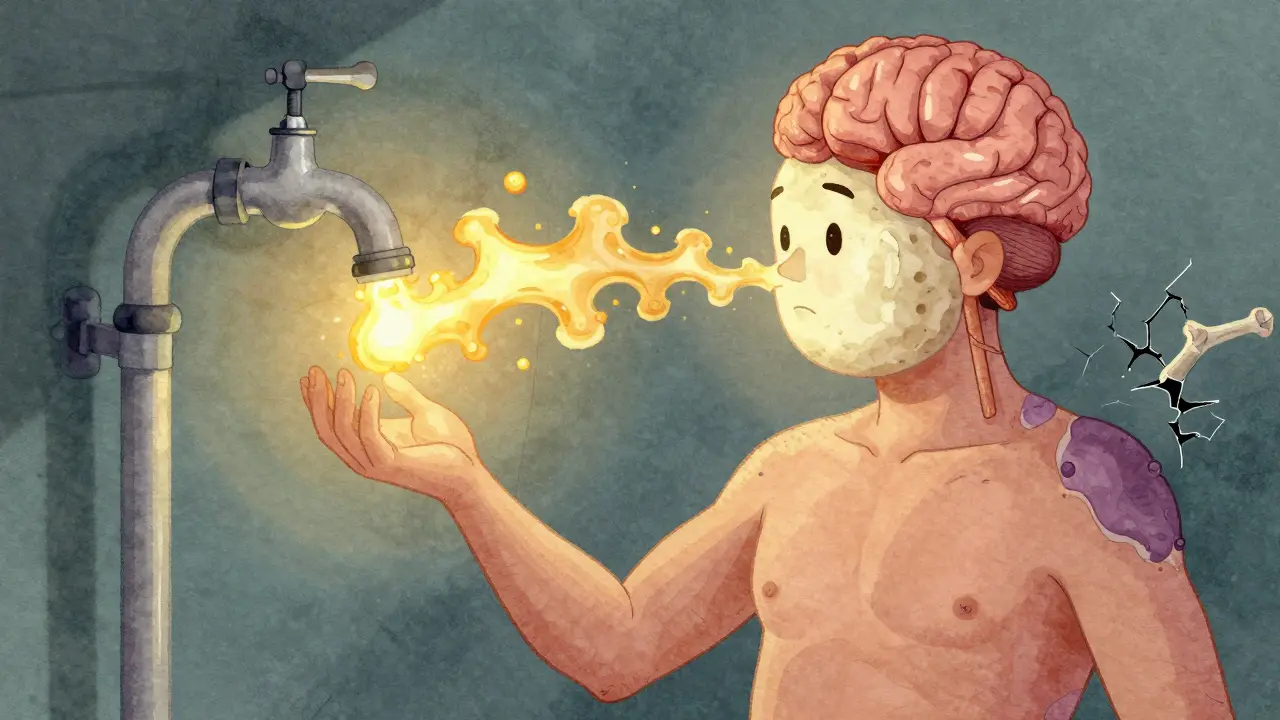
Cushing's syndrome is caused by excess cortisol and can lead to serious health problems. Surgery to remove the tumor is the most effective cure, with high success rates when done at specialized centers.
- 13 Comments
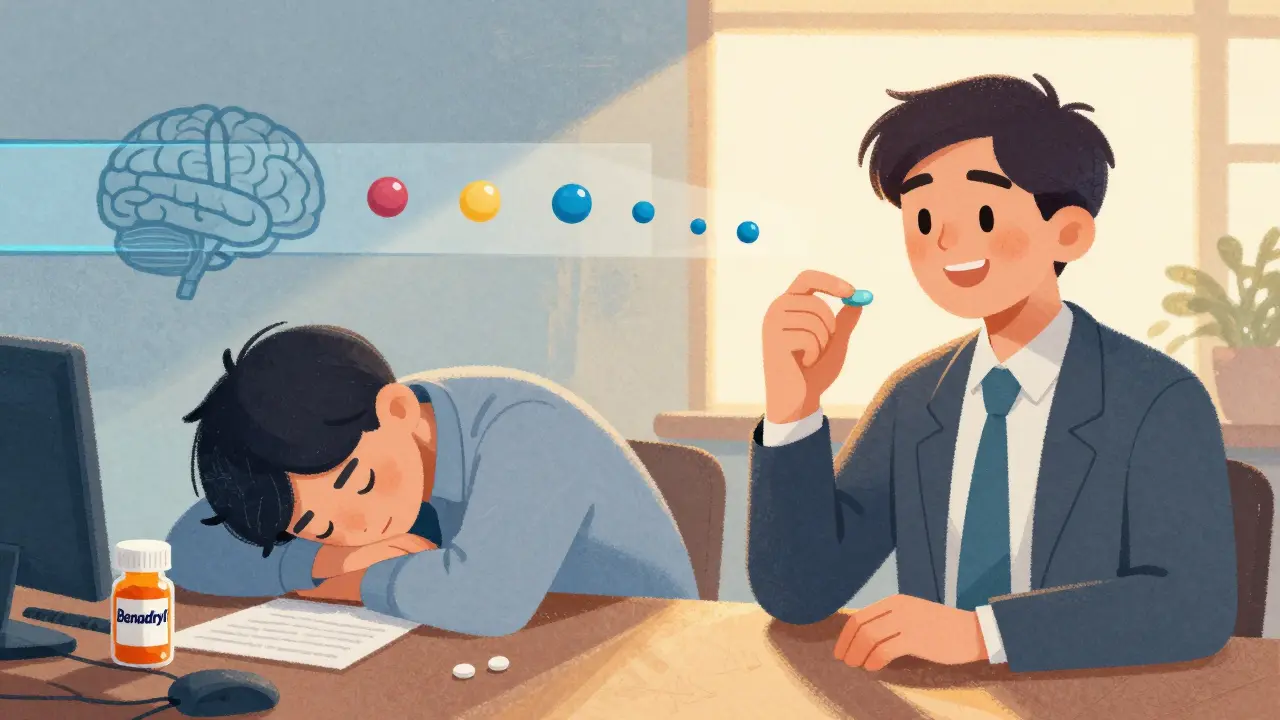
Learn the key differences between first- and second-generation antihistamines-how they work, their side effects, effectiveness, cost, and when to use each. Make smarter choices for allergy relief.

- 13 Comments
Choose the right OTC antihistamine for your allergies with clear comparisons of Zyrtec, Claritin, and Allegra-plus dosing tips, side effects, and what really works based on real data and user experiences.
- 15 Comments
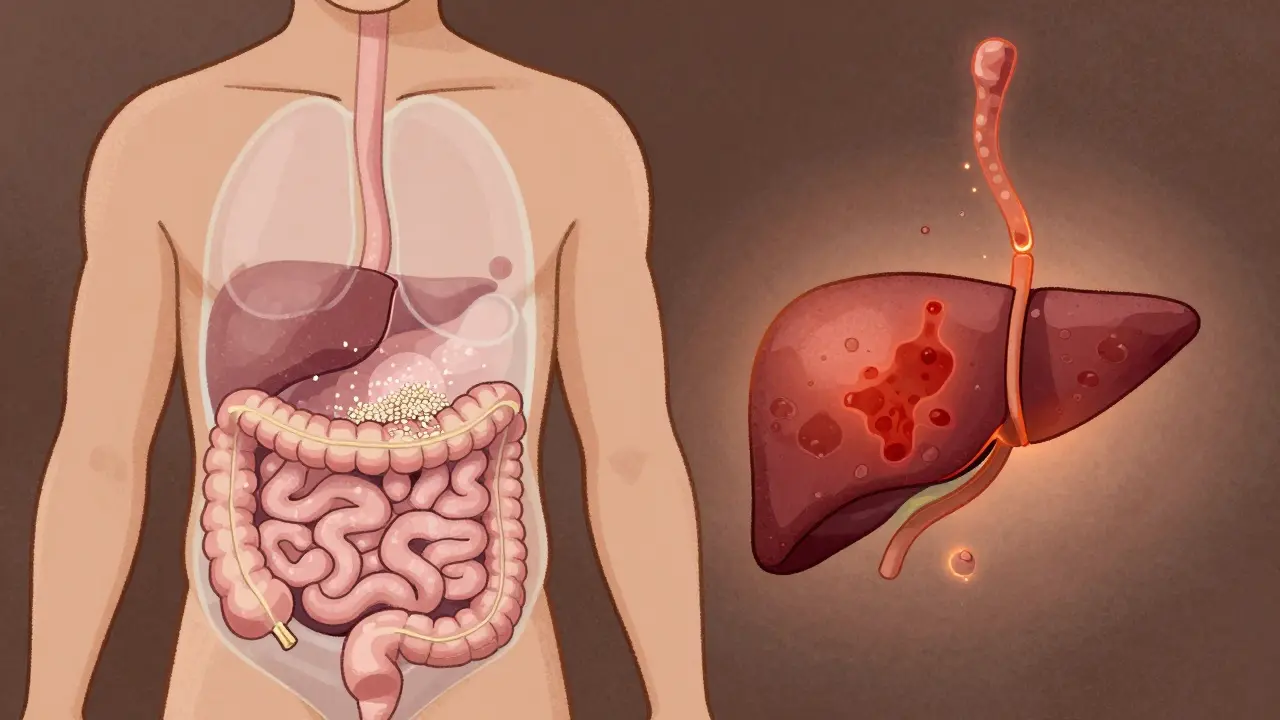
Celiac disease can cause liver enzyme abnormalities in up to 40% of untreated patients. The good news? Most cases reverse with a strict gluten-free diet. Learn how the two are linked and what to do next.
- 10 Comments
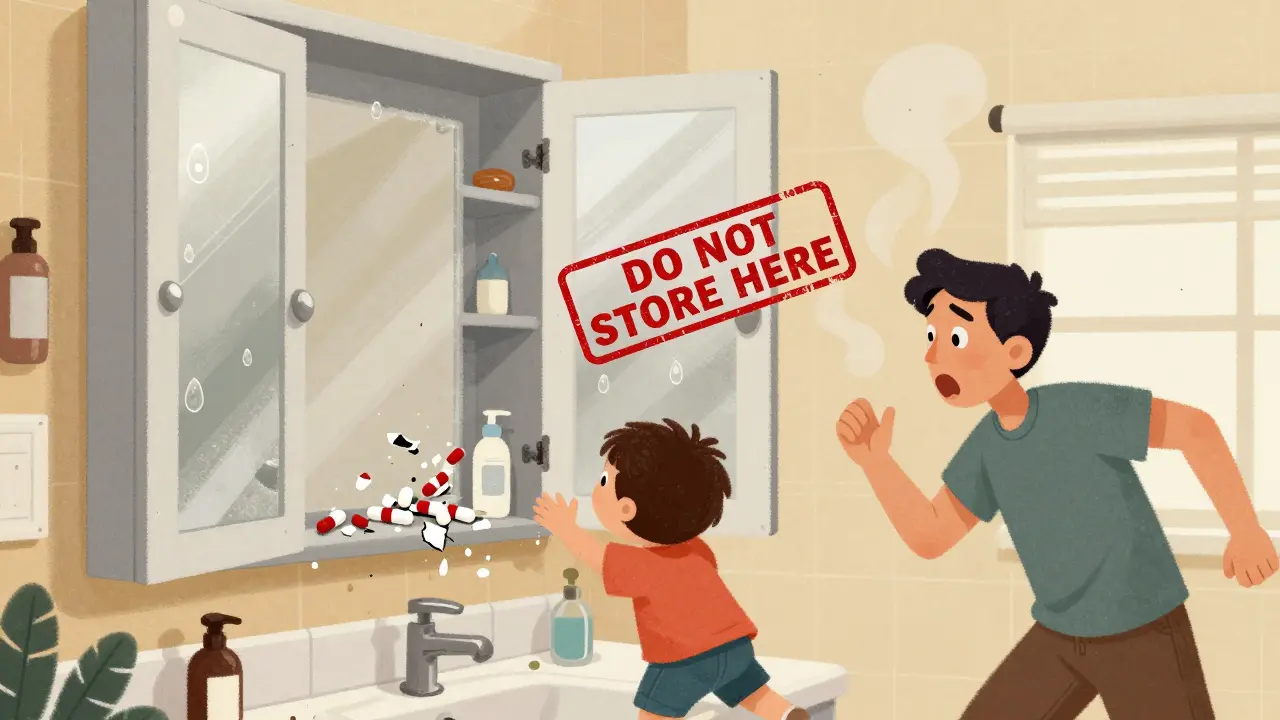
Learn how to build a safe, childproof OTC medicine cabinet that prevents accidental poisoning, teen misuse, and expired drug risks. Step-by-step guide with storage tips, disposal methods, and emergency protocols.

- 13 Comments
Wilson’s disease is a rare genetic disorder causing toxic copper buildup in the liver and brain. With early diagnosis and lifelong chelation therapy, patients can live normally. Learn how copper accumulates, how treatments work, and why adherence saves lives.
- 10 Comments
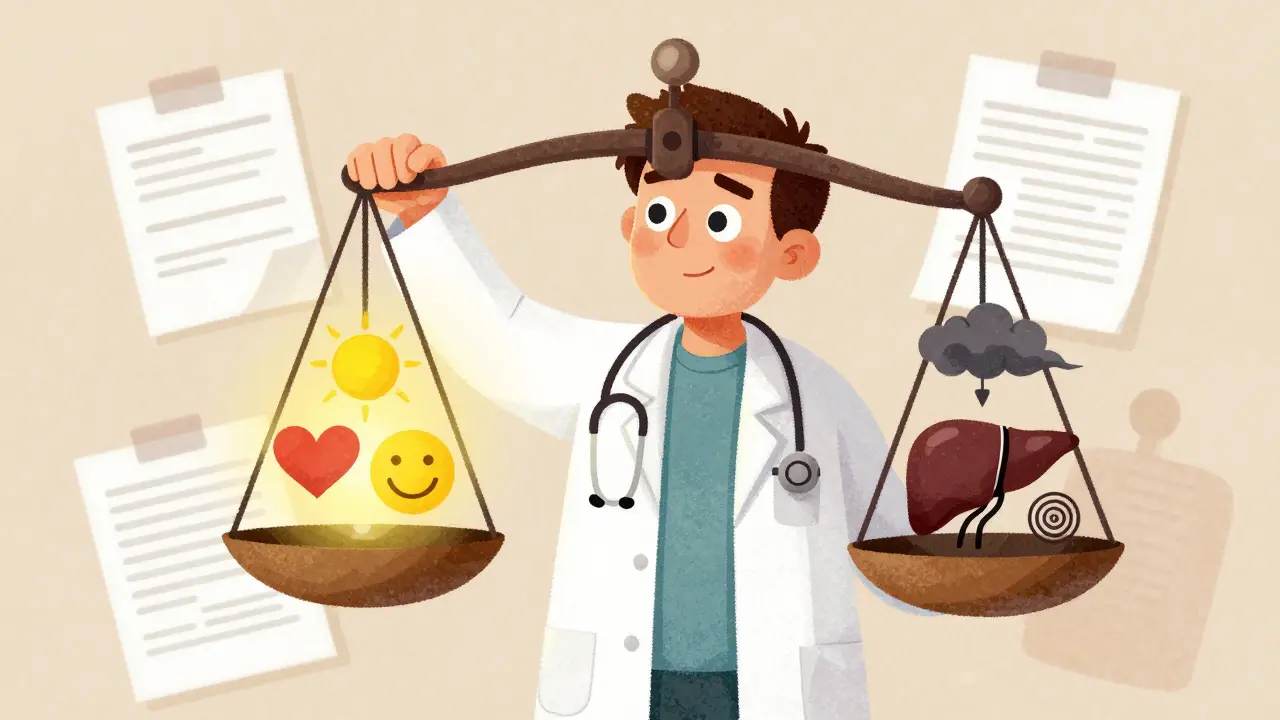
Healthcare providers weigh medication risks versus benefits to ensure treatments do more good than harm. This process, guided by FDA frameworks, considers disease severity, alternatives, patient values, and real-world data to make personalized prescribing decisions.
- 14 Comments
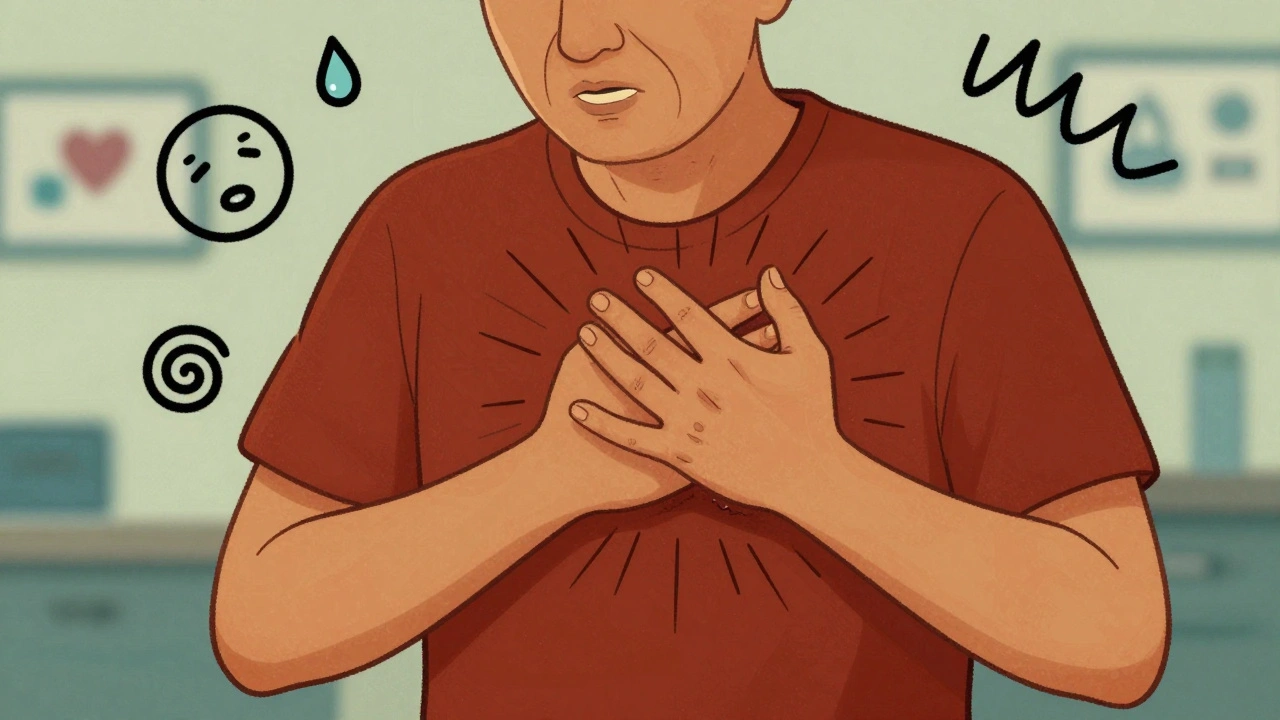
Chest pain can signal a heart attack-but not always. Learn the warning signs that demand an emergency room visit, what happens in the ER, and when it’s safe to wait. Your heart might thank you.

- 10 Comments
Learn which medications are safe to take during pregnancy for common issues like allergies, nausea, pain, and heartburn. Get clear, evidence-based guidance from trusted medical sources.
- 11 Comments
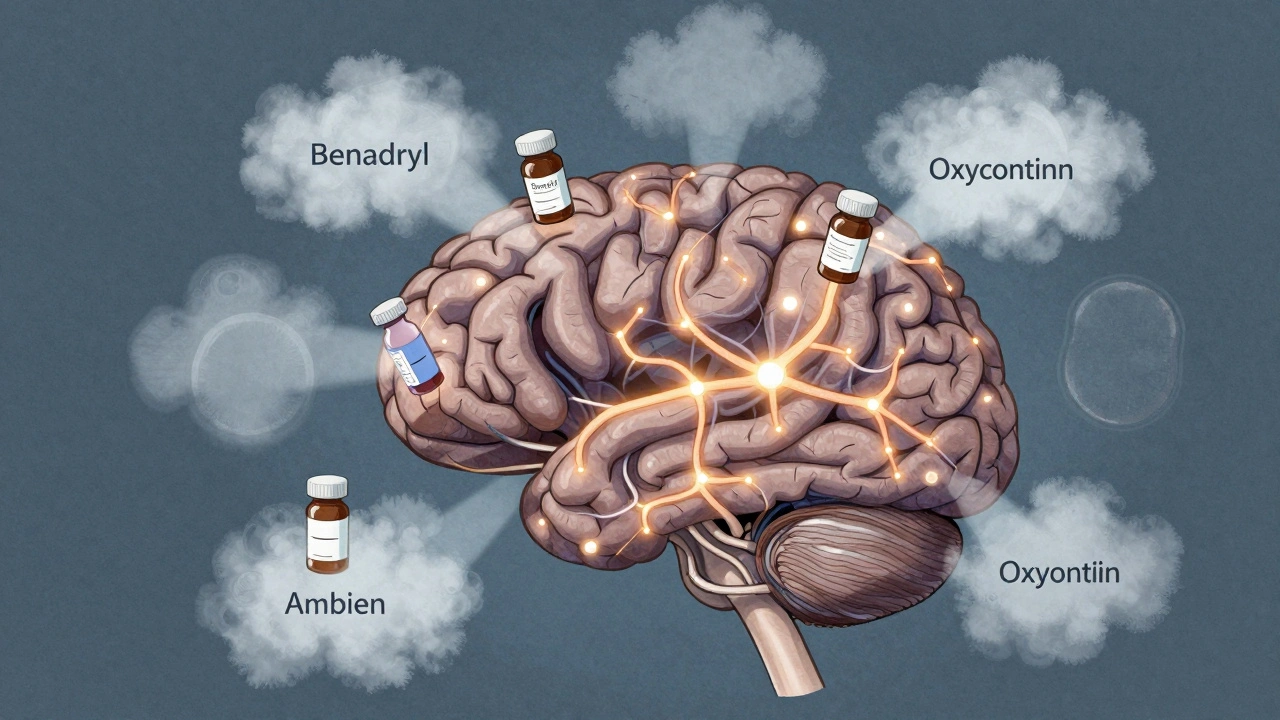
Many common medications cause brain fog and memory loss-not aging. Learn which drugs are to blame, how to recognize the signs, and how to safely reverse the effects with simple, proven steps.