
Root Cause Analysis in Medication Safety: Identify Why Errors Happen
When a patient has a bad reaction to a drug, or a pharmacy dispenses the wrong dose, it’s rarely just one mistake. Root cause analysis, a systematic method to find the underlying reasons behind errors. Also known as RCA, it’s how pharmacies and hospitals stop the same mistake from happening again. It’s not about blaming someone—it’s about fixing the system. Think of it like checking why a car keeps stalling. Maybe the fuel filter is clogged, or the mechanic used the wrong part. Root cause analysis digs past the surface to find the real problem.
In healthcare, medication errors, mistakes in prescribing, dispensing, or taking drugs happen more often than you think. A 2023 study in the Journal of Patient Safety found that over 7 million medication errors occur in U.S. hospitals each year. Many are linked to poor labeling, rushed workflows, or lack of double-checks. Adverse drug reactions, harmful side effects from medications often trace back to these systemic issues. For example, a patient gets the wrong statin because the pill bottle looked similar to another. RCA doesn’t just ask, "Who picked the wrong bottle?" It asks, "Why were the bottles so similar? Why wasn’t there a barcode scan? Why wasn’t the pharmacist alerted?"
At compounding pharmacies, where custom meds are made from scratch, root cause analysis is even more critical. A single wrong ingredient can turn a life-saving dose into a dangerous one. That’s why facilities track every batch, test every container, and log every step. When something goes wrong, they don’t just throw out the batch—they rebuild the whole process. The same logic applies to hospitals, nursing homes, and even home use. The pharmacy safety, practices and systems designed to prevent medication harm you rely on today were built from past mistakes—analyzed, fixed, and improved.
What you’ll find in this collection aren’t theory papers or academic jargon. These are real stories: a senior given the wrong statin because of a mislabeled bottle, a child reacting badly because a supplement interacted with their prescription, a TIA misdiagnosed because the wrong drug was dispensed. Each post breaks down what went wrong, how it was found, and how it was fixed. You’ll see how root cause analysis turns near-misses into lessons, and how small changes—like better labeling, clearer instructions, or a second pharmacist check—can save lives.
- 10 Comments
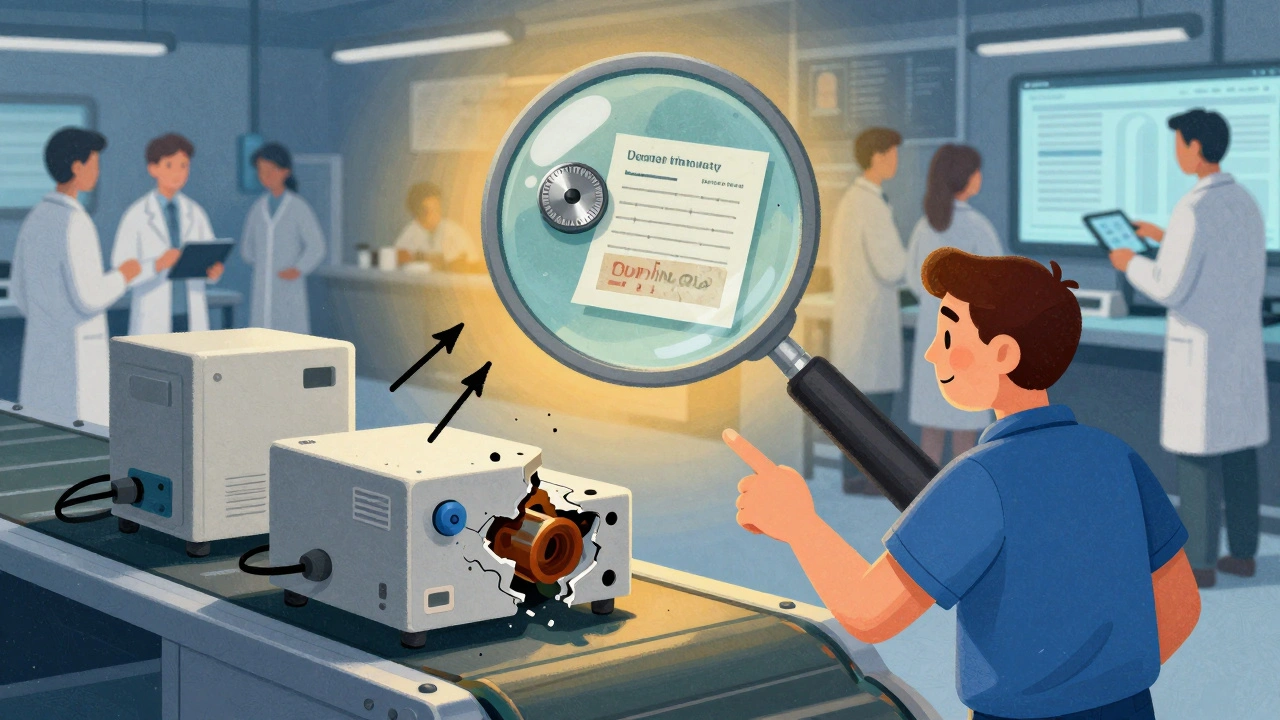
Corrective actions in manufacturing go beyond fixing defects-they eliminate root causes to prevent recurrence. Learn how structured CAPA systems, rooted in FDA and ISO standards, reduce defects, cut costs, and ensure compliance.