
Desensitization Therapy: What It Is and How It Helps with Allergies and Sensitivities
When your body overreacts to something harmless—like pollen, peanuts, or even penicillin—that’s when desensitization therapy, a medical process that gradually reduces the immune system’s overreaction to specific triggers. Also known as allergy immunotherapy, it’s not about avoiding triggers forever. It’s about retraining your body so those triggers stop causing trouble. This isn’t just for seasonal allergies. It’s used for insect stings, certain food allergies, and even some drug sensitivities where no other safe option exists.
How does it work? You’re given tiny, controlled doses of the thing you’re allergic to—over weeks, months, or even years. Your immune system learns, slowly, that this substance isn’t a threat. It’s like teaching your body to stop sounding the alarm when there’s no fire. The process is backed by decades of research and is one of the few treatments that can actually change how your body responds long-term, not just mask symptoms. It’s different from antihistamines or epinephrine, which only handle reactions after they happen. Desensitization therapy tries to stop the reaction before it starts.
It’s not for everyone. People with severe, life-threatening reactions often need to stick with avoidance and emergency meds. But for those who can’t avoid their triggers—like a nurse allergic to latex or a child with peanut sensitivity—this therapy can be life-changing. It’s also used in hospitals for patients who need a critical drug they’re allergic to, like certain antibiotics. In those cases, a medical team will run a controlled drug desensitization, a rapid, supervised process to allow safe use of a needed medication despite prior allergy. The goal isn’t to cure the allergy, but to make it manageable.
What you’ll find in the posts below isn’t just theory. It’s real-world insight from people dealing with drug reactions, food sensitivities, and immune system quirks. You’ll see how Type A and Type B adverse drug reactions, two categories of how medications can cause harm—one predictable, the other rare and dangerous relate to why desensitization is sometimes the only path forward. You’ll read about how NSAID sensitivity, a reaction where common painkillers trigger asthma or other serious symptoms can be managed, and how even something as simple as a compounded medication, a custom-made drug form not available in standard pharmacies can play a role in safe treatment. These aren’t abstract ideas—they’re tools people use every day to live better with their allergies and sensitivities.
Whether you’re managing a food allergy, reacting to a medication, or just wondering if there’s another way beyond avoiding everything, the posts here give you the facts without the fluff. You’ll learn what actually works, what the risks are, and where the science stands today.
- 14 Comments
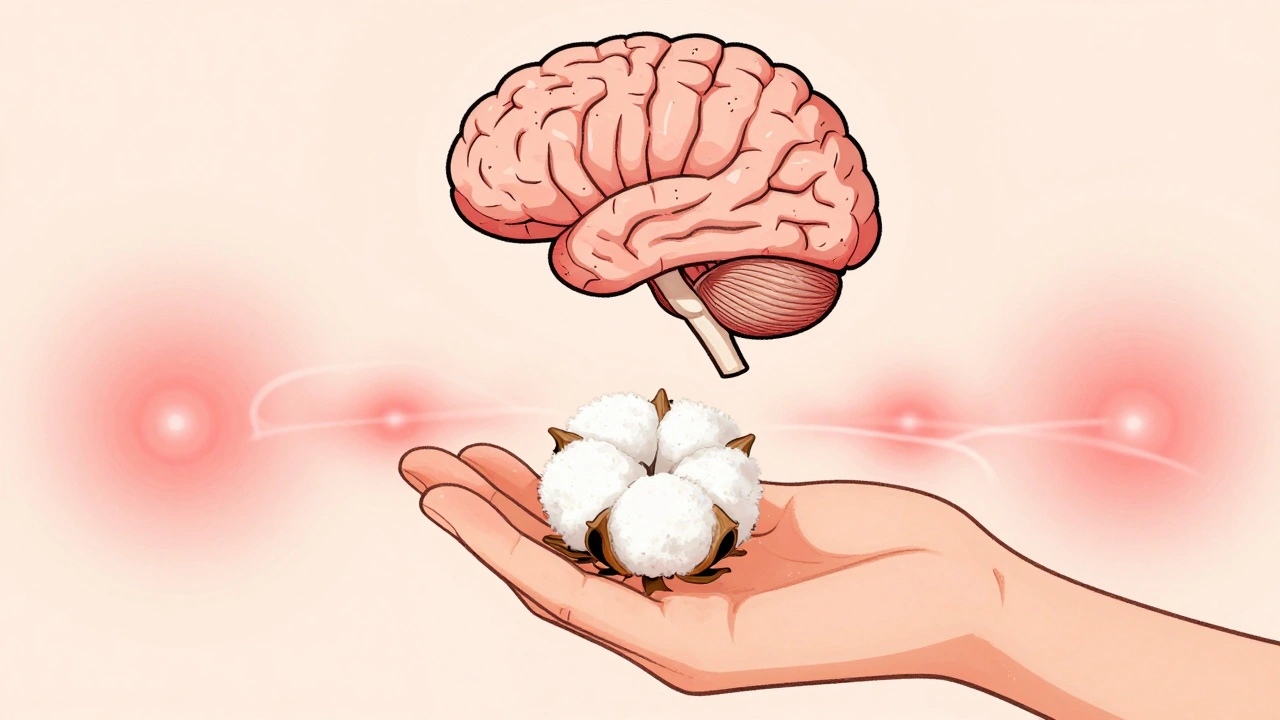
CRPS rehabilitation using desensitization and Graded Motor Imagery reprograms the brain to reduce chronic pain. Evidence shows these non-drug methods restore normal brain function and improve function in 50-70% of patients when started early.