
CGMP Explained: What It Means for Your Medications and Why It Matters
When you take a pill, injectable, or compounded medicine, you trust it’s safe and works as it should. That trust comes from CGMP, Current Good Manufacturing Practices, the set of rules that ensure pharmaceuticals are consistently produced and controlled to meet quality standards. Also known as cGMP, these aren’t suggestions—they’re enforced by the FDA and required for every drug sold in the U.S. If a company skips CGMP, your medicine could be too weak, too strong, or even contaminated with harmful substances. That’s not hypothetical—it’s happened. In 2012, a compounding pharmacy in Massachusetts shipped contaminated steroids linked to a deadly fungal meningitis outbreak. The investigation found they weren’t following basic CGMP rules. That’s why these standards exist: to stop preventable harm.
CGMP covers everything from the raw materials used to make your drug, to how clean the factory is, to how workers are trained. It’s not just about big drugmakers. pharmacy compounding, the process of custom-mixing medications for individual patients when standard drugs don’t work, must also follow CGMP. Whether it’s a child who can’t swallow pills and needs a flavored liquid, or someone allergic to a dye in a commercial tablet, compounded meds rely on strict controls to be safe. And if you’re taking a generic drug, a cheaper version of a brand-name medicine that must prove it works the same way, CGMP is what makes sure it’s just as reliable. The FDA doesn’t test every batch of generics—but they do audit the facilities where they’re made, and CGMP is the checklist they use.
CGMP isn’t just about the product—it’s about the process. Every step, from mixing ingredients to sealing bottles, must be documented. Equipment must be cleaned and calibrated. Workers must wear proper gear. Even the air in the room matters. That’s why you’ll see posts here about generic drug stability, ANDA approval, and bioequivalence testing. Those are all parts of the bigger CGMP system. If a generic drug fails stability testing, it’s not just a paperwork issue—it’s a CGMP violation. If a compounding pharmacy skips environmental monitoring, it’s breaking CGMP. And if you’re wondering why some online pharmacies are dangerous, it’s often because they don’t follow CGMP at all.
What you’ll find in this collection isn’t theory. These are real stories about how CGMP protects you: from the lab tests that prove a generic works, to the warnings that stop unsafe products from reaching shelves, to the mistakes that put patients at risk. You’ll learn how to spot if a pharmacy is following the rules, why your insurance might push for generics, and how the FDA tracks problems before they become crises. This isn’t about bureaucracy. It’s about making sure the next pill you take won’t hurt you—and that it actually does what it’s supposed to.
- 11 Comments
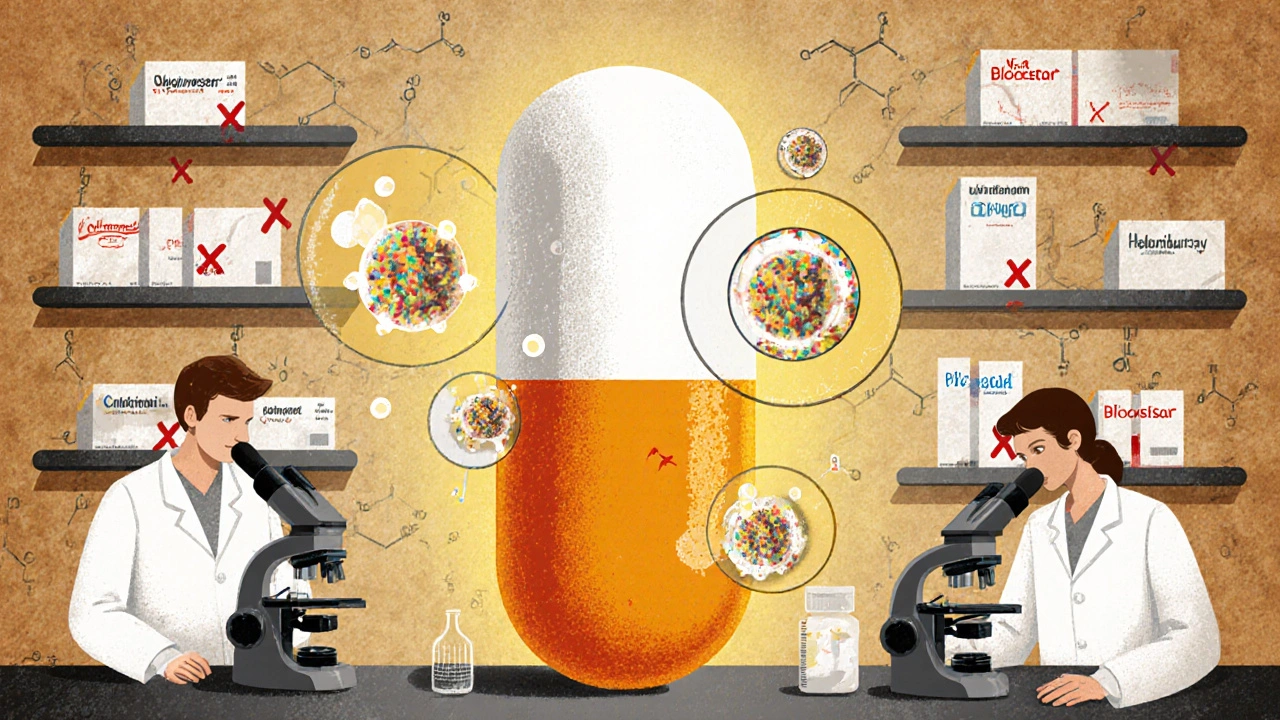
Generic drugs save billions in healthcare costs and make up 90% of U.S. prescriptions. Learn how they're made, from reverse-engineering brand-name pills to FDA-approved manufacturing under strict quality controls.