
CAPA: Understanding Corrective and Preventive Actions in Pharmacy and Drug Safety
When something goes wrong in a pharmacy or drug manufacturing plant, it’s not enough to just fix the mistake—you have to make sure it never happens again. That’s where CAPA, Corrective and Preventive Actions. Also known as corrective and preventive action, it’s a formal system used by pharmacies, manufacturers, and regulators to track, fix, and prevent errors in medication production and handling. Without CAPA, a simple mislabeling, a contaminated batch, or a dosing error could become a recurring problem—putting patients at risk. It’s not just paperwork; it’s the backbone of drug safety in the U.S. healthcare system.
CAPA is closely tied to FDA compliance, the set of rules pharmaceutical companies must follow to get and keep approval for their drugs. When the FDA inspects a facility and finds a problem—like a broken sterilization process or staff not following cleaning protocols—they don’t just issue a warning. They require a CAPA plan. This plan must show exactly what went wrong, how it was fixed, and how the company will stop it from happening again. It’s the same system used in compounding pharmacies, where custom medications are made for individual patients. A single mistake there can affect just one person, but if the root cause isn’t fixed, it could affect dozens.
It’s also linked to pharmaceutical quality, the overall standard of safety, purity, and effectiveness of medications. Think of it like this: if a generic drug manufacturer finds that one batch of pills doesn’t dissolve properly in the body, they don’t just toss that batch. They dig into why—was it a faulty machine? Poor training? Wrong ingredient supplier? Then they fix the system. That’s CAPA in action. And it’s why you can trust that a generic pill from a U.S. pharmacy works the same as the brand name. The same logic applies to drug recalls, contamination alerts, and even errors in how medications are dispensed at your local pharmacy. CAPA turns reactive fixes into proactive protection.
What you’ll find in the posts below are real-world examples of how CAPA principles show up in everyday medication safety. From how the FDA handles generic drug approvals to why you should never skip a full course of antibiotics, these articles all tie back to one thing: systems that prevent harm before it happens. You’ll see how CAPA shows up in stability testing, medication disposal, pediatric dosing, and even how online pharmacies protect your data. It’s not a buzzword—it’s the quiet, essential process keeping millions of prescriptions safe every day.
- 10 Comments
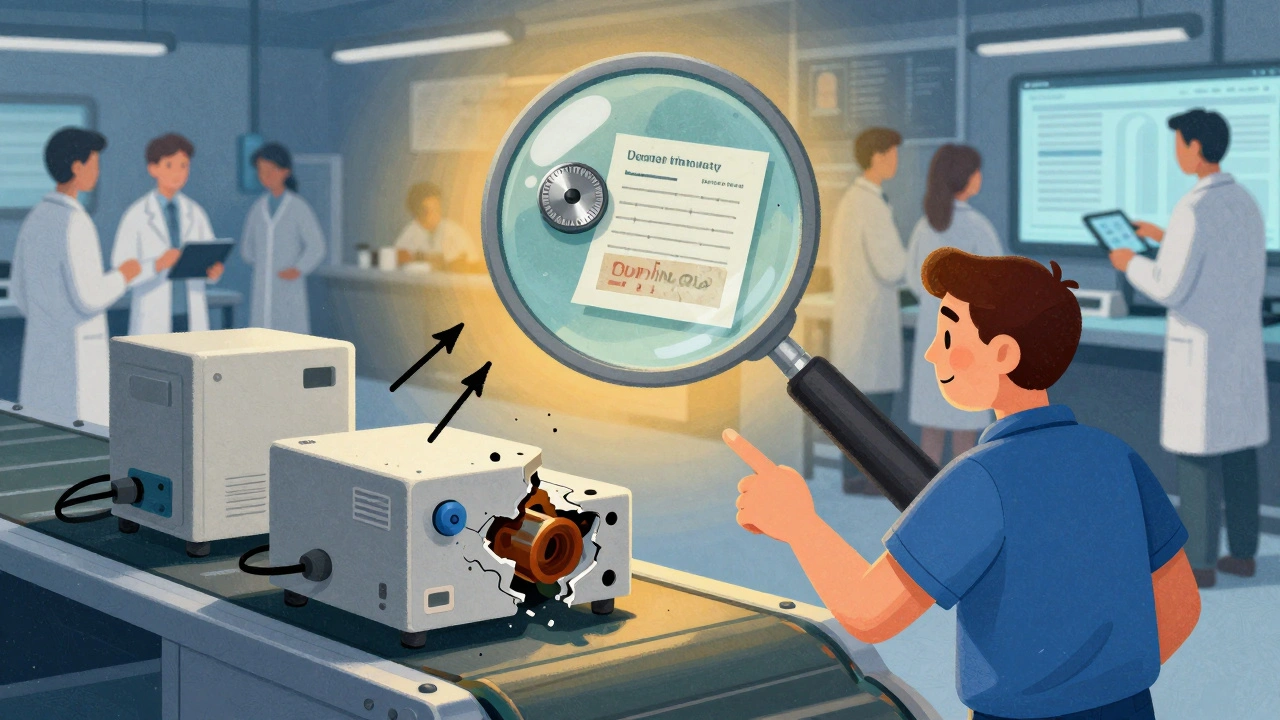
Corrective actions in manufacturing go beyond fixing defects-they eliminate root causes to prevent recurrence. Learn how structured CAPA systems, rooted in FDA and ISO standards, reduce defects, cut costs, and ensure compliance.