
ADR Classification: Understanding Adverse Drug Reactions and How They’re Categorized
When a medicine causes harm instead of helping, that’s an adverse drug reaction, an unintended and harmful response to a medication taken at normal doses. Also known as ADR, it’s not a mistake—it’s a known risk built into how drugs interact with your body. Every year, millions of people experience ADRs, from mild rashes to life-threatening organ damage. The good news? Doctors and regulators don’t just guess what’s dangerous—they classify these reactions to spot patterns, predict risks, and keep you safer.
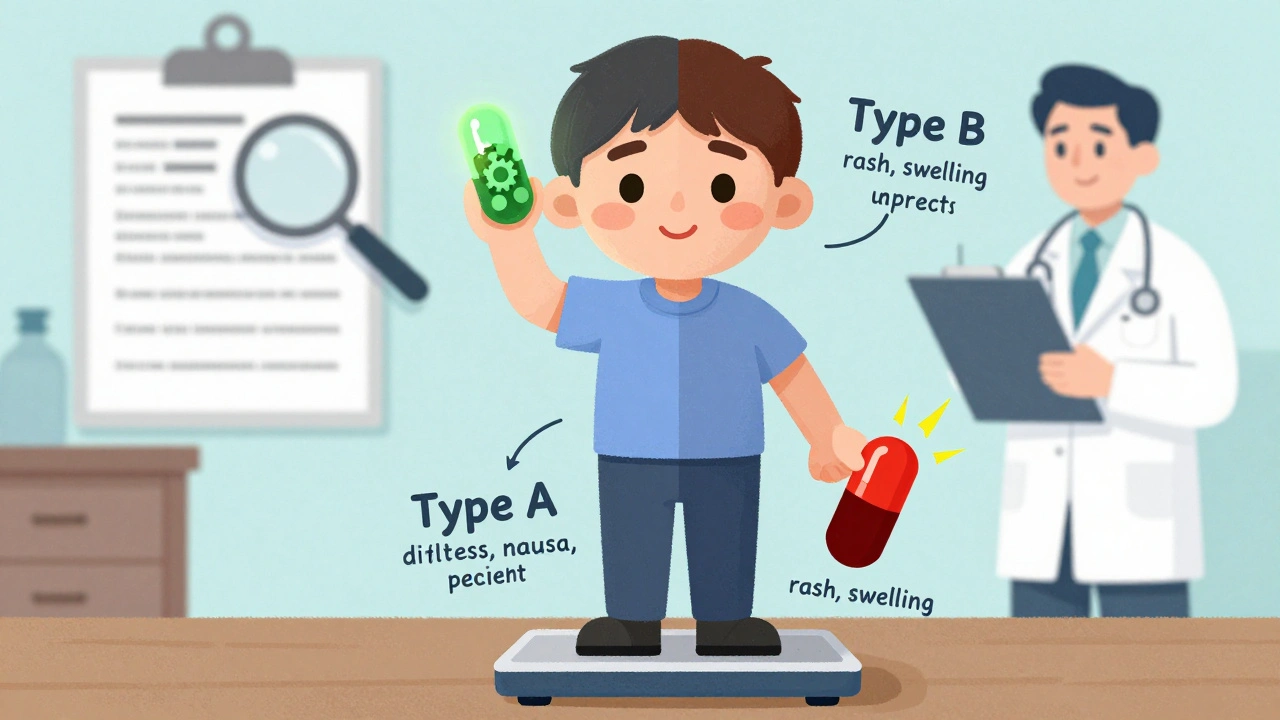
Not all ADRs are the same. Some are type A reactions, predictable side effects tied to a drug’s known pharmacology, like stomach upset from NSAIDs or dizziness from blood pressure pills. These are common and often dose-dependent. Then there are type B reactions, unpredictable, rare events that aren’t tied to the drug’s main action—like anaphylaxis from penicillin or liver failure from certain antibiotics. These are scary because they can’t be easily avoided just by lowering the dose. And then there’s pharmacovigilance, the science of monitoring drug safety after they hit the market, which tracks these reactions across thousands of patients to catch hidden dangers early.
Why does this matter to you? Because your pills don’t exist in a vacuum. If you’re on a statin, an antidepressant, or even a simple painkiller, your body’s reaction could be influenced by age, other meds, genetics, or even what you eat. The posts below dive into real cases: how tyramine in aged cheese can spike blood pressure with MAOIs, why certain decongestants can lock up your bladder if you have an enlarged prostate, and how herbal supplements like St. John’s wort can quietly cancel out your antidepressants. You’ll also see how generic drugs—despite being cheaper—are held to the same safety standards, and how the FDA tracks side effects through alerts you can sign up for.
What you’ll find here isn’t theory. It’s the kind of info you need when you’re wondering if that new rash is just a coincidence—or a warning sign. Whether you’re managing chronic pain, taking heart meds, or just trying to keep your family’s medicine cabinet safe, understanding ADR classification helps you ask the right questions before you swallow another pill.
- 14 Comments
Learn the key differences between Type A and Type B adverse drug reactions - why some side effects are common and predictable, while others are rare but dangerous. Understand how to recognize, prevent, and report them.