
Shunt Surgery: What It Is, When It's Needed, and What to Expect
When the brain can't properly drain cerebrospinal fluid, a clear liquid that cushions the brain and spinal cord. Also known as CSF, it builds up and causes pressure—this is called hydrocephalus, a condition where excess fluid accumulates in the brain's ventricles. Shunt surgery, a neurosurgical procedure that redirects this fluid to another part of the body. is the most common treatment. It’s not a cure, but it’s often life-changing—especially for kids born with it or adults who develop it after injury or infection.
Shunt systems usually include a flexible tube (catheter) and a valve that controls the flow. The fluid gets moved from the brain to the abdomen, heart, or sometimes the space around the lungs. This isn’t experimental—it’s been used for over 60 years, and modern shunts are far more reliable than older versions. Still, they can fail. Infections, blockages, or over-drainage are real risks. That’s why follow-up care matters. People with shunts need to watch for headaches, nausea, vision changes, or sudden confusion. These aren’t normal after recovery—they’re warning signs.
Shunt surgery isn’t just for babies. Adults get it too—after a brain bleed, tumor, or meningitis. It’s also used in rare conditions like normal pressure hydrocephalus, which mimics dementia. That’s why doctors don’t rush into it. They check with CT scans, MRIs, and sometimes a spinal tap first. If the fluid drainage improves symptoms, a shunt might be the next step. Recovery takes weeks, not days. Most people go home in a few days, but full healing takes time. You can’t lift heavy stuff or bend over too far right away. And yes, you’ll need to carry a medical ID card. Shunts aren’t invisible—they’re permanent devices that require awareness.
What you’ll find in these posts isn’t just technical jargon. You’ll see real stories from people who’ve lived with shunts, guides on spotting complications before they turn serious, and clear breakdowns of how shunts compare to other treatments like endoscopic third ventriculostomy. There’s also info on managing daily life with a shunt—what meds to avoid, how to talk to your doctor about adjustments, and why some people need multiple revisions over time. This isn’t theory. It’s what works, what doesn’t, and what patients wish they’d known sooner.
- 10 Comments
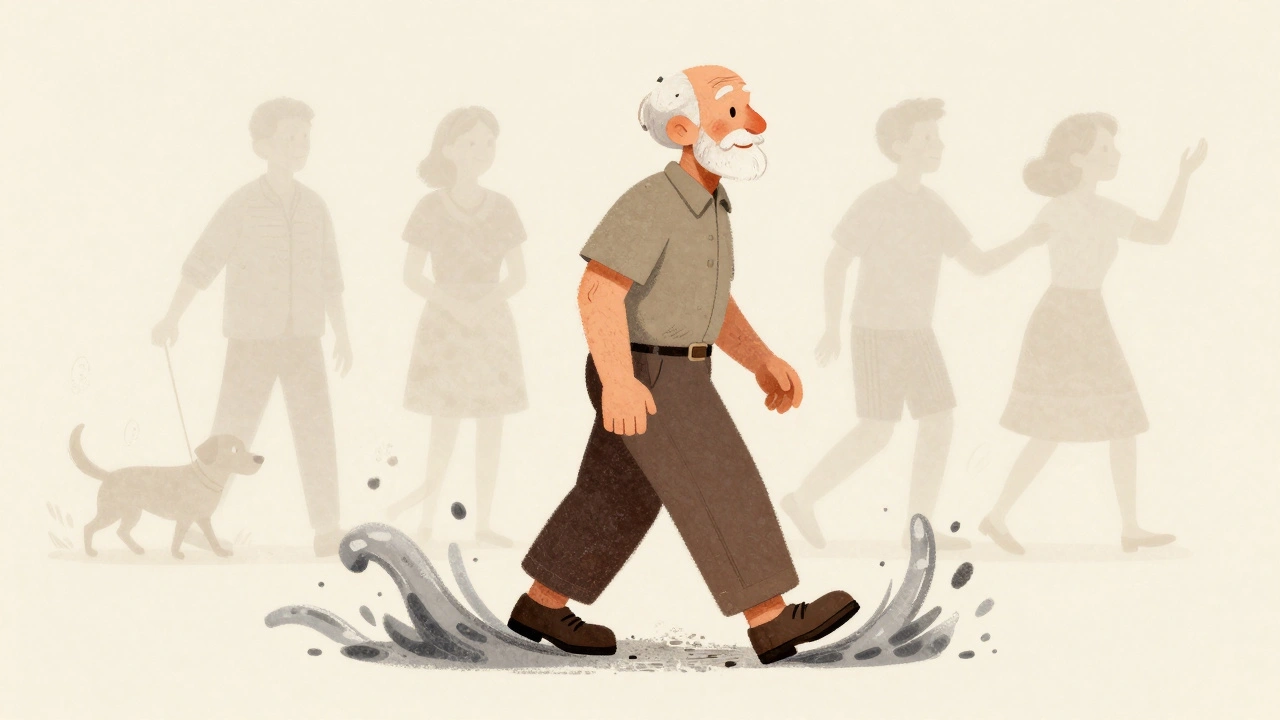
Normal pressure hydrocephalus causes gait problems, memory issues, and bladder control loss-but it’s often mistaken for aging or dementia. Learn how shunt surgery can reverse symptoms and why early diagnosis matters.