
Pravastatin: What It Is, How It Works, and What You Need to Know
When your doctor prescribes pravastatin, a cholesterol-lowering medication in the statin class used to reduce the risk of heart attack and stroke. Also known as Pravachol, it works by blocking an enzyme your liver needs to make cholesterol, which helps pull LDL — the "bad" cholesterol — out of your bloodstream. Unlike some other statins, pravastatin is less likely to interact with other drugs because it’s processed differently in the body. That makes it a common choice for people taking multiple medications, especially older adults or those with kidney issues.
Pravastatin doesn’t just lower cholesterol — it helps stabilize plaque in your arteries, which reduces the chance of a clot forming and causing a heart attack or stroke. It’s often prescribed when lifestyle changes alone aren’t enough, and it’s one of the few statins approved for use in children with inherited high cholesterol. You’ll typically take it once a day, at night, because that’s when your liver makes the most cholesterol. But don’t expect quick results: it can take 4 to 6 weeks to see your full cholesterol drop. Most people tolerate it well, but muscle pain or weakness can happen — if you feel unexplained soreness, especially with fever or dark urine, call your doctor right away.
Pravastatin is part of a larger group called statin drugs, a class of medications used to manage high cholesterol and prevent cardiovascular disease. Other common statins include atorvastatin (Lipitor), rosuvastatin (Crestor), and simvastatin (Zocor). Each has slightly different strengths, side effect profiles, and how they’re broken down in the body. Pravastatin is often chosen for its gentler side effect profile, especially if you’ve had issues with other statins. It’s also available as a low-cost generic, making it one of the most affordable options on the market.
People on pravastatin often wonder how it compares to other treatments. Unlike ezetimibe or PCSK9 inhibitors, which work in different ways, pravastatin targets cholesterol production at the source. It’s not a miracle drug — you still need to eat well, move regularly, and avoid smoking. But when used right, it’s one of the most proven tools we have to lower long-term heart risk. The FDA has approved it for use in adults and children as young as 8, and studies show it cuts heart attack risk by about 25% in high-risk groups.
Many of the posts below cover related topics like how generic drugs are made, what stability testing means for medications like pravastatin, and how insurance prior authorization affects access to these drugs. You’ll also find info on how statins interact with other medications, including herbal supplements like St. John’s wort, and how to spot early warning signs of side effects. Whether you’re just starting pravastatin or have been on it for years, the articles here give you real, practical knowledge — not just marketing hype.
- 15 Comments
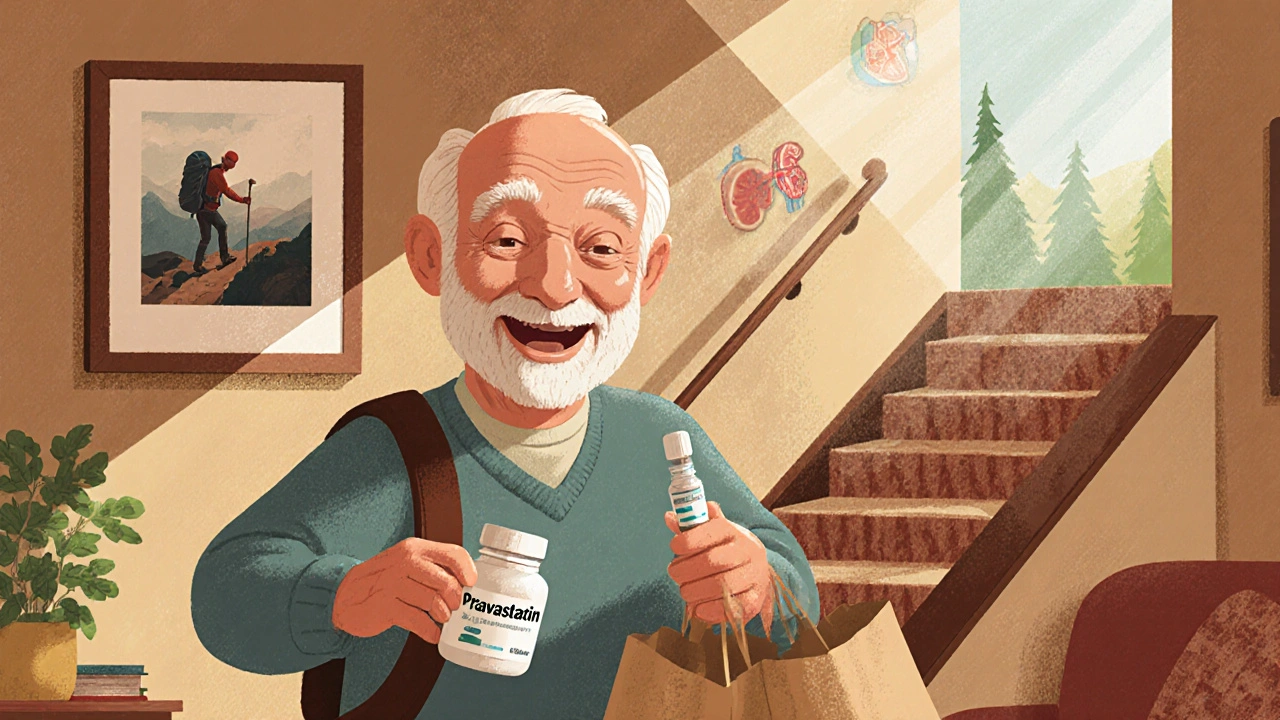
Pravastatin offers a safer cholesterol-lowering option for older adults with fewer muscle side effects and drug interactions than other statins. Learn why it's often the preferred choice for seniors, its effectiveness, risks, and how to monitor for side effects.