
NPH Diagnosis: Understanding Normal Pressure Hydrocephalus Symptoms and Testing
When someone over 60 starts having trouble walking, forgetting things, or losing control of their bladder, it’s easy to assume it’s just aging—or maybe Alzheimer’s or Parkinson’s. But there’s another condition hiding in plain sight: normal pressure hydrocephalus, a treatable brain condition caused by excess cerebrospinal fluid that builds up without increasing pressure. Also known as NPH, it affects about 1 in 10 people diagnosed with dementia, yet most go undiagnosed. Unlike those other diseases, NPH doesn’t have to be a life sentence. With the right NPH diagnosis, many patients see dramatic improvements—sometimes within days—after a simple procedure.
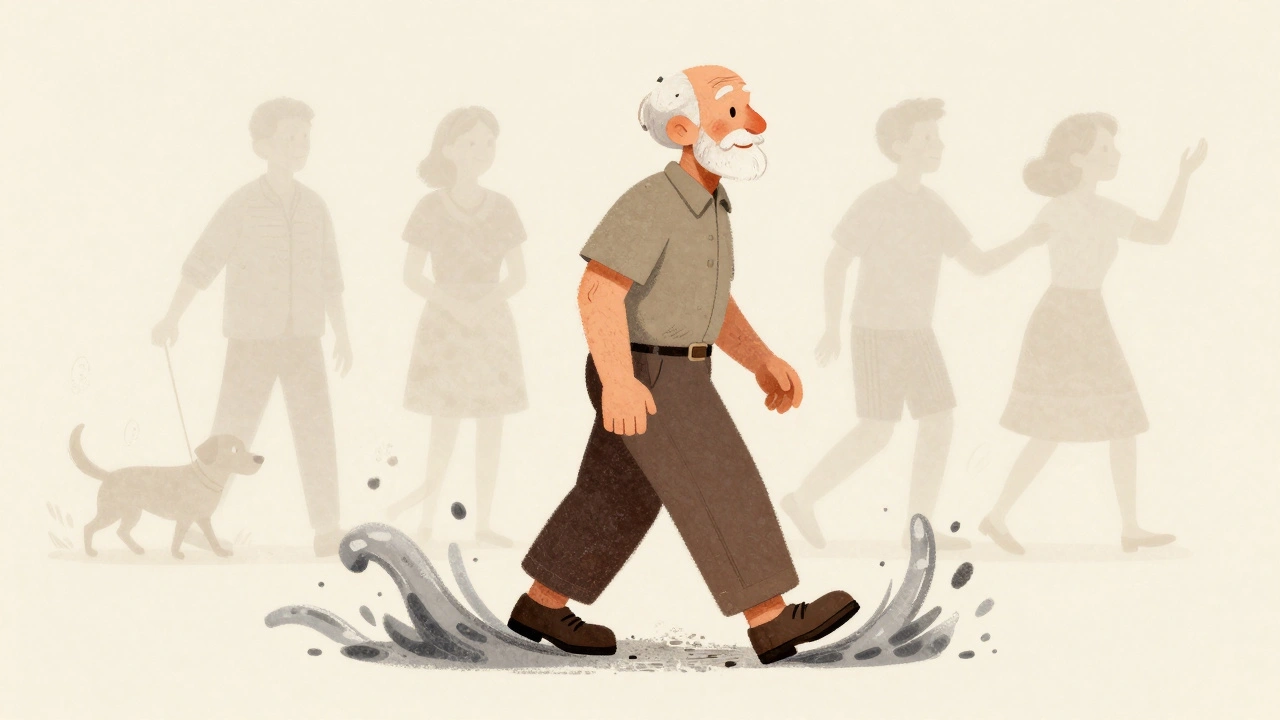
Doctors look for three classic signs: trouble walking (like your feet feel stuck to the floor), memory issues that seem like confusion, and urinary incontinence that shows up late. These aren’t random symptoms—they’re a pattern. If someone has all three, especially if they started gradually after age 60, it’s time to rule out NPH. The diagnosis isn’t just a scan. It’s a process: MRI or CT to see enlarged brain ventricles, a spinal tap to drain fluid and check if walking improves, and sometimes a lumbar infusion test to measure how the brain responds to fluid changes. It’s not always straightforward. Many doctors miss it because the pressure in the brain stays normal, which is why it’s called normal pressure hydrocephalus. But the fluid buildup is still crushing brain tissue, especially in areas that control movement and thinking.
What makes NPH different from other brain conditions is how quickly it can improve. If you’ve been told your memory loss is just part of getting older, or that your walking problems are due to arthritis, ask about NPH. It’s one of the few neurological conditions where a small surgery—placing a shunt to drain extra fluid—can turn someone from barely mobile to walking again, from forgetful to sharp. The key is catching it early. The longer NPH goes untreated, the less likely recovery becomes. That’s why knowing the signs matters. You won’t find it in a quick online quiz. You need a neurologist who’s seen it before, and tests that go beyond the usual dementia checklist.
Below, you’ll find real patient stories, doctor insights, and practical guides on how NPH diagnosis works in practice—what tests are used, how shunts are placed, what recovery looks like, and how to tell if symptoms are truly NPH or something else. These aren’t theory pieces. They’re based on what’s happening in clinics, pharmacies, and homes right now.
- 10 Comments
Normal pressure hydrocephalus causes gait problems, memory issues, and bladder control loss-but it’s often mistaken for aging or dementia. Learn how shunt surgery can reverse symptoms and why early diagnosis matters.