
Normal Pressure Hydrocephalus: Symptoms, Diagnosis, and Treatment Options
When older adults start stumbling, forgetting names, or losing control of their bladder, it’s easy to assume it’s just aging. But sometimes, it’s normal pressure hydrocephalus, a treatable condition where excess cerebrospinal fluid builds up in the brain’s ventricles without causing high pressure. Also known as NPH, it’s not dementia—it’s a neurological issue that mimics dementia, Parkinson’s, or just getting older. The key difference? Unlike Alzheimer’s, NPH can often be reversed—if caught early.
This condition shows up in three main ways: trouble walking (like your feet are stuck to the floor), confusion or memory lapses that get worse over time, and frequent urges to urinate or accidents. These are called the classic triad, the three hallmark signs used by doctors to suspect NPH. But here’s the catch: most doctors don’t test for it unless they’re specifically looking. That’s why so many people live for years with NPH, misdiagnosed as dementia or Parkinson’s. The good news? A simple shunt procedure can drain the extra fluid and restore function in many cases. It’s not a cure-all, but for those who qualify, it’s life-changing.
What makes NPH tricky is that it overlaps with so many other conditions. A lumbar puncture, a spinal tap that temporarily removes fluid to see if symptoms improve is often the first step in diagnosis. If walking or thinking gets better after the tap, it’s a strong sign the patient will respond to a shunt. Imaging like MRI or CT scans show enlarged ventricles, but that alone doesn’t confirm NPH—many healthy older adults have enlarged ventricles without symptoms. The real clue is the combination: gait trouble + cognitive decline + urinary issues, all starting slowly over months.
Shunt surgery isn’t risk-free—there’s a chance of infection, overdrainage, or the tube clogging—but for the right person, the benefits far outweigh the risks. Many patients go from needing a walker to walking unassisted within weeks. Memory improves. Bladder control returns. And suddenly, they’re back to doing things they thought they’d lost. The challenge isn’t the surgery—it’s getting tested in the first place. If you or a loved one has these three symptoms, ask your doctor about NPH. It’s not common, but it’s one of the few neurological conditions where early action can mean a full recovery.
Below, you’ll find real-world guides on medication safety, drug interactions, and neurological conditions that often get confused with NPH. From understanding how drugs affect brain function to spotting when a symptom isn’t just aging, these posts help you ask the right questions—and push for the right tests.
- 10 Comments
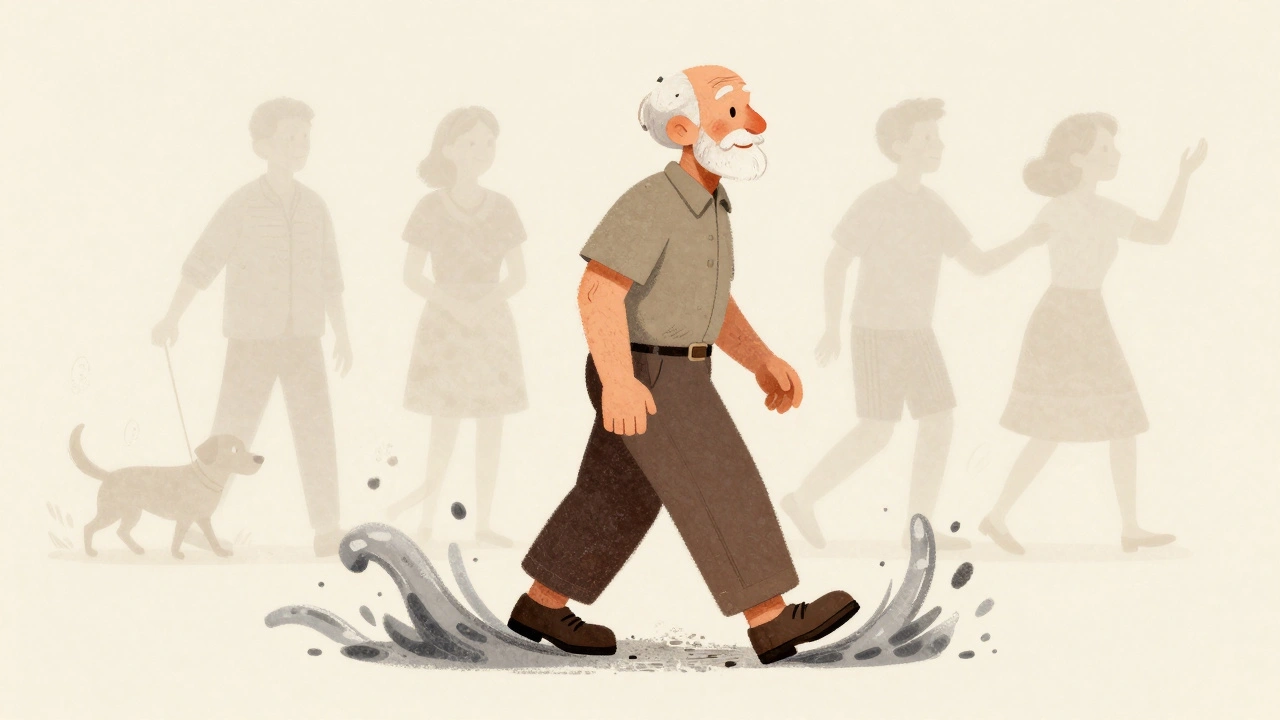
Normal pressure hydrocephalus causes gait problems, memory issues, and bladder control loss-but it’s often mistaken for aging or dementia. Learn how shunt surgery can reverse symptoms and why early diagnosis matters.