
MedWatch: Understanding Drug Safety Reports and FDA Alerts
When you take a prescription, you trust it’s safe—but what happens when a drug causes harm? That’s where MedWatch, the FDA’s official program for collecting and acting on reports of dangerous side effects from medications, medical devices, and dietary supplements. Also known as FDA MedWatch, it’s the frontline system that flags risky drugs before they hurt more people. This isn’t just paperwork—it’s how the FDA learns that a heart drug might cause liver damage, or that a common painkiller could trigger deadly asthma attacks in some patients.
MedWatch doesn’t just react—it shapes what’s on your pharmacy shelf. Every report submitted by doctors, pharmacists, or even patients gets reviewed. If enough people report the same serious reaction—like unexplained bleeding with a blood thinner or sudden confusion with an Alzheimer’s med—the FDA can issue a warning, update the label, or pull the drug entirely. You’ve probably seen these alerts: the black box warnings on antidepressants, the boxed notices on antibiotics, or the recall notices for contaminated pills. Those come from MedWatch. It’s also how the agency tracks rare reactions that only show up after thousands of people use a drug. Think of it as a national early-warning system built from real-world use, not just lab tests.
Related to MedWatch are adverse drug reactions, unintended and harmful effects from medications taken at normal doses, which are the core data source. Then there’s medication reporting, the process of submitting these reactions to the FDA, either online, by phone, or through your doctor. And let’s not forget drug alerts, official notices issued by the FDA to warn healthcare providers and the public about newly discovered risks. These aren’t theoretical—they’re tied directly to real cases you’ll find in posts about amiodarone’s lung damage, Dulcolax’s long-term risks, or how herbal supplements like St. John’s Wort can interfere with blood thinners. Every post here connects to a safety issue that MedWatch helps uncover.
Knowing how MedWatch works puts power in your hands. If your parent’s new blood pressure pill causes dizziness, if your teen’s acne med triggers mood swings, or if you notice unusual bruising after starting a new supplement—report it. You don’t need to be a doctor. You don’t need to prove it. Just tell the FDA. That report could be the one that saves someone else’s life. Below, you’ll find real stories and deep dives into the drugs that sparked these alerts, the side effects that got ignored, and the steps you can take to stay safe. This isn’t just information—it’s protection.
- 5 Comments
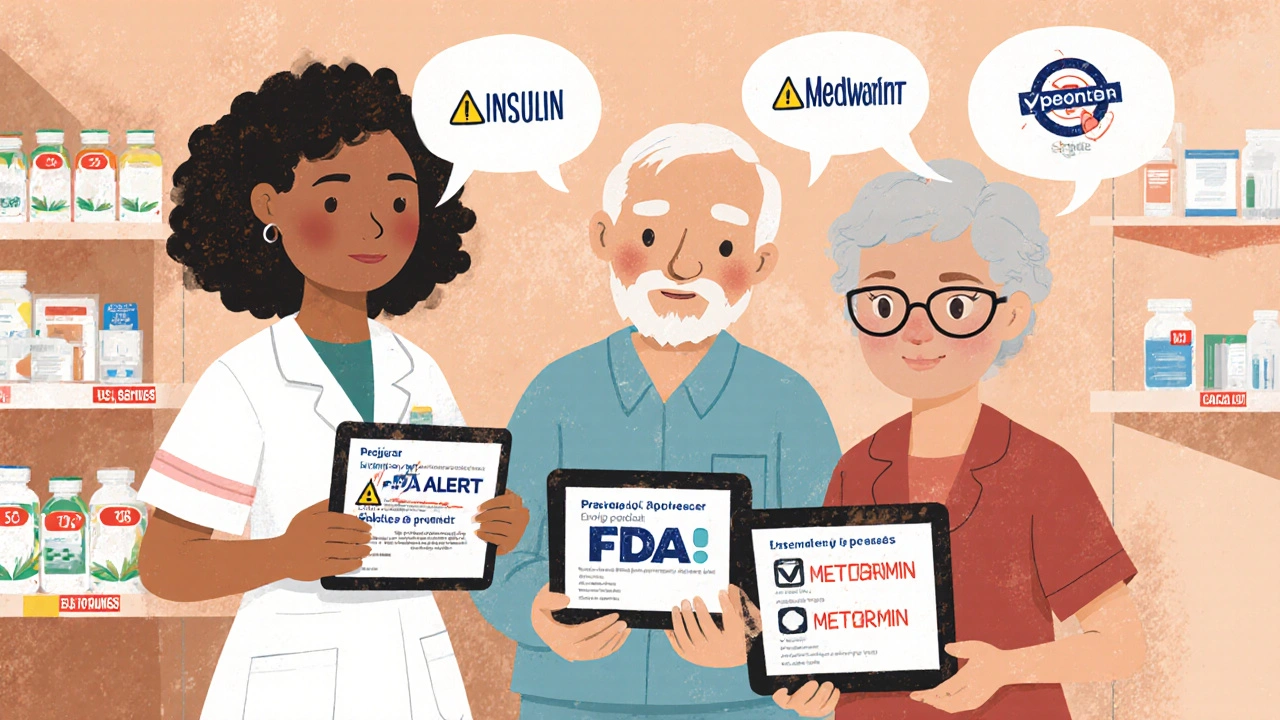
Learn how to subscribe to free FDA drug safety alerts for recalls, side effects, and medication warnings. Get timely updates on contaminated drugs, label changes, and recalls to protect your health.