
Breast Cancer Treatment: Options, Risks, and What Really Works
When it comes to breast cancer treatment, a personalized approach that combines surgery, drugs, and radiation based on tumor biology and patient health. Also known as oncologic therapy, it’s not one-size-fits-all—what works for one person may not be right for another. The goal isn’t just to kill cancer cells, but to do it in a way that preserves quality of life, minimizes long-term side effects, and gives you the best chance at staying well.
Most chemotherapy, drugs that target rapidly dividing cells, including cancer and some healthy ones is used when cancer has spread or is aggressive. But not everyone needs it. For early-stage, hormone-sensitive tumors, hormone therapy, medications that block estrogen or lower its production to starve hormone-receptor-positive cancer cells can be enough, sometimes for years. Then there’s targeted therapy, drugs like Herceptin that lock onto specific proteins on cancer cells without hitting healthy tissue—a game-changer for HER2-positive cases. And radiation therapy, focused high-energy beams that destroy leftover cancer cells after surgery isn’t just for big tumors; even small ones after lumpectomy often need it to cut recurrence risk.
What you don’t see in ads are the trade-offs. Chemo can wreck your energy for months. Hormone therapy might bring joint pain or early menopause. Targeted drugs can cause rashes or heart issues. Radiation might leave skin red or stiff. That’s why treatment plans are built around your age, overall health, tumor genetics, and what matters most to you—whether it’s avoiding surgery, keeping your hair, or minimizing long-term side effects. The best decisions aren’t made in a rush. They’re made with clear info, time to ask questions, and a team that listens.
Below, you’ll find real-world breakdowns of medications, side effect profiles, and how newer treatments compare to older ones. You’ll see what works for older adults, what to watch for with combo drugs, and how generic alternatives are holding up in practice. No fluff. Just what you need to understand your options and talk smarter with your care team.
- 14 Comments
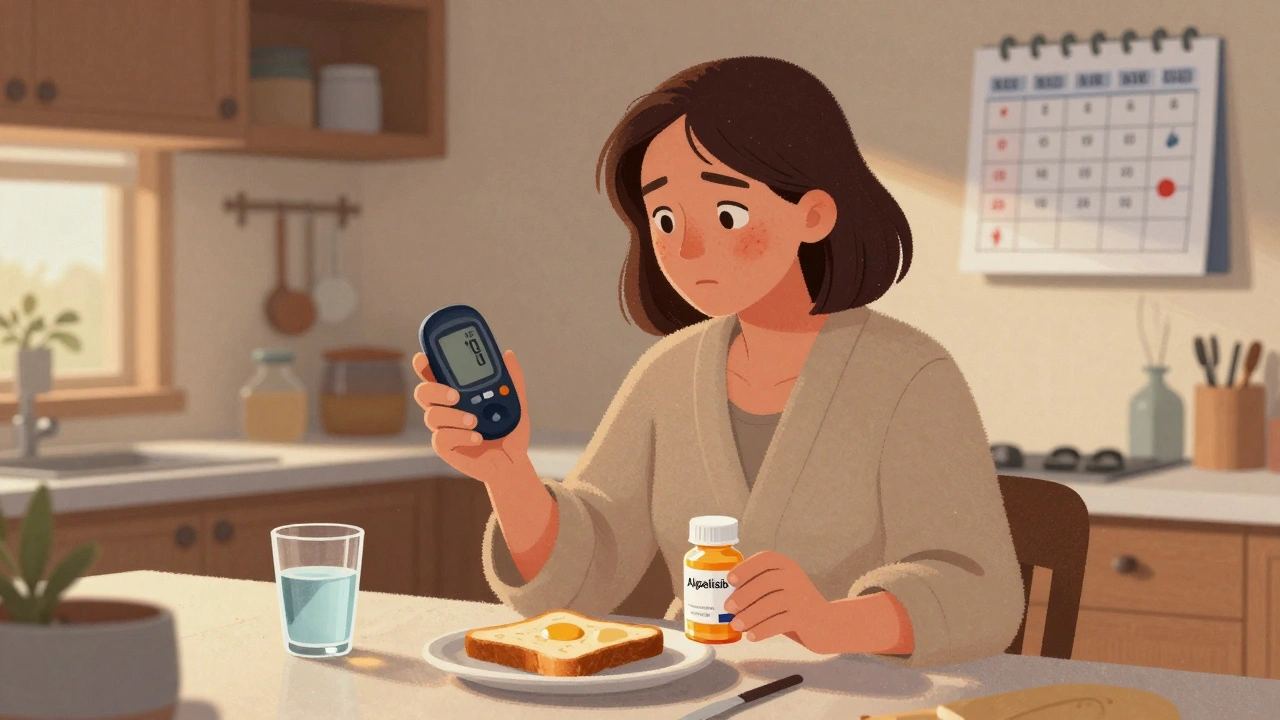
Real-world stories from breast cancer patients using alpelisib-how it slows cancer, the tough side effects like high blood sugar and rashes, and why many choose to keep taking it despite the challenges.