
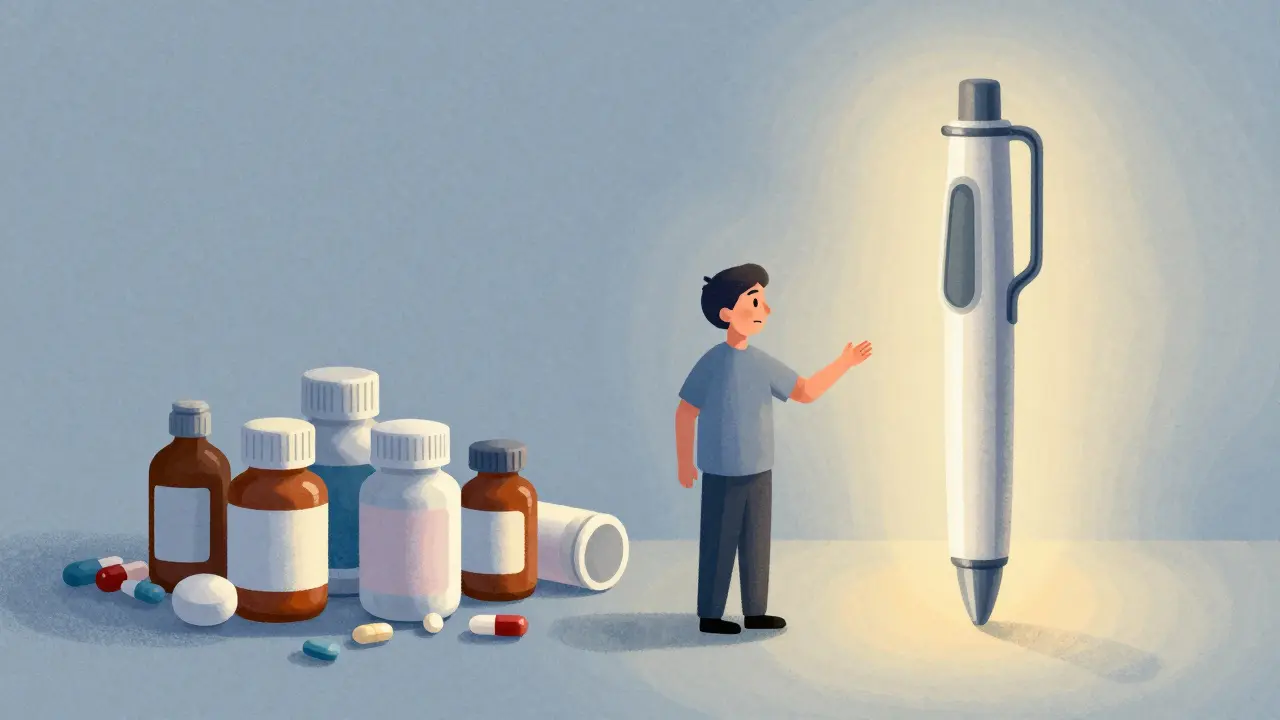
Sticking to a treatment plan is hard. We all know someone who forgets their pills or gets overwhelmed by multiple prescriptions. For patients managing chronic conditions, this struggle is real and dangerous. That is where generic combination products come in. These medicines merge two or more treatments into a single unit, often at a lower price than brand-name versions. They solve two big problems at once: the cost of care and the hassle of taking too many different drugs.
When you look at the healthcare landscape in 2026, access to affordable care is a top priority. Patients often skip doses because the bills get too high or the routine becomes too complicated. Generic versions of these integrated therapies keep the benefits of the original design but remove the premium price tag. This shift helps people stay on track with their health goals without breaking the bank.
What Exactly Are Generic Combination Products?
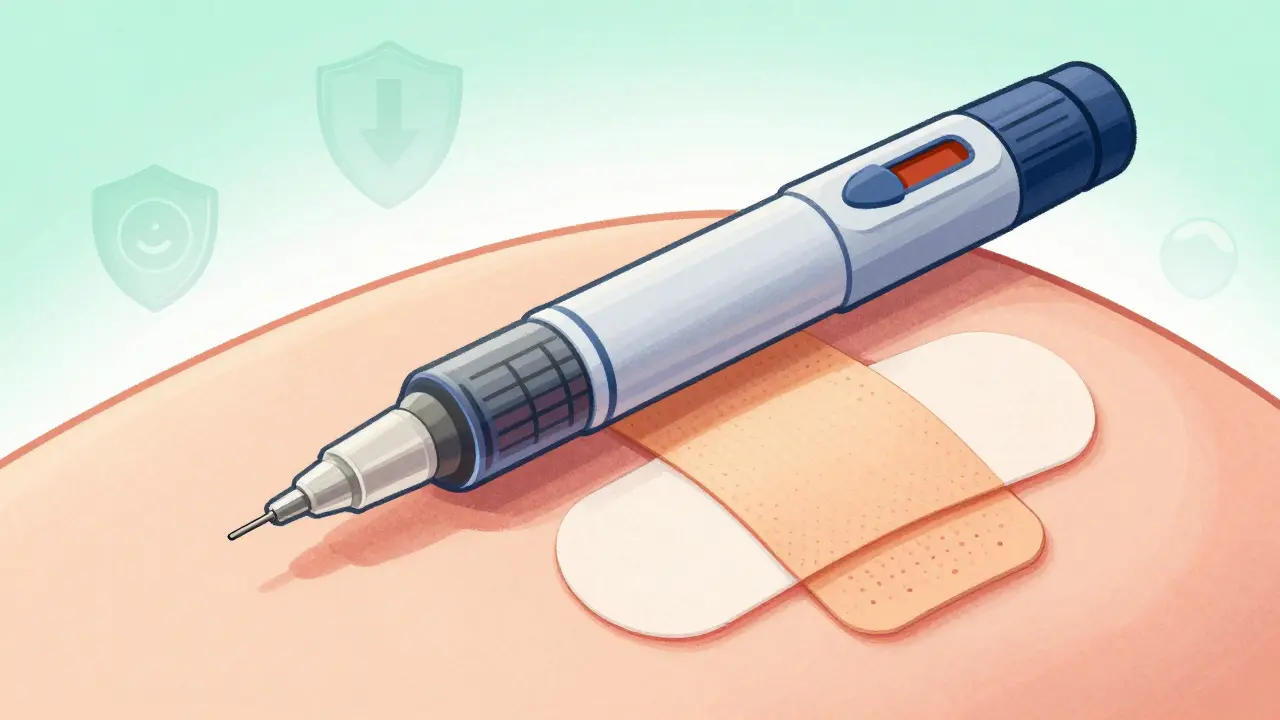
To understand the value, we need to define the term clearly. A combination product is not just a pill. It integrates a drug, a device, or a biological product into one system. Think of an insulin pen. It holds the medicine and the needle mechanism together. When a generic version of this enters the market, it must match the original in safety and effectiveness.
The U.S. Food and Drug Administration (FDA) defines these as therapeutic products that combine drugs, devices, and biological products. Generic versions follow strict rules to ensure they work the same way as the brand name. This means the active ingredients must be bioequivalent, usually falling within 80-125% of the reference product's pharmacokinetic parameters. The device part must also perform identically, delivering the right dose with the same precision.
This dual nature makes them unique. Unlike a standard generic pill, which only needs to match the chemical makeup, a generic combination product must also match the mechanical delivery. For example, if the brand-name inhaler requires a specific breath force, the generic must require the same force. This ensures that the patient does not need to relearn how to use the device every time they switch brands.
How These Products Boost Medication Adherence
The main reason doctors recommend these products is patient compliance. Adherence rates drop significantly when patients have to manage multiple separate items. Studies show that simplifying a regimen can improve adherence by 15-25%. When you take one pen instead of a vial and a syringe, you are less likely to make a mistake.
Cost is another massive driver. Financial barriers cause nearly a quarter of patients to skip doses. Generic combination products typically cost 30-80% less than their brand-name counterparts. This price drop removes a huge obstacle for families on tight budgets. When medicine is affordable, people are more likely to fill their prescriptions and keep using them.
Accuracy plays a role too. Devices like prefilled pens offer dose accuracy within ±5% across the entire range. This precision is critical for conditions like diabetes where the wrong dose can lead to serious health issues. Generic versions must meet these same performance standards, including activation force and failure rates below 0.1% in simulated use studies. Knowing the device works reliably gives patients confidence in their treatment.
Real-World Examples of Success
Let's look at specific cases where these products change lives. Drug-eluting stents are a prime example. They combine a metallic scaffold with a medication that prevents blood vessels from closing again after surgery. Generic versions of these stents must release medication over 30-90 days post-implantation, just like the original. This reduces the risk of restenosis by 30-40% compared to bare-metal stents.
Insulin pens represent another major category. Patients managing diabetes often switch from vials to pens because it reduces dosing errors. Community reports indicate that switching to pens can reduce dosing errors from several per week to almost zero. This happens because the preparation steps are eliminated. The pen is ready to use, and the generic versions maintain this ease of use.
Transdermal patches also fit this model. Nicotine patches deliver medication through the skin at controlled rates, providing steady-state delivery for smoking cessation. Patients don't have to remember to take a pill every hour. They apply one patch and move on with their day. Generic versions of these patches must deliver the same amount of nicotine per hour to be approved.
Challenges with Generic Substitution
Despite the benefits, there are hurdles. One major issue is confusion during pharmacy substitution. A patient might get one generic brand this month and a different one next month. If the device mechanism changes slightly, the patient might struggle. For instance, different generic inhalers might require slightly different breathing techniques. This confusion can lead to missed doses until the patient gets proper training.
Dr. Sarah Ibrahim of the FDA has noted that patients may be switched to multiple generics of the same product over a year. This adds to the confusion. Proper patient counseling is essential here. Talking to patients about why a medication looks different can save time and improve outcomes. Studies show that proper counseling can increase adherence rates by 17-22% for generic medications.
Documentation quality also matters. Injection systems and pulmonary inhalers dominate the market, but they need clear, visual instructions. If the leaflet is confusing, the patient won't use the device correctly. Inconsistent generic substitution practices undermine the compliance advantages if patients receive different device mechanisms without adequate retraining. This problem is documented in about 32% of cases.
Regulatory Standards and Market Growth
The path to approval for these products is rigorous. The FDA's Office of Generic Drugs requires that generic combination products meet identical performance standards. This includes force required for activation and dose accuracy. The approval timeline remains longer than for standalone generic drugs, often taking 18-24 months longer due to the complex regulatory pathway.
Market data shows significant growth potential. The global combination product market reached $127.5 billion in 2022 and is projected to grow to $258.3 billion by 2030. Chronic disease management represents the largest application area. Regulatory changes like the Inflation Reduction Act of 2022 have created new incentives for development. These laws aim to improve patient access while managing costs.
Adoption rates are high among medical professionals. About 62% of physicians prefer combination products for chronic disease management when available. They cite adherence benefits as the primary factor. As the market matures, we expect to see more generic options entering the space, further driving down costs and expanding access.

Comparison of Treatment Approaches
| Feature | Multi-Pill Regimen | Brand Combination Product | Generic Combination Product |
|---|---|---|---|
| Adherence Rate | Lower (drops 26% with twice-daily) | High (15-25% improvement) | High (Matches brand) |
| Cost to Patient | Variable (often high) | High (Premium pricing) | Low (30-80% savings) |
| User Assembly Errors | 12-18% chance | Low (Integrated) | Low (Integrated) |
| Device Consistency | N/A | Single Brand | Variable (Multiple Generics) |
Future Developments in Delivery Systems
Innovation continues to shape this field. Next-generation generic combination products are incorporating smart technology for adherence monitoring. These devices can track when a dose is taken and alert caregivers if a dose is missed. This technology contributes to easier self-dosing and reduces the risk of patient dosing errors.
The FDA has issued new draft guidance on demonstrating substitution for generic combination products. This aims to standardize the pathway for generic versions of complex delivery systems. Industry analysts predict that harmonization efforts will require 3-5 years to fully address adherence challenges associated with inconsistent substitution practices. Until then, patient education remains the key to success.
Long-term viability assessments indicate that the development and regulation of combination products stand at the forefront of innovation in healthcare. Generic versions play a critical role in expanding access to these advanced treatment modalities. As more patents expire, we will see a flood of affordable options that maintain the high standards of the original products.
Are generic combination products as safe as brand-name versions?
Yes, they are. The FDA requires generic combination products to meet identical performance standards for the delivery mechanism as their brand-name counterparts. This includes testing for dose accuracy, activation force, and reliability metrics to ensure safety and effectiveness.
Why do generic combination products cost less?
They cost less because the manufacturer does not have to recoup the initial research and development costs of the original product. Once the patent expires, other companies can produce equivalent versions, introducing competition that drives prices down by 30-80%.
Can I switch between different generic brands of the same product?
Generally, yes, but it can be confusing. Different generic versions might have varying device mechanisms. It is important to talk to your pharmacist or doctor if you notice the device looks different, as you may need brief retraining to use it correctly.
How much does adherence improve with these products?
Studies show that combination products can improve medication adherence rates by 15-25% compared to multiple separate products. This is because they simplify the treatment regimen and reduce the medication burden on the patient.
What is the biggest challenge with generic combination products?
The biggest challenge is potential confusion during pharmacy substitution. Patients may receive different generic versions with varying device mechanisms, which can lead to usage errors if they are not properly educated on the new device.
Blessing Ogboso
March 26, 2026 AT 06:39It is truly remarkable how these combination products can change the landscape for so many people around the world. We often forget that access to medicine is a fundamental right that many struggle to claim every single day. When you consider the complexity of managing chronic conditions, the burden falls heavily on the shoulders of the patient. Generic versions offer a lifeline that can bridge the gap between survival and thriving in difficult economic times. The idea of merging treatments into one unit simplifies the daily routine significantly for everyone involved. Patients do not have to juggle multiple bottles or worry about conflicting schedules anymore. This simplicity is not just a convenience but a crucial factor in maintaining long term health stability. We must acknowledge the role of regulatory bodies in ensuring these generics meet the same high standards as the originals. Safety cannot be compromised even when we are trying to reduce costs for the public. It is a delicate balance that requires constant vigilance and cooperation from all stakeholders in the healthcare system. The growth of this market suggests that we are moving in the right direction for global health equity. Families can finally breathe easier knowing that their prescriptions are affordable and reliable. Technology continues to evolve and these devices are becoming smarter and more user friendly over time. Education remains the cornerstone of success when introducing new delivery systems to the community. We need to ensure that every patient understands how to use their specific device correctly. Ultimately the goal is to empower individuals to take control of their own health journey without fear.
Jefferson Moratin
March 28, 2026 AT 00:53The precision required for these devices is indeed a critical component of their overall efficacy and safety profile. It is essential that the mechanical aspects align perfectly with the pharmacological delivery to ensure consistent therapeutic outcomes. The regulatory framework appears to be robust enough to maintain these standards across different manufacturers. One must consider the implications of device variability on the long term adherence rates observed in clinical settings. The data presented suggests a clear correlation between simplified regimens and improved patient compliance. This observation holds true across various demographic groups and chronic disease categories. The economic argument for generic substitution is also supported by the cost savings mentioned in the text. It is a logical progression for healthcare systems to adopt these solutions where appropriate. We should continue to monitor the real world performance of these products as they become more widespread. The balance between innovation and accessibility remains a central theme in modern medicine.
Alex Arcilla
March 28, 2026 AT 13:37honestly its kinda funny how people complain about pills when the real issue is just money lol. nobody wants to take meds but everyone wants to be healthy without paying the premium tax. generic combos are basically the cheat code for keeping your liver from exploding while saving cash. why pay for the fancy packaging when the stuff inside does the same thing anyway. i guess some folks just love feeling special with their brand name prescriptions though. its all about convenience mostly but sometimes the device feels different and that is annoying. at least the cost savings are real and not just marketing fluff. people should stop worrying about the little differences and focus on staying alive. the system is broken but this is a small fix that actually works. dont let the big pharma guys tell you otherwise because they just want your dollars.
Brandon Shatley
March 29, 2026 AT 07:23i think this is really good for people who cant afford the big names. my mom uses insulin and switching to the generic pen helped her a lot. the cost was way lower and she didnt have to buy needles separetly anymore. sometimes the box looks different but the medicine works the same way. i hope more doctors start pushing these options for their patients. it makes life easier for sure when you only have one thing to remember. the safety rules seem strict enough to keep everyone safe from bad products. we just need to make sure pharmacies dont confuse people when they switch brands. overall it is a win for families trying to manage health on a budget.
Amber Gray
March 29, 2026 AT 12:31american healthcare needs to stop relying on foreign imports for these devices we make them here and they should be cheap too 🇺🇸💊. its a shame we let other countries dictate the price of our own medicine supply chain. people need to demand quality from domestic manufacturers instead of settling for cheap generics. safety is paramount and we cannot trust every single version that comes off the shelf. i see too many stories about device failures and it makes me angry 😡. we need stricter laws to protect our citizens from these experimental substitutions. the government should be stepping in to regulate the pharmacy chains better. pride in our own production should come before saving a few bucks on a prescription. 🛑🛑
rebecca klady
March 30, 2026 AT 03:54i understand your concern about safety but the fda does check everything pretty thoroughly before approval. it is important to remember that cost barriers also affect safety when people skip doses because they cannot pay. finding a balance between affordability and quality is what keeps the system working for everyone. we should trust the regulatory process while staying informed about our specific medications. communication with pharmacists is key to avoiding any confusion with different device types. thank you for sharing your perspective on this important topic though.
Namrata Goyal
March 31, 2026 AT 18:50most people dont understand the nuance of bioequivalence and just assume generics are equal. the device mechanics can vary significantly and that is often overlooked by the masses. true efficacy requires precision that only original manufacturers can guarantee consistently. i find it amusing that the public accepts lower standards just to save a few dollars. quality healthcare is a privilege for those who can afford the best options available. do not let the marketing convince you that all versions are created equal in the real world. the subtle differences in delivery can impact therapeutic outcomes in significant ways. we must remain vigilant about what we introduce into our bodies every single day. education is lacking and people are making uninformed decisions about their health. stick to the proven brands if you value your wellbeing above all else.
Marissa Staples
April 1, 2026 AT 14:37there is truth in what you say about the variations but access is also a form of quality. when someone cannot afford the brand they might not take any medicine at all which is worse. the philosophy of health is about availability as much as it is about perfection. we should consider the greater good of the population rather than individual preferences. generics allow more people to participate in the healthcare system effectively. it is a complex balance that requires empathy from all sides involved. perhaps the solution lies in better education rather than restricting options. we can learn to appreciate the progress made in making these therapies accessible. every step forward helps someone who was previously left behind by the system.
Rachele Tycksen
April 1, 2026 AT 21:14just glad the prices are going down for everyone eventually
Grace Kusta Nasralla
April 2, 2026 AT 02:46the emotional weight of managing illness is often ignored in these technical discussions about cost. people feel vulnerable when their routine changes and that anxiety is real and valid. we must acknowledge the human element behind the statistics and the regulatory guidelines. trust is a fragile thing that can be broken easily by inconsistent experiences with devices. silence often speaks louder than words when patients struggle in private with their treatments. it is important to listen to the stories of those who have switched and faced difficulties. the inner turmoil of uncertainty can be just as damaging as the disease itself. we need to create spaces where these fears can be voiced without judgment. healing involves the mind as well as the body in this complex journey. understanding the emotional cost is part of the medical equation.
Korn Deno
April 3, 2026 AT 17:10the evolution of medical delivery systems reflects our broader societal values regarding efficiency and care. we prioritize convenience in many aspects of life and healthcare is no exception to this trend. the shift towards combination products is a natural progression in our quest for better outcomes. simplicity often leads to higher adherence rates which is a measurable benefit for everyone. technology serves humanity best when it removes barriers rather than creating new ones. the future will likely bring even more integrated solutions that we cannot yet imagine. we should embrace these changes while maintaining critical oversight of the process. balance is the key to sustainable progress in any field of study. the interplay between cost and quality will continue to define our healthcare landscape.
Aaron Sims
April 5, 2026 AT 15:14the people pulling the strings behind these generic approvals remain hidden from public view!!! the data is often manipulated to favor certain corporations without anyone noticing... the timeline for approval is suspiciously long for something that should be straightforward. we trust the fda despite them being caught in scandals before!!! the device consistency issues are not accidents they are features of a larger plan. patients are being used as test subjects without their full knowledge or consent... the cost savings are a trap to get people dependent on inferior products. we need to dig deeper into the funding sources for these studies!!! the marketing hype surrounding these products is designed to fool everyone. the truth is always hidden in the fine print of the regulatory documents... the system is rigged against the average consumer trying to survive. we should not accept these changes without demanding full transparency!!!