
Medication Side Effect Tracker
Track Your Side Effects
Your Symptom Log
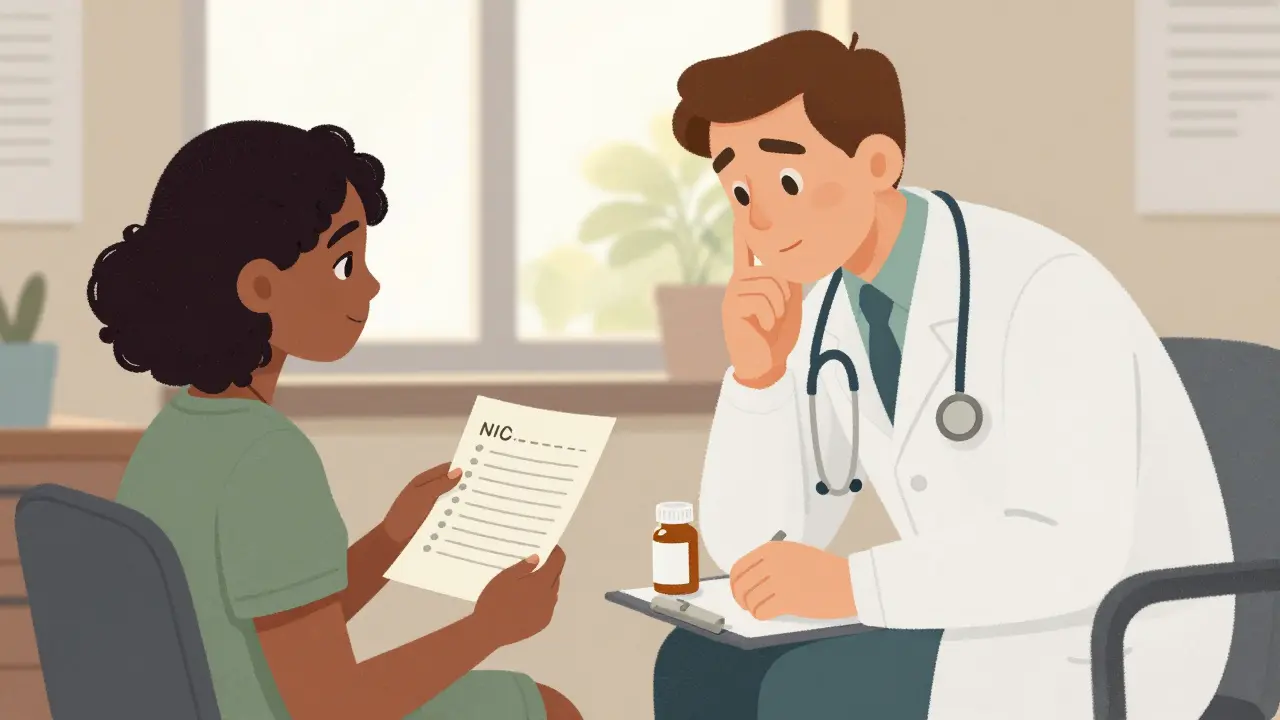
Start logging your symptoms to prepare for your next doctor appointment.
Why This Matters
Studies show that patients who track their side effects are 42% more likely to get the right treatment. Your log helps doctors understand your experience and make better decisions.
Average time spent tracking side effects
Fewer unnecessary medication stops
Every year, over 1.3 million people in the U.S. end up in the emergency room because of bad reactions to medications. Many of these cases aren’t accidents-they’re the result of silence. Patients feel unsure, rushed, or afraid to say something’s wrong. But speaking up isn’t being difficult. It’s the most important thing you can do to stay safe on medication.
Why Your Voice Matters
You’re not just a name on a prescription label. You’re the one living with the side effects-the dizziness at 3 p.m., the nausea after dinner, the sleepless nights, the strange tingling in your hands. No one else feels what you feel. And if you don’t tell your doctor, they won’t know.The World Health Organization says about half of all medication treatments fail-not because the drugs don’t work, but because people stop taking them. Why? Side effects. And too often, those side effects go unreported.
When you speak up, you’re not just protecting yourself. You’re helping improve care for everyone. Only 1 to 10 percent of side effects ever get reported to the FDA. That means the system is flying blind. Your report could be the one that flags a dangerous pattern before it hurts someone else.
What to Track Before Your Appointment
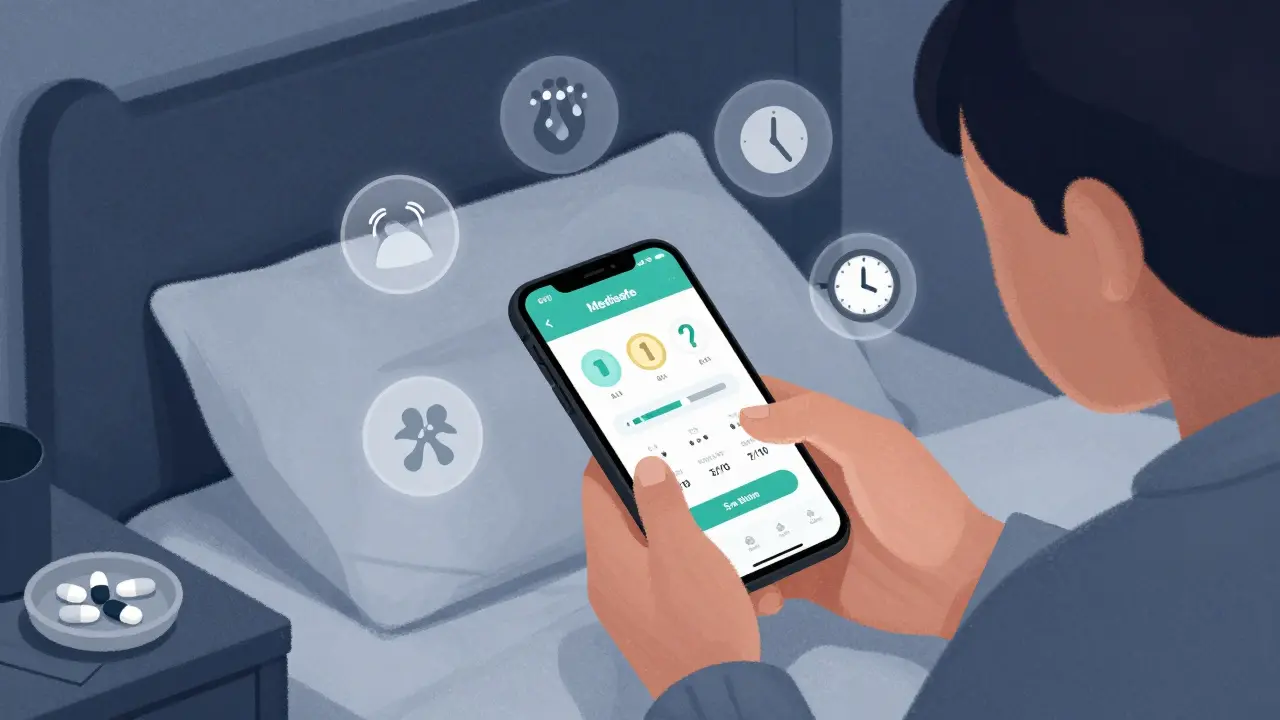
Don’t wait until your appointment to remember what happened. Start tracking right away. Use a notebook, your phone, or a free app like Medisafe (FDA-approved and updated in 2023). Write down:- What symptom you’re having (e.g., headaches, fatigue, swelling)
- When it started (date and time)
- How often it happens (daily? after meals? at night?)
- How bad it is on a scale of 1 to 10
- What else you were doing when it happened (e.g., after taking the pill, after walking up stairs)
One patient on Reddit tracked 37 dizzy spells over four weeks. When she brought the printout to her doctor, she finally got help. Before that, her symptoms were dismissed as "just stress."
How to Talk to Your Doctor Without Feeling Awkward
Doctors are busy. Appointments average just 13 minutes. But you don’t have to be rushed. Use a simple framework called SBAR:- Situation: "I’ve been having bad leg cramps since I started taking lisinopril two weeks ago."
- Background: "I didn’t have this before. I’m not taking anything else new."
- Assessment: "I think it’s linked to the medication because it started right after I began taking it."
- Recommendation: "Could we check my potassium levels? Or try a different blood pressure drug?"
This method works. A 2020 study found patients who used SBAR improved side effect reporting by 42%. It’s clear, calm, and gives your doctor exactly what they need to act.
Another option is the "Ask Me 3" program. Ask:
- What is my main problem?
- What do I need to do?
- Why is it important for me to do this?
These questions make sure you understand the plan-and give you a chance to say, "Actually, I can’t do this because of the side effects."
Bring Everything to Your Appointment
Don’t just rely on memory. Bring:- All your pills-in their original bottles
- Your symptom log
- A list of supplements or over-the-counter meds you take (even vitamins or herbal teas)
- A friend or family member to listen and help remember
Pharmacists say 87% of medication errors happen because providers don’t have the full picture. A bottle of fish oil you forgot to mention? A sleep aid you took last night? Those can interact with your prescription. Bring it all.
What If Your Doctor Dismisses You?
Sometimes, side effects are brushed off as "normal." One patient on PatientsLikeMe said his cardiologist told him leg cramps from his blood pressure med were "just part of aging." He stopped taking it. Two weeks later, he had a mini-stroke.If you feel ignored:
- Ask: "Can we look at the research on this side effect?"
- Ask: "Is there another medication that doesn’t cause this?"
- Ask: "Can I get a second opinion?"
You have the right to be heard. The American Medical Association now requires doctors to ask about side effects during every new prescription visit-starting January 2025. That means the system is changing. But until then, you have to push.
Use Free Tools to Help You
You don’t need to figure this out alone. There are free, reliable resources:- MedlinePlus (from the NIH): Search your drug name and click "Side Effects." It’s plain language, no jargon.
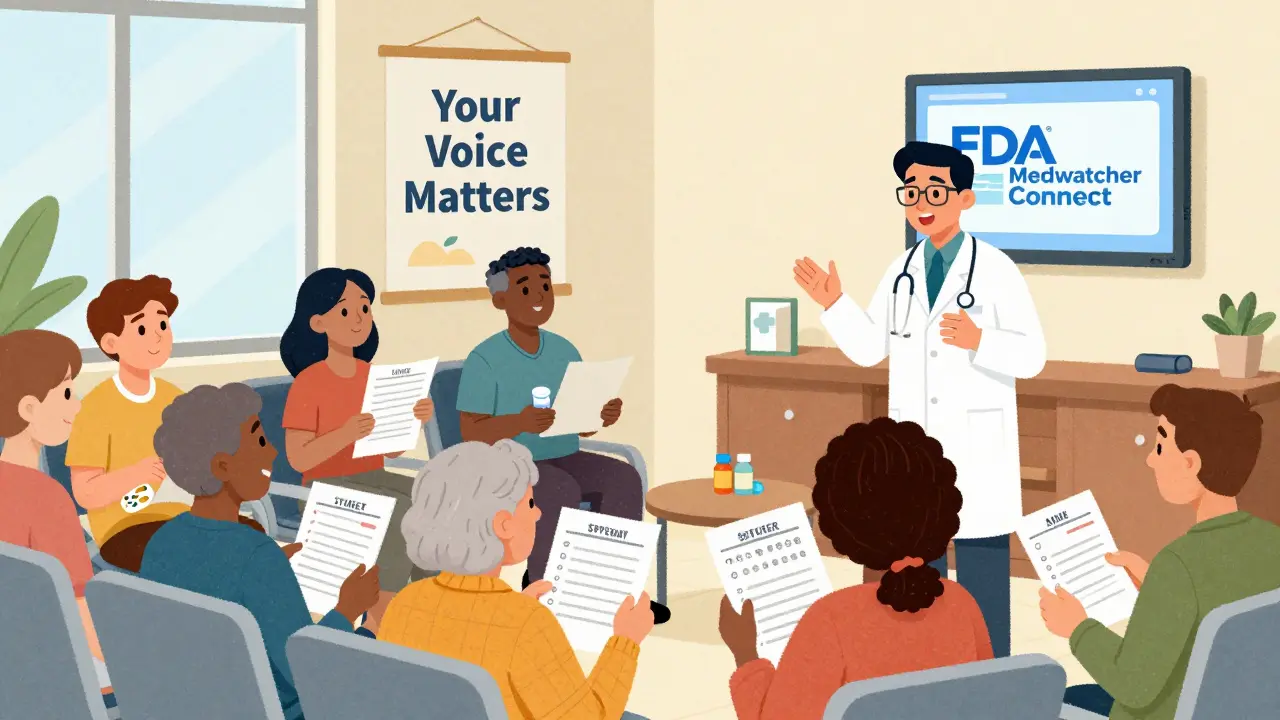
- MedWatcher Connect (launched by the FDA in September 2023): Report side effects directly to the FDA. You get a personalized risk summary back.
- National Council on Aging: Their free online course "Speaking Up About Medications" has helped over 47,000 people, especially seniors, gain confidence in speaking up.
These tools aren’t magic-but they give you power. And power comes from knowledge.
Why This Is Worth Your Time
It takes about 7.3 minutes a day to track side effects. That’s less than the time you spend scrolling through your phone before bed. But the payoff? A 32% drop in unnecessary medication stops, a 48% increase in accurate reporting, and 1.8 fewer doctor visits per year.And the money angle? Every $1 spent on helping patients speak up saves $4.73 in emergency care and hospital stays. That’s not just good for you-it’s good for the whole system.
If you’re taking medication, your voice isn’t optional. It’s essential. The more you speak up, the safer you become. And the more you speak up, the better care everyone gets.
What to Do Next
Start today:- Find one medication you’re taking and write down any side effects you’ve noticed.
- Download a free app like Medisafe or open a notes app on your phone.
- Next time you see your doctor, bring your list and say: "I want to talk about how I’m feeling on this medication."
You don’t need to be loud. You don’t need to be perfect. You just need to speak.
What if I’m scared my doctor will think I’m overreacting?
Doctors aren’t mind readers. If you don’t tell them, they assume everything’s fine. Most providers actually want to hear from you-especially when you come prepared with details. Saying, "I’ve noticed X symptom since starting Y medication," shows you’re informed, not dramatic. The 2023 AMA guidelines now require doctors to actively ask about side effects, so you’re not alone in this.
Can I stop my medication if the side effects are bad?
Never stop a prescribed medication on your own-even if you think it’s causing problems. Some drugs, like blood pressure or antidepressants, can cause dangerous withdrawal effects. Instead, say: "This side effect is really affecting me. Can we adjust the dose, switch to something else, or test for causes?" Your doctor can help you taper safely or find alternatives.
Do I need to report side effects to the FDA?
You don’t have to, but it helps. The FDA relies on patient reports to catch problems that clinical trials miss. If you’re using a drug that’s been on the market for years and you notice something new, report it through MedWatcher Connect. Even one report can make a difference. In the first 30 days after launch, the system received over 12,000 reports-more than four times the usual monthly number.
Why do some people’s side effects get ignored more than others?
Studies show patients from minority racial backgrounds, older adults, and women are less likely to have their side effects taken seriously. This isn’t fair-but it’s real. That’s why documentation is so important. Writing down symptoms, bringing them to appointments, and asking for clarification levels the playing field. You’re not asking for special treatment-you’re asking for equal care.
Is it okay to bring someone with me to my appointment?
Yes, absolutely. In fact, it’s encouraged. A 2022 study found that patients who brought a companion were 52% more likely to have their concerns fully addressed. Your companion can help you remember what was said, ask questions you forgot, and even help you take notes. Don’t feel guilty about it-this is part of being your own best advocate.
What if I don’t understand the side effects listed on the pill bottle?
You’re not alone. Only about 44% of patients read the full Patient Information Leaflet because the language is too technical. Use MedlinePlus or the FDA’s website to search your drug name in plain English. Ask your pharmacist to explain it in simple terms. You don’t need to be a medical expert-you just need to know what’s normal and what’s not.
Allie Lehto
January 24, 2026 AT 15:29Henry Jenkins
January 25, 2026 AT 22:32Renia Pyles
January 27, 2026 AT 12:04Nicholas Miter
January 28, 2026 AT 01:36Suresh Kumar Govindan
January 29, 2026 AT 04:43Ashley Karanja
January 30, 2026 AT 19:14Karen Droege
January 31, 2026 AT 17:18Shweta Deshpande
February 2, 2026 AT 09:25Jessica Knuteson
February 2, 2026 AT 14:31Ashley Porter
February 2, 2026 AT 18:07Peter Sharplin
February 4, 2026 AT 02:31Kipper Pickens
February 5, 2026 AT 07:01Joanna Domżalska
February 6, 2026 AT 10:01Josh josh
February 7, 2026 AT 06:33