
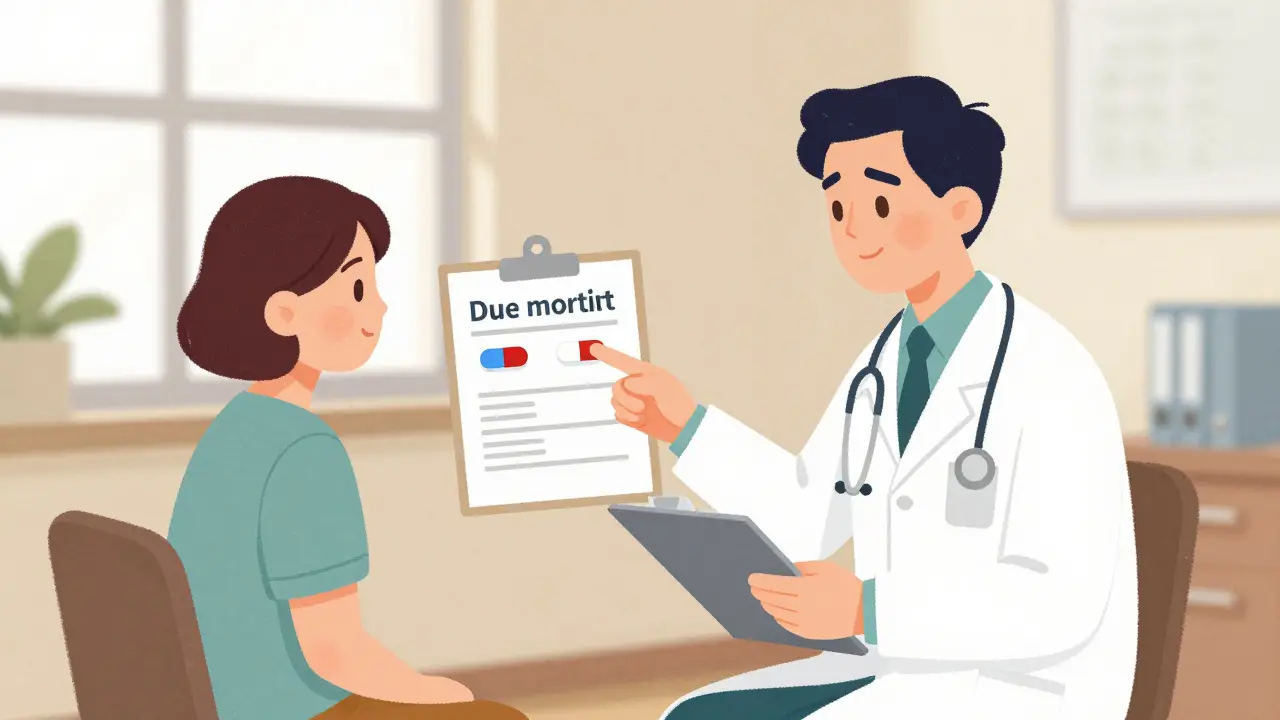
Every year, millions of people in Australia and around the world pay hundreds or even thousands of dollars extra for brand-name medications-when a cheaper, just-as-effective generic version is available. The truth? Most generic drugs work exactly the same as their brand-name counterparts. But unless you ask, your doctor might not bring it up. And your pharmacist might not switch it unless you’re clear about what you want.
What Are Generic Drugs, Really?
Generic drugs aren’t cheap knockoffs. They’re exact copies of brand-name medications in terms of active ingredients, dosage, strength, and how they work in your body. The U.S. Food and Drug Administration (FDA) and Australia’s Therapeutic Goods Administration (TGA) require them to meet the same strict standards for safety and effectiveness. The only differences? The color, shape, flavor, or inactive ingredients like fillers or dyes. These don’t affect how the drug works-just how it looks or tastes.
For example, if you’re taking the brand-name blood pressure pill Lisinopril, the generic version is the same chemical compound. It lowers your blood pressure just as well. The same goes for antidepressants like sertraline, acid reflux meds like omeprazole, or cholesterol drugs like atorvastatin. The brand names might be flashy, but the science doesn’t care.
Generics become available after the original patent expires-usually 10 to 15 years after the brand-name drug hits the market. Once other companies can make it, prices drop fast. One study showed that when three or more generic makers enter the market, the price falls by up to 95%. That’s not a small saving. It’s life-changing for people on fixed incomes.
Why Don’t Doctors Always Suggest Generics?
Most doctors know generics are safe. But here’s the catch: they’re not always up to date on which generics are available or covered by your insurance. A doctor might prescribe a brand-name drug simply because it’s what they’ve always written-or because the rep from the pharmaceutical company visited their office last month.
Also, some doctors assume patients want the brand name because it’s more familiar. Or they worry you’ll think they’re cutting corners. But that’s your job to clarify. You’re not asking for a downgrade-you’re asking for a smarter, more affordable option.
And here’s something most people don’t realize: your pharmacist can legally swap a brand-name drug for a generic unless your doctor writes “Do Not Substitute” on the prescription. But if you don’t ask your doctor about it first, you might end up paying more than you need to.
When Generics Might Not Be the Best Choice
There are exceptions. About 5% of medications have what’s called a “narrow therapeutic index.” That means even tiny differences in how the drug is absorbed can cause big problems. These include:
- Warfarin (blood thinner)
- Levothyroxine (for thyroid conditions)
- Some anti-seizure medications like phenytoin or carbamazepine
For these drugs, consistency matters. If you’ve been stable on a specific brand, switching between different generic versions-even ones approved by the TGA-could cause your levels to fluctuate. That’s why some doctors prefer you stick with one version. But even here, the issue isn’t about brand vs generic-it’s about sticking with the same manufacturer. If you switch from one generic to another, you might still have problems.
If your doctor says, “You need the brand name,” ask: “Is this because of the narrow therapeutic index? Or is there another reason?” That shifts the conversation from assumption to evidence.
How to Bring It Up at Your Appointment
Don’t wait until you’re at the pharmacy and see the price tag. Bring it up during your appointment. Here’s how to say it without sounding confrontational:
- “Is there a generic version of this medication available?”
- “Would the generic work just as well for me?”
- “Are there any reasons I should stay on the brand name instead?”
- “If a generic isn’t available now, when might one be?”
Instead of saying, “Can I get the cheaper one?” try: “I want the most effective treatment at the best price. I’m open to generics if they’re right for me.” This frames it as a partnership, not a demand.
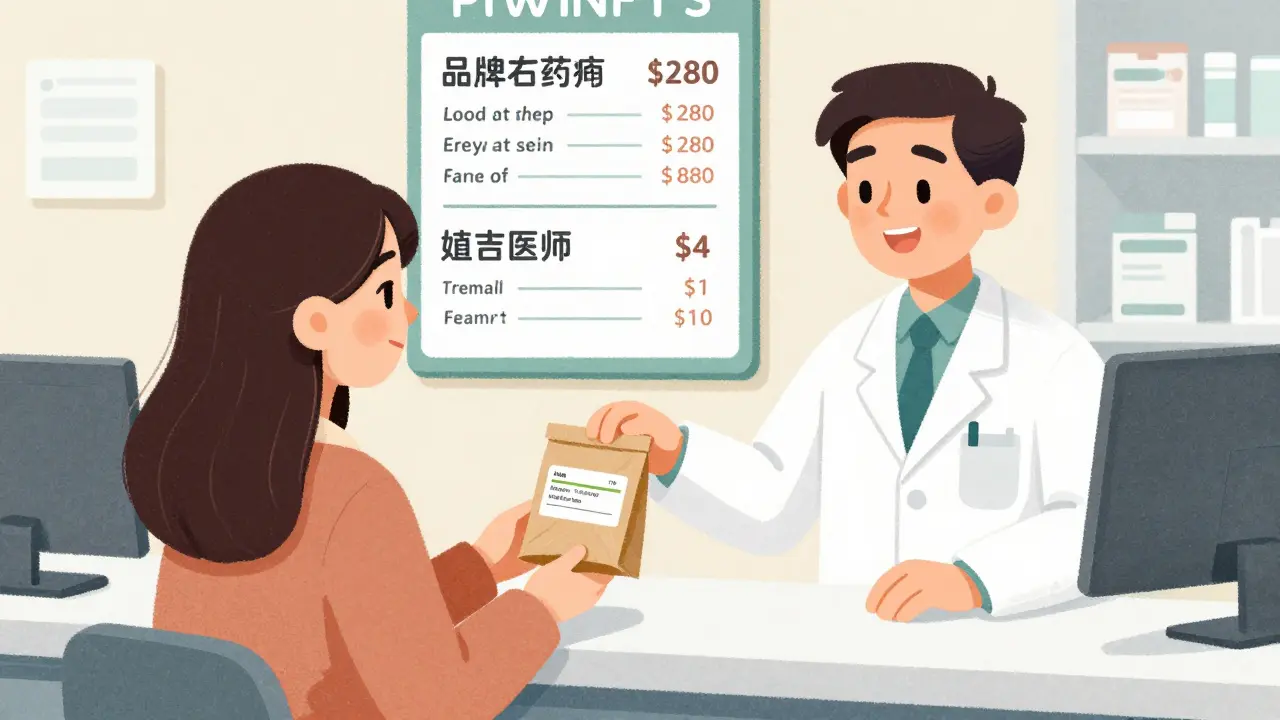
Bring a list of your current meds. If you know the cost difference-like omeprazole (generic) costing $4 instead of Nexium (brand) at $280-write it down. Numbers make it real.
What to Do If Your Doctor Says No
If your doctor says no to a generic, ask why. Is it because of the narrow therapeutic index? Or because they’re not sure about the insurance coverage? Or because they’re just used to prescribing the brand?
If it’s a coverage issue, ask: “Can we check with my pharmacy or insurer to see if a generic is covered?” Sometimes, a drug isn’t on the formulary yet, but it’s coming soon. Your doctor might not know.
If it’s a preference, ask: “Could we try the generic and see how I respond? I’m happy to monitor my symptoms and come back if there’s an issue.” Most doctors will agree to a trial if you’re willing to follow up.
And if they still say no? Get a second opinion. Not from a different doctor right away-but from your pharmacist. Pharmacists are medication experts. They know which generics are available, which ones are covered, and which ones have had problems in the past. They can often call your doctor and suggest an alternative.
Insurance and Cost Differences
Your insurance plan plays a big role. In Australia, the Pharmaceutical Benefits Scheme (PBS) heavily subsidizes generics. Many are listed at $30 or less for a month’s supply-even if the brand name costs $100 or more. If you’re on private insurance, check your formulary. Some plans have tiers: generics are Tier 1 (lowest cost), brand names are Tier 3 or 4 (highest).
Even if you’re paying cash, generics are usually cheaper. For example:
- Atorvastatin (generic Lipitor): $15/month
- Lisinopril (generic Zestril): $10/month
- Metformin (generic Glucophage): $8/month
- Sertraline (generic Zoloft): $12/month
Compare that to brand names, which can cost $80-$200/month without subsidy. That’s $1,000+ a year saved. That’s a new pair of shoes. A weekend trip. A month of public transport.
Real Stories, Real Savings
A 68-year-old woman in Melbourne was paying $1,100 a year for her brand-name thyroid medication. After asking her doctor, she switched to a generic. Her monthly cost dropped to $18. She didn’t feel any different. Her blood tests were identical.
A man with rheumatoid arthritis switched from a $7,000/month brand-name biologic to its generic version. His out-of-pocket cost dropped from $3,500 to $900. His symptoms stayed under control. His doctor confirmed it with blood work.
These aren’t rare cases. They’re the norm.
What to Do After You Get the Prescription
When you pick up your script, check the label. Does it say the generic name? If not, ask the pharmacist: “Is this the generic version?” If they say no, ask if they can switch it. In Australia, pharmacists can substitute unless the doctor says otherwise.
Also, keep track of how you feel. If you notice new side effects after switching-like more dizziness, nausea, or mood changes-don’t ignore it. Call your doctor. It could be the inactive ingredients. It could be a bad batch. But don’t assume the generic doesn’t work. Most of the time, it does.
And if you’re on a narrow therapeutic index drug, stick with the same manufacturer. If your pharmacy switches you to a different generic, ask them to keep you on the same one. Consistency matters more than the brand name.
Final Thoughts: You’re the Boss of Your Health
Medicine isn’t about what’s most expensive. It’s about what works best for you. Generics aren’t second-rate. They’re the smart choice for 95% of medications. You don’t need to be an expert to ask. You just need to be willing to speak up.
Next time you get a prescription, ask: “Is there a generic?” It’s not rude. It’s responsible. And it could save you hundreds-or even thousands-every year.
Brian Anaz
January 7, 2026 AT 00:58Generic drugs are just Big Pharma’s way of tricking dumb people into thinking they’re getting the same thing. The inactive ingredients? They’re full of shit. You think your body doesn’t notice the difference? Wake up. I’ve seen people crash after switching. This post is dangerous.
Venkataramanan Viswanathan
January 8, 2026 AT 03:09It is a matter of considerable importance that patients in Australia and elsewhere be made aware of the availability of generic alternatives. The Therapeutic Goods Administration has stringent guidelines, and the cost differential is not merely financial-it is social equity in action. One must approach medical decisions with both diligence and dignity.
Tiffany Adjei - Opong
January 8, 2026 AT 19:35Oh please. You’re telling me people don’t know generics are the same? Newsflash: they’re not. I had a cousin switch from brand-name Lexapro to generic escitalopram and she started hallucinating. The FDA doesn’t regulate ‘equivalence’-they regulate ‘bioavailability.’ Big difference. And don’t even get me started on the fillers. Ever read the label? Corn starch, titanium dioxide, lactose. Some people are allergic to that shit. You’re not a hero for saving $200-you’re a lab rat.
Cam Jane
January 10, 2026 AT 13:55You’ve got this. Seriously. Asking for generics isn’t being cheap-it’s being smart. I used to pay $250/month for my blood pressure med until I asked my doc and switched to lisinopril. $12 a month. Same results. Same energy. Same life. My grandma did the same with her thyroid med-went from $1100/year to $200. She didn’t feel ‘different’ because she didn’t need to. The science is solid. Don’t let fear or pride cost you your budget. You’re not asking for less-you’re asking for better. And if your doctor acts like you’re being rude? Tell them you’re asking for evidence, not charity. You’ve got a right to know. And you’ve got a right to save.
Isaac Jules
January 10, 2026 AT 23:12LOL. You think pharmacists are just gonna swap your meds like trading cards? Nah. They’re paid by the brand names. They don’t care about you. They care about their kickbacks. And your ‘generic’? Probably made in a factory in China with no oversight. I’ve seen the reports. You think your ‘$10’ pill isn’t full of heavy metals? Wake the f up. This post is a scam.
Stuart Shield
January 12, 2026 AT 04:03I’ve been a pharmacist for 22 years. I’ve watched people cry because they couldn’t afford their meds. Then they switch to generic-same chemistry, same results-and they breathe again. One man told me, ‘I didn’t know I could’ve been doing this for years.’ That’s the real win. Not the money. The dignity. Don’t let anyone make you feel small for asking. You’re not asking for a handout-you’re asking for fairness. And that’s worth more than any brand name.
Lily Lilyy
January 12, 2026 AT 09:26It is truly inspiring to see individuals taking charge of their health with such wisdom. Generics are not merely cost-effective-they are a testament to the power of scientific progress and public policy working in harmony. Let us all be bold in our inquiries and steadfast in our pursuit of equitable healthcare. Your voice matters.
Ashley S
January 12, 2026 AT 10:01My uncle died because he switched to generic insulin. They didn’t tell him the batch was bad. Now his wife says they’re all just trying to kill us with cheap pills. I’m not saying this post is wrong-I’m saying it’s a death sentence waiting to happen. Why don’t you try it on your kid? Huh? Would you?
Leonard Shit
January 13, 2026 AT 17:44lol i read this whole thing and still dont know if i should ask for the cheap one or not. but hey if my doc says no i guess i’ll just keep paying $200 for a pill that looks like a rainbow gummy bear. also my pharmacist gave me a free lollipop once so i trust him. lol.
Melanie Clark
January 13, 2026 AT 20:11They’re watching you. They know you asked for generics. That’s why your next prescription is always 2 weeks late. That’s why your bloodwork always shows ‘anomaly’. The pharmaceutical lobby has people in every clinic. Every pharmacist. Every lab. You think this is about money? No. It’s about control. You’re being tested. Don’t take the pill. Don’t sign the form. Don’t trust the system. They’re coming for you next.