
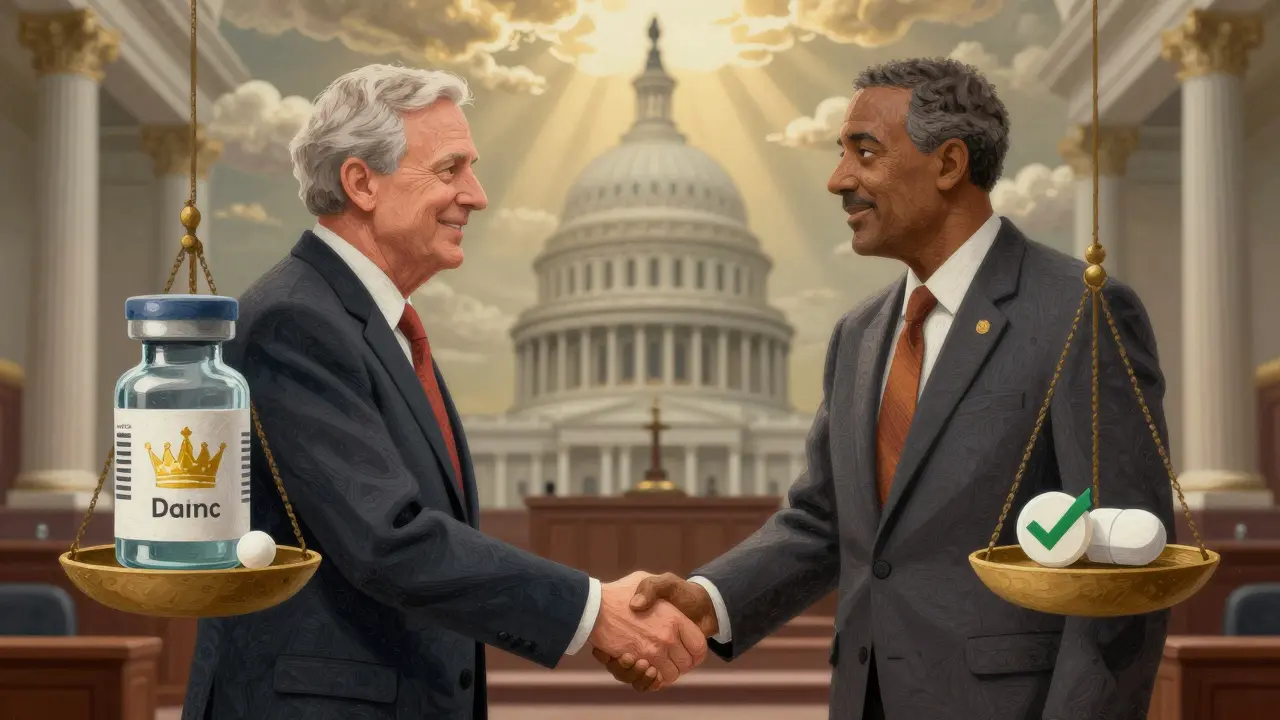
Before 1984, generic drugs were almost non-existent in the U.S. Today, they make up 90% of prescriptions but cost only a fraction of brand-name drugs. How did this happen? The Hatch-Waxman Act is the Drug Price Competition and Patent Term Restoration Act of 1984 (Public Law 98-417), which created a balanced framework for generic drug approval while protecting innovator patents.
What the Hatch-Waxman Act Is and Why It Matters
The Hatch-Waxman Act was born from a real crisis. In the early 1980s, brand-name drug companies had strong patent protection, but generic manufacturers couldn't test their versions until patents expired. This meant patients waited years for affordable alternatives. The Supreme Court's 1984 Roche v. Bolar decision made it worse, ruling that even testing drugs during patent terms was illegal. That's when Congress stepped in. Senator Orrin Hatch and Representative Henry Waxman brokered a deal between drug companies and generics. The result? A law that gives innovators extra patent time while clearing a fast track for generics. Without this compromise, today's generic drug market simply wouldn't exist.
Core Mechanisms of the Hatch-Waxman Act
The Act's engine is the Abbreviated New Drug Application (ANDA) pathway. Instead of redoing expensive clinical trials, generic makers prove their drug matches the brand-name version in safety and effectiveness. This cuts development costs by 75% compared to new drugs. Crucially, the law created a "safe harbor" under 35 U.S.C. §271(e)(1). This lets generic companies test patented drugs during the patent term-something the Roche v. Bolar case had blocked. Now, they can start work up to five years before patents expire.
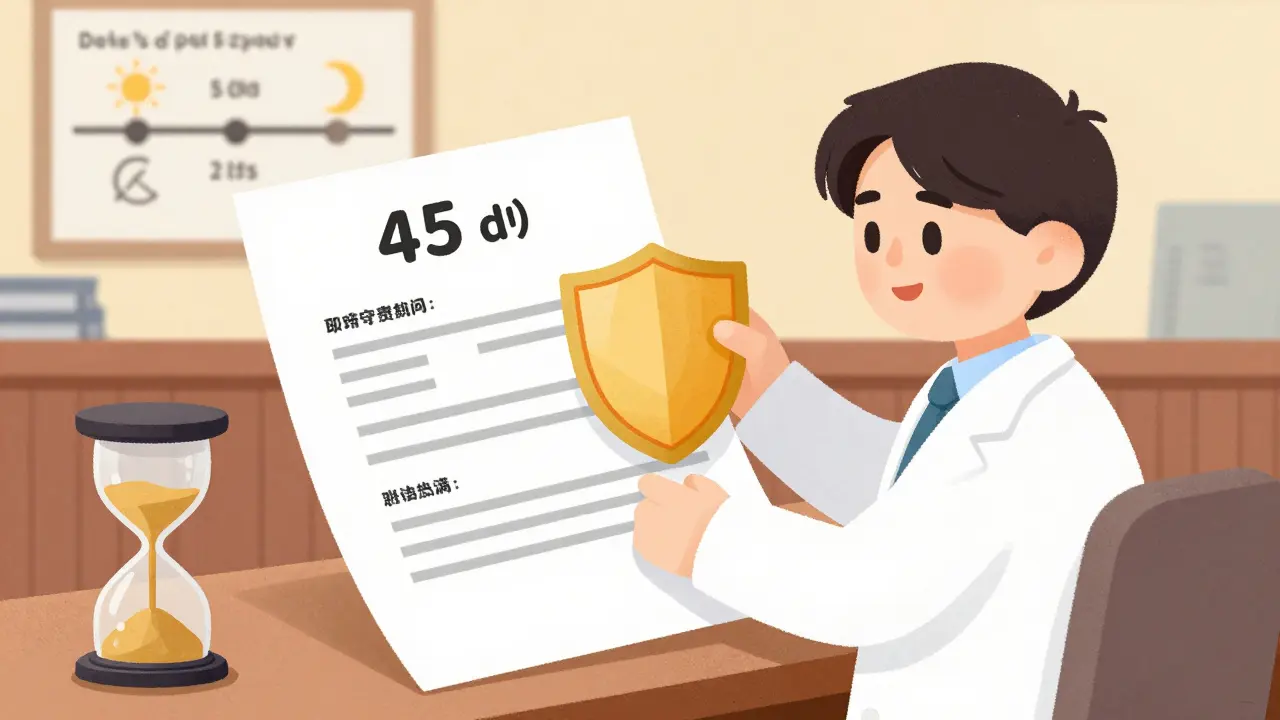
For innovator drugs, Hatch-Waxman offers patent term restoration. If the FDA approval process eats up time, companies get up to 14 years of extra patent life. In reality, though, the average extension is just 2.6 years. For generic challenges, the Paragraph IV certification process is key. When a generic company claims a patent is invalid or won't be infringed, the brand-name company has 45 days to sue. This triggers a 30-month automatic delay in FDA approval. The first generic to file a Paragraph IV challenge gets 180 days of exclusive market time-a huge incentive that once led companies to camp outside FDA offices to be first in line.
Impact on Drug Pricing and Access
The numbers speak for themselves. Before Hatch-Waxman, fewer than 10 generic drugs got approved yearly. By 2019, the FDA approved 771 generics-covering 90% of all prescriptions filled in the U.S. Yet generics only account for 24% of total drug spending. That's why the system saves patients and insurers billions. The Association for Accessible Medicines reports $313 billion in annual savings from generics alone. For example, when the cholesterol drug Lipitor went generic in 2011, prices dropped 90% within months. This isn't just theoretical: a single generic version of the blood thinner Plavix saved Americans $3.5 billion in its first year.
Compared to Europe, the U.S. system gets generics to market faster. A 2017 IMS Health study found U.S. generics enter 1.8 years sooner after patents expire than in EU countries. But this speed comes with trade-offs. The U.S. sees 34 patent challenges per innovator drug on average, versus just 12 in Europe. That's because Hatch-Waxman's structure creates more legal battles over patents.
Challenges and Controversies
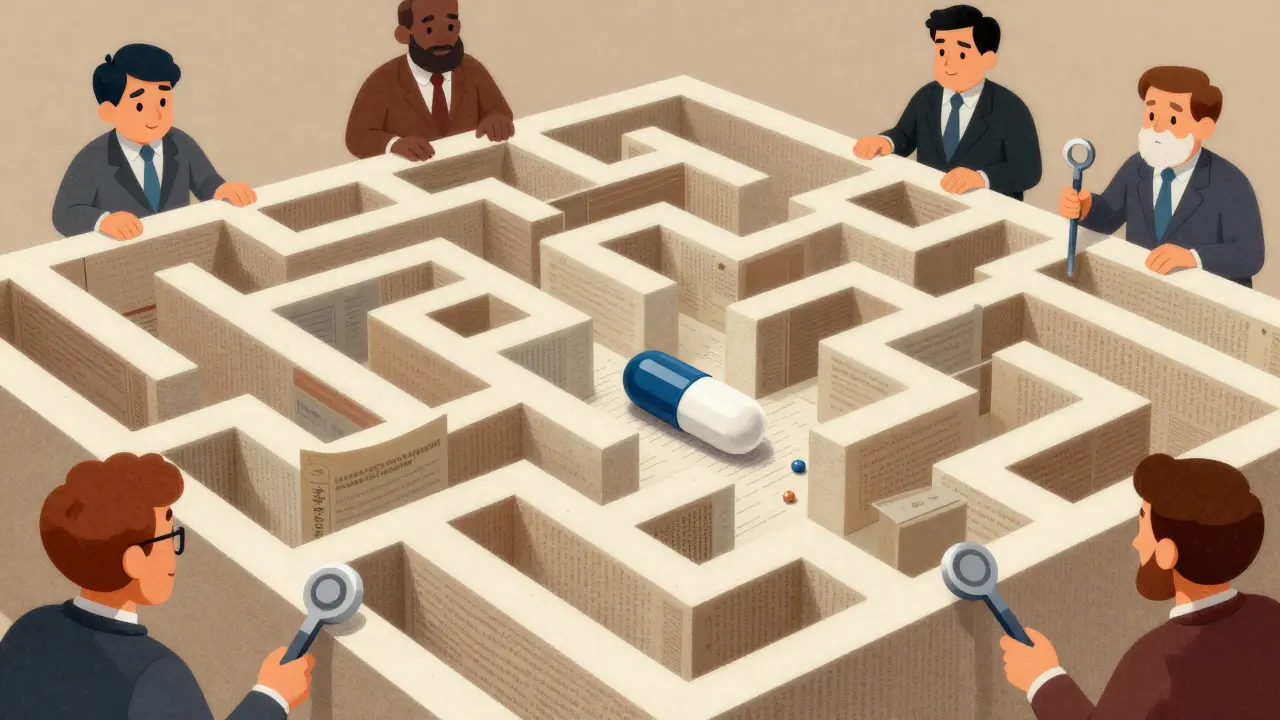
Despite its successes, Hatch-Waxman has serious flaws. Brand-name companies now file an average of 14 patents per drug-up from 3.5 in 1984. These "patent thickets" delay generics. For instance, the diabetes drug Humira has over 100 patents, blocking competitors for over 15 years. "Product hopping" is another tactic: companies make minor changes to drugs to reset patent clocks. When Solvay Pharmaceuticals slightly altered the ADHD drug Adderall in 2007, it pushed generics off the market for years.
"Pay-for-delay" deals are even more damaging. Brand companies pay generics to stay out of the market. Between 2005 and 2012, 10% of generic challenges involved these settlements. One notorious case: the blood thinner Plavix. When generics tried to challenge its patents, the brand company paid them $1 billion to delay entry for 18 months. The FTC estimates these deals cost consumers $3.5 billion yearly. A Reddit post from a generic company regulatory manager in 2022 summed it up: "For blockbuster drugs, the 180-day exclusivity window is nearly worthless. Brand companies now file 50+ patents to create 7-10 year litigation marathons."
Current Reforms and Future Directions
Lawmakers are trying to fix these issues. The 2022 CREATES Act stops brand companies from blocking generic companies from getting drug samples needed for testing. In June 2023, the House passed the Preserve Access to Affordable Generics and Biosimilars Act, which bans pay-for-delay deals. The FDA also launched new guidelines to clean up the Orange Book-the official patent listing system. In 2022, the agency announced plans to cut ANDA review times from 10 months to 8 months by 2025 under its GDUFA IV program.
These changes could save $45 billion annually by 2030, according to Evaluate Pharma. But there's pushback. The Biotechnology Innovation Organization warns that too many reforms might reduce new drug approvals by 12-15%. Still, most industry experts agree the core Hatch-Waxman framework works. A 2023 Deloitte survey found 87% of pharmaceutical executives say its principles remain sound, even if tweaks are needed. The real question is whether Congress can balance innovation incentives with fair competition before patients pay more.
What is the Orange Book?
The Orange Book, officially the "Approved Drug Products with Therapeutic Equivalence Evaluations," is the FDA's official list of approved drugs and their patents. It's critical for generic drug development because it shows which patents must be challenged before a generic can enter the market. The FDA recently updated its guidelines to prevent improper patent listings that delay generics.
How does the Paragraph IV certification work?
When a generic company files an ANDA, it must certify against each patent listed in the Orange Book. A Paragraph IV certification says a patent is invalid or won't be infringed. This triggers a lawsuit from the brand company within 45 days. If sued, the FDA automatically delays approval for 30 months. The first generic to file this certification gets 180 days of exclusive market time.
Why do brand companies file so many patents?
Brand companies use "patent thickets" to block generics. They file patents for minor changes-like new dosages or delivery methods-to extend market exclusivity. For example, Humira has over 100 patents, delaying generic entry for 15+ years. This tactic increased from 1.5 to 2.7 patents per drug between 1984 and 2016, according to Congressional Research Service data.
What is "product hopping"?
Product hopping happens when a brand company makes a minor change to a drug-like a new pill shape or delivery system-and patents it. This forces patients to switch to the new version, even if the old one had generics. For example, when the ADHD drug Adderall was reformulated in 2007, the brand company blocked generics for years by patenting the new version. The FTC has called this a "gaming" tactic under Hatch-Waxman.
How do pay-for-delay deals work?
Pay-for-delay happens when a brand company pays a generic company to delay launching its drug. Instead of competing, they agree to split profits. For instance, in 2013, the drug company Actavis paid $2 billion to settle a lawsuit over the blood thinner Plavix, delaying generics for 18 months. These deals cost consumers an estimated $3.5 billion yearly, according to FTC data.
Rene Krikhaar
February 6, 2026 AT 23:19The Hatch-Waxman Act is a cornerstone of US drug policy.
It's amazing how it balances patent protection with generic competition.
Before 1984 generics were rare but now they cover 90% of prescriptions.
The ANDA pathway lets generics skip expensive trials.
The safe harbor provision is key allowing testing during patent terms.
Without it drug development would be much slower.
Innovators get patent extensions too which encourages research.
The Paragraph IV process is crucial but can lead to delays.
Still overall it's a win for patients.
Generic drugs save billions yearly.
Lipitor going generic cut prices 90%.
Plavix saved $3.5 billion in a year.
The Orange Book is important but needs updates.
Patent thickets are a problem but reforms are coming.
We should support this system with some tweaks.
It's working better than before.
one hamzah
February 7, 2026 AT 10:24Hatch-Waxman is a game changer 🌟 But patent thikets are a problem 😤 The FDA needs to crack down on those.
Product hopping is sneaky like Adderall reformulation.
Pay-for-delay deals are totally unfair 💸 Plavix case was a disaster.
We need more transparency in the Orange Book.
The CREATES Act is a step in right direction.
Let's keep pushing for affordable meds! 🙌
Dr. Sara Harowitz
February 9, 2026 AT 03:03The Hatch-Waxman Act is a flawed system! It allows too many patents, and the 'pay-for-delay' deals are a disgrace! America's healthcare system is being undermined by these practices! Big pharma is gaming the system. The FDA needs to take action now! This is a national crisis. We must protect American patients from these predatory practices! The current system is broken and needs to be reformed immediately!
Joyce cuypers
February 9, 2026 AT 22:44This act really helped make generics affordable! It's amazing how it balances innovation and competition.
Though some tweaks are needed, like stopping pay-for-delay deals.
Overall, a great law! 😊 The ANDA process is a game changer.
Companies can test without waiting for patents to expire.
That's why we have so many generics now.
It's a smart compromise.
Maybe some tweaks are needed but the core works.
The Orange Book is important for tracking patents.
But patent thickets are a problem.
Still, the system is better than before.
Lisa Scott
February 10, 2026 AT 03:07Hatch-Waxman is a scam. Big pharma controls everything. They file patents just to block generics. The FDA is in on it. No wonder drugs are expensive. It's all a lie.
Kate Gile
February 11, 2026 AT 06:15The Hatch-Waxman Act has been instrumental in making generics accessible.
It's important to continue reforms like the CREATES Act to address patent thickets.
We need more collaboration between stakeholders.
The current system works well overall but needs minor adjustments.
The Orange Book updates are a good step forward.
We should focus on balancing innovation with fair competition.
Bella Cullen
February 12, 2026 AT 02:16Hatch-Waxman is okay but needs work.
divya shetty
February 13, 2026 AT 12:42The Hatch-Waxman Act has significant flaws that require immediate attention.
Patent thickets and product hopping are unethical practices that must be addressed by Congress.
The current system prioritizes corporate interests over patient access.
We need stronger regulations to ensure fair competition.
This is a matter of public health and equity.
Nancy Maneely
February 13, 2026 AT 14:49Hatch-Waxman is a disaster! Big pharma is manipulating the system.
They file hundreds of patents just to keep generics out.
This is why drug prices are so high in America.
It's a disgrace! 😡