
Medication BP Impact Checker
Select a medication class below to see how it typically affects your blood pressure and what the primary cause is.
-
-
Please select a medication class above to view the details.
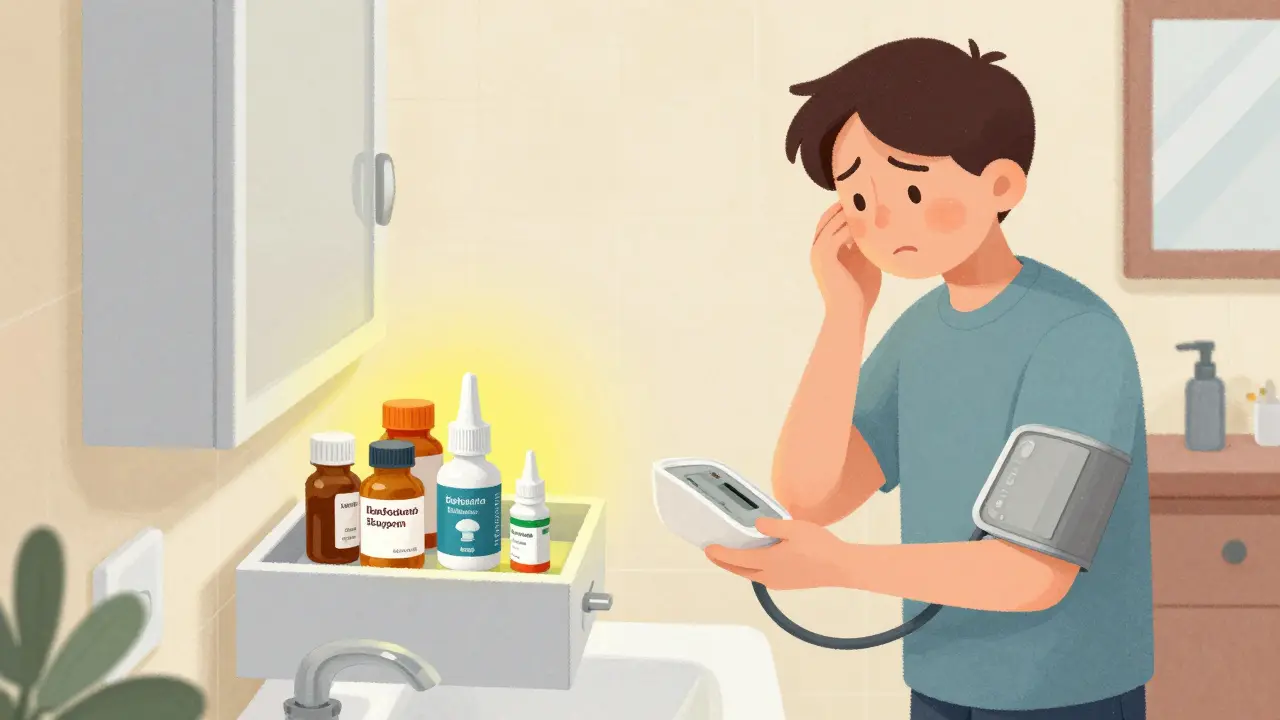
- Common OTC drugs like ibuprofen and nasal decongestants can silently spike your blood pressure.
- Steroids and certain antidepressants carry a higher risk of causing long-term hypertension.
- The most effective way to manage this is through a systematic medication review and adjusting dosages.
- Home monitoring is critical when starting any new medication that affects the cardiovascular system.
The Usual Suspects: Which Medications Raise Blood Pressure?
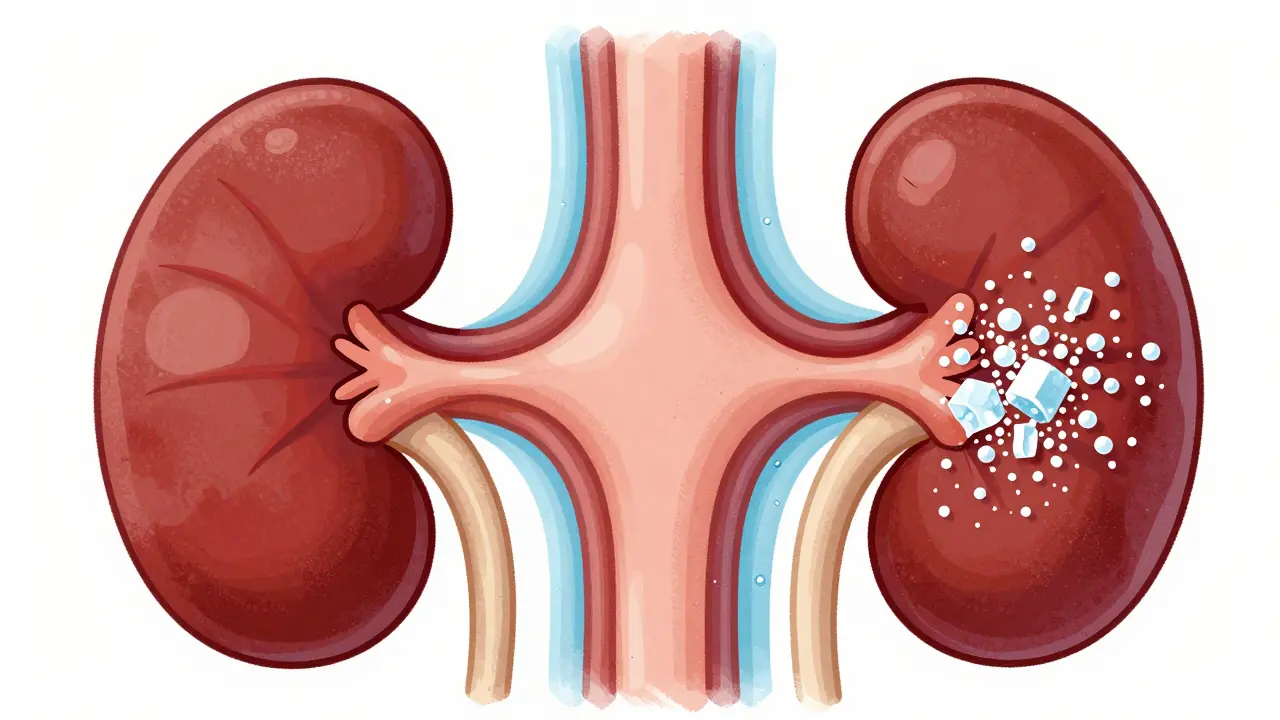
Not all medications affect your heart the same way. Some cause your body to hold onto salt, while others tighten your blood vessels. If you're noticing a climb in your readings, check your labels for these specific classes.First, there are the NSAIDs (Non-Steroidal Anti-Inflammatory Drugs). These are the heavy hitters in the over-the-counter world. Drugs like ibuprofen (Advil, Motrin) can increase systolic pressure by 5-10 mm Hg in people who already have hypertension. They do this by inhibiting enzymes that normally help your blood vessels relax and help your kidneys flush out sodium. When those enzymes are blocked, your body holds onto water, and your blood pressure goes up.
Then we have Corticosteroids, such as prednisone. These are significantly more potent. In some cases, high-dose steroid therapy can lead to hypertension in over 50% of patients. They act on mineralocorticoid receptors, essentially forcing your body to keep sodium and dump potassium, which expands your plasma volume.
Other common triggers include:
- Decongestants: Ingredients like pseudoephedrine or phenylephrine stimulate alpha-adrenergic receptors, causing rapid vasoconstriction. You might see a spike of 5-10 mm Hg within just a few hours of taking a sinus pill.
- Antidepressants: Specifically SNRIs (Serotonin-Norepinephrine Reuptake Inhibitors) like venlafaxine. These can increase sympathetic tone, with higher doses often correlating with higher blood pressure.
- Stimulants: Medications for ADHD, such as amphetamine salts, can elevate BP in up to 25% of users.
- Specialty Drugs: Erythropoietin (used for anemia) and certain HAART (HIV medications) are also known to cause blood pressure issues, often appearing months into the treatment.
| Medication Class | Common Example | Typical BP Increase | Primary Mechanism |
|---|---|---|---|
| NSAIDs | Ibuprofen | 3-10 mm Hg (Systolic) | Sodium retention / Vasoconstriction |
| Corticosteroids | Prednisone | Up to 15 mm Hg (Systolic) | Plasma volume expansion |
| Decongestants | Pseudoephedrine | 5-10 mm Hg (Systolic) | Alpha-receptor stimulation |
| SNRIs | Venlafaxine | Dose-dependent increase | Increased norepinephrine |
How to Monitor Your Blood Pressure Effectively
If you're starting a new medication that could affect your heart, don't wait for your next six-month checkup. You need a proactive monitoring plan. The 2023 American Heart Association guidelines suggest a specific rhythm for measurements to catch spikes before they become dangerous.Start with a baseline reading before you take your first dose. Once you start the med, check your pressure at the 1-2 week mark and again at 4-6 weeks. If everything stays stable, you can move to quarterly checks. For those on steroids, daily checks during the first month are highly recommended.
The Home Monitoring Strategy: Use a home blood pressure monitor (HBPM) for seven days before you start a new drug and again after any dosage change. Take readings twice a day. A pro tip here: ignore the first day's results and average the next six. This gives you a much more accurate reflection of your true baseline.
For high-risk patients-like those who already have kidney issues or are taking multiple BP-elevating drugs-your doctor might suggest Ambulatory Blood Pressure Monitoring (ABPM). This is where you wear a device for 24 hours. If your average daytime systolic pressure hits 135 mm Hg or higher, it's a clear signal that the medication is pushing your system too hard.
Managing the Spike: Steps to Get Your Numbers Down
Finding out your meds are causing high blood pressure doesn't always mean you have to stop the treatment immediately, especially for critical drugs like steroids. Instead, follow a stepped approach to bring those numbers back to earth.The first and most effective step is a medication review. In many cases, simply switching a drug or lowering the dose solves the problem. For instance, about 60-70% of people who experience NSAID-induced hypertension see their numbers normalize within two to four weeks of stopping the drug. If you need pain relief, consider acetaminophen or celecoxib, the latter of which has a much smaller impact on blood pressure than ibuprofen.
When you can't stop the medication-such as when treating an autoimmune disease with prednisone-your doctor may add an antihypertensive. Calcium channel blockers (like amlodipine) or thiazide diuretics (like hydrochlorothiazide) are generally the first choice. Interestingly, beta-blockers aren't as effective for drug-induced cases because they don't target the vasoconstrictive mechanisms as well as calcium channel blockers do.
Don't underestimate the power of your daily habits. Simple changes can shave 5-8 mm Hg off your systolic reading:
- Limit Salt: Keep your sodium intake below 1,500 mg per day.
- Boost Potassium: Aim for 2,500 to 3,500 mg daily to help balance out sodium retention.
- Move More: Get at least 150 minutes of moderate aerobic exercise per week.
Why This Often Goes Undiagnosed
It's surprisingly common for both patients and providers to miss the link between a pill and a blood pressure spike. Some research suggests that nearly 20% of patients with "resistant hypertension" are actually suffering from undiagnosed drug-induced hypertension.A big part of the problem is the "silent" nature of over-the-counter drugs. Many people don't consider a bottle of ibuprofen to be "medicine" in the same way they view a prescription, so they don't mention it during a medical history check. In fact, surveys show that only about 22% of primary care providers routinely screen for NSAID use in their hypertensive patients.
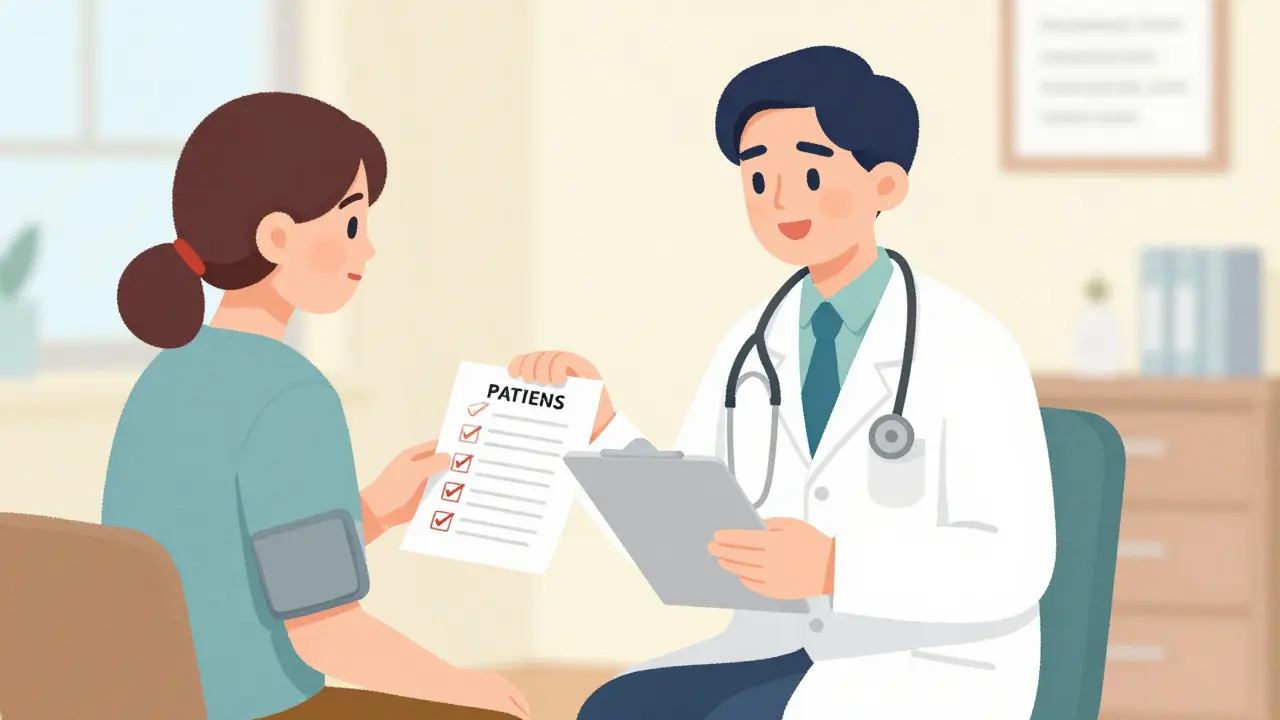
This lack of awareness leads to delayed diagnoses. Some patients report waiting nearly nine months before realizing their sinus medication or a herbal supplement like St. John's Wort was the reason for their skyrocketing numbers. The key is to be your own advocate: keep a complete list of every pill, powder, and supplement you take, and ask your doctor, "Could any of these be affecting my blood pressure?"
Can taking ibuprofen every day cause permanent high blood pressure?
In most cases, no. Drug-induced hypertension is typically reversible. If the blood pressure rise is caused by NSAIDs, the numbers usually return to normal within a few weeks after you stop taking the medication or switch to an alternative like acetaminophen. However, long-term uncontrolled high blood pressure can damage your arteries, so it's important to address it quickly.
How quickly do decongestants raise blood pressure?
Decongestants like pseudoephedrine work very quickly. They can increase systolic blood pressure by 5-10 mm Hg within just a few hours of administration. These effects generally last up to 12 hours. If you have hypertension, it is safer to use saline nasal sprays or non-decongestant alternatives.
Why are corticosteroids more dangerous for blood pressure than NSAIDs?
Corticosteroids have a more profound effect on the body's fluid balance. While NSAIDs primarily reduce the excretion of sodium, steroids like prednisone activate mineralocorticoid receptors, leading to significant sodium retention and potassium loss. This increases the total volume of blood in your system, which can raise systolic pressure by 15 mm Hg or more in a very short window.
What is the best way to monitor BP when starting new meds?
The most reliable method is home blood pressure monitoring (HBPM). Take measurements twice daily for a full week before starting the medication to establish a baseline. Repeat this process after any dose change. Average the readings from the second through seventh day to get a stable number that isn't skewed by a single "bad day."
Can antidepressants cause high blood pressure?
Yes, particularly SNRIs like venlafaxine. These medications inhibit the reuptake of norepinephrine, which increases the "fight or flight" tone of your sympathetic nervous system. This effect is often dose-dependent, becoming more pronounced at dosages above 150 mg per day, affecting roughly 8-15% of patients.
Next Steps for Different Scenarios
Depending on your current situation, your path forward will look different. Here is a quick guide on how to handle various scenarios.If you are healthy but need pain relief: Skip the ibuprofen. Reach for acetaminophen or a topical pain reliever that doesn't enter the bloodstream in large amounts. If you must use an NSAID, do so for the shortest time possible and keep an eye on your pressure.
If you are already on BP meds and starting a new prescription: Schedule a "BP check-in" with your doctor two weeks after your first dose. Be explicit about any new OTC drugs you've added to manage side effects of the new prescription.
If your BP is suddenly uncontrolled: Don't just increase your BP medication dose. Ask your doctor for a full medication audit. Check for "silent" triggers like nasal sprays, herbal supplements, or a recent increase in anti-inflammatory use. This could save you from taking unnecessary lifelong medications for a problem that is actually temporary.