
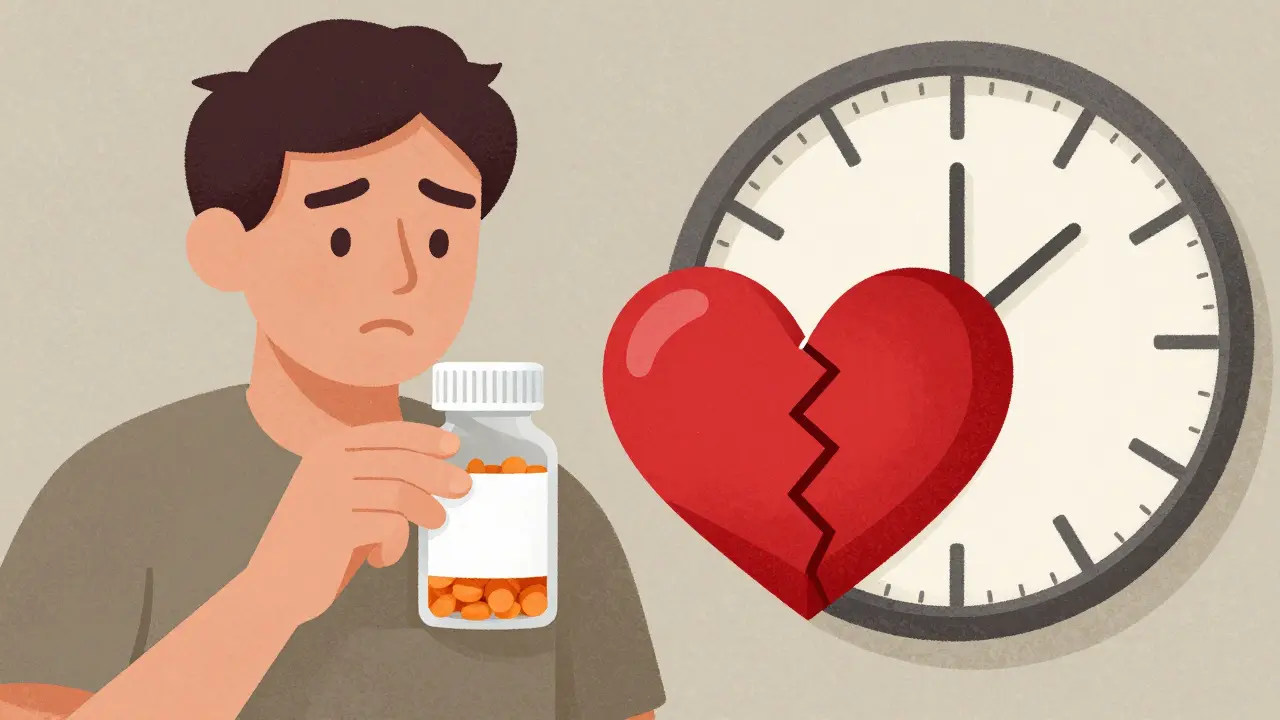
Patient taking antipsychotic medications face a 20-25 year shorter life expectancy compared to the general population. Shockingly, cardiovascular disease accounts for about 60% of this gap. This isn't inevitable-proper monitoring and management can prevent many of these deadly complications. Let's break down the antipsychotic side effects related to metabolism and what you need to know to stay safe.
Key Takeaways
- Second-generation antipsychotics (SGAs) significantly increase risks for weight gain, diabetes, and heart disease.
- Olanzapine and clozapine carry the highest metabolic risks, while aripiprazole and lurasidone are safer options.
- Baseline and regular monitoring of weight gain, diabetes risk, and lipid abnormalities is critical for all patients on antipsychotics.
- Integrated care between psychiatrists and primary doctors reduces metabolic complications by up to 50%.
What metabolic risks do antipsychotics cause?
Antipsychotic medications, especially second-generation types, can trigger serious metabolic problems. These include weight gain, a rapid increase in body mass that often leads to obesity, high blood sugar and type 2 diabetes, abnormal lipid levels like high triglycerides and low HDL cholesterol, and hypertension. The International Diabetes Federation defines metabolic syndrome as having central obesity plus any two of these issues. Patients on second-generation antipsychotics have a 32-68% chance of developing metabolic syndrome compared to 3.3-26% in those not taking these drugs. This isn't just about weight-it's about systemic damage that shortens life.
How different antipsychotics compare in risk
| Antipsychotic | Weight Gain Risk | Diabetes Risk | Lipid Abnormalities |
|---|---|---|---|
| Olanzapine | High (30% gain ≥7% body weight) | High | Significant |
| Clozapine | High (25% gain ≥7% body weight) | High | Significant |
| Risperidone | Moderate (20% gain ≥7% body weight) | Moderate | Moderate |
| Quetiapine | Moderate (15% gain ≥7% body weight) | Moderate | Moderate |
| Aripiprazole | Low (5% gain ≥7% body weight) | Low | Low |
| Lurasidone | Very low (3% gain ≥7% body weight) | Very low | Very low |

Why monitoring is critical and what it involves
Regular metabolic monitoring isn't optional-it's life-saving. The American Psychiatric Association and American Diabetes Association recommend specific steps for all patients starting antipsychotics:
- Baseline tests before starting: Weight, BMI, waist circumference, blood pressure, fasting blood sugar, and lipid profile.
- Follow-up at 4, 8, and 12 weeks: Check weight, blood pressure, and blood sugar. Lipid tests may be repeated if initial results are abnormal.
- Quarterly checks for the first year: Continue monitoring weight and blood pressure. Blood sugar and lipids as needed.
- Annual checks thereafter: At minimum, weight, blood pressure, and blood sugar should be checked yearly.
Dr. John Newcomer, a leading psychiatrist, notes, "Despite clear guidelines, many patients aren't even checked for basic risks like obesity or high blood pressure." This gap in care is dangerous-metabolic complications often develop silently. A 2021 Australian study found 42% of patients reported inadequate monitoring, leading to preventable health crises.
Challenges in implementing monitoring
Getting consistent metabolic monitoring isn't easy. Many patients skip blood tests due to fear or inconvenience. Healthcare systems often separate psychiatric and primary care, so doctors don't share data. A 2022 survey showed only 38% of U.S. psychiatrists follow ADA/APA guidelines fully. But there's hope: integrated care models like Kaiser Permanente's system reduced metabolic complications by 25% through coordinated care. For patients, working with a team that includes a psychiatrist, primary care doctor, and nutritionist makes a huge difference.

What you can do as a patient
If you're on antipsychotics, here's what matters:
- Ask for baseline tests before starting: Don't wait-get weight, blood sugar, and lipids checked before your first dose.
- Track your own numbers: Keep a log of weight, blood pressure, and any symptoms like excessive thirst or fatigue.
- Discuss medication options: If you're on high-risk drugs like olanzapine, ask about switching to lower-risk options like aripiprazole or lurasidone.
- Partner with your care team: Work with both your psychiatrist and primary care doctor to coordinate monitoring.
Real-world examples help. On Reddit, a user named 'AnxiousMedUser' shared how switching from olanzapine to aripiprazole stopped 45 pounds of weight gain. "I had to switch despite it being less effective for my psychosis because the weight gain was destroying my health," they said. Meanwhile, a 2022 survey found 82% of clozapine users accepted weight gain because it controlled their psychosis. This highlights the trade-offs-but with proper monitoring, you can manage both sides.
What's new in treatment and research
The FDA approved lumateperone (Caplyta) in 2023-a new antipsychotic with minimal metabolic side effects. Clinical trials showed only 3.5% of patients gained weight versus 23.7% on olanzapine. The National Institute of Mental Health is funding a $12.5 million study to find genetic markers predicting metabolic responses. As Dr. Christoph Correll explains, "The future is drugs designed to avoid metabolic harm while treating psychosis." However, current data shows metabolic syndrome still triples cardiovascular death risk, so vigilance remains essential.
What are the most common metabolic side effects of antipsychotics?
The top metabolic side effects include significant weight gain (often 10-20 pounds in the first few months), high blood sugar leading to type 2 diabetes, abnormal cholesterol and triglyceride levels, and high blood pressure. These can develop even without noticeable weight changes.
Which antipsychotic has the lowest risk of metabolic side effects?
Aripiprazole and lurasidone consistently show the lowest metabolic risks. Studies found only 5% of aripiprazole users gain over 7% of body weight, compared to 30% for olanzapine. Lurasidone has even lower rates-just 3% of patients experience significant weight gain. Both drugs also have minimal impact on blood sugar and lipids.
How often should I get my blood sugar checked while on antipsychotics?
Baseline fasting blood sugar should be checked before starting treatment. After that, repeat tests at 4, 8, and 12 weeks. If results are normal, annual checks are usually sufficient. However, if you're on high-risk medications like olanzapine or have other risk factors (like family history of diabetes), your doctor may recommend checking every 3-6 months.
Can lifestyle changes help reduce antipsychotic-related weight gain?
Yes-combined with medication management, lifestyle changes can cut weight gain by up to 50%. The Massachusetts General Hospital Freedom From Smoking program shows that structured diet and exercise plans, along with regular monitoring, significantly improve outcomes. Simple steps like daily walks, avoiding sugary drinks, and working with a dietitian make a measurable difference.
What should I do if my doctor doesn't monitor my metabolic health?
Be proactive. Request baseline tests before starting treatment and ask for a clear monitoring schedule. If your psychiatrist doesn't check blood sugar or lipids, ask them to coordinate with your primary care doctor. Many health systems now have integrated care teams-mention this to your provider. If you feel ignored, seek a second opinion from a specialist experienced in metabolic management.
Matthew Morales
February 4, 2026 AT 16:47Hey, this is super useful! I've been on olanzapine for a few years now. My doc checks my BP every 3 months. 😊 But I keep for getting to track my weight. Gotta do better. 🤦♂️
Carl Crista
February 4, 2026 AT 21:37Antipsychotics are part of a bigger scheme to control us Pharma companies and governments work together to make us sick They want us dependent on meds Look at the numbers Its all fabricated They don't care about our health Just look at the side effects Its all a scam We need to wake up
Georgeana Chantie
February 5, 2026 AT 03:35America is the only country that actually cares about mental health. Other countries don't monitor properly. We have the best healthcare system. Everyone else is just jealous. 😤
Lisa Scott
February 5, 2026 AT 09:34The metabolic syndrome data is confounded by industry-sponsored research The correlation is spurious The FDA's approval process is corrupt This is a systemic failure The entire healthcare system is compromised We need whistleblowers The evidence is overwhelming It's all a conspiracy
Diana Phe
February 5, 2026 AT 13:21The government is hiding the truth about antipsychotics They want us sick Its a plot Only America knows how to handle this Others are clueless We need to wake up
Johanna Pan
February 7, 2026 AT 08:07This is such an important topic! I'm glad we're discussing it. Proper monitoring can save lives. We need to make sure everyone gets the care they deserve. Its possible to manage these side effects. Let's stay positive and work together. 😊
Sam Salameh
February 8, 2026 AT 22:36America's healthcare system is top-notch. We monitor these side effects better than anyone. Other countries should take notes. We're doing great. 😊
Cullen Bausman
February 9, 2026 AT 12:22The US healthcare system is the best. We have the highest standards. Others should follow our lead. It's simple: monitor regularly. No excuses. We're leading the way. All other nations are behind.
Nancy Maneely
February 10, 2026 AT 00:48This post is just another example of how the system is failing us. They don't care about patients. It's all about money. Pharma companies are laughing all the way to the bank. We need to expose them. This is a national crisis. 😤
lance black
February 12, 2026 AT 00:08Stay vigilant about your health.
Joyce cuypers
February 12, 2026 AT 22:19You're doing great! Keep monitoring your health. It's so important. Don't stress too much. Just take it one step at a time. You can do this! 😊
Brendan Ferguson
February 12, 2026 AT 22:44It's important to balance mental health treatment with physical health. Regular monitoring is key for anyone on antipsychotics. Baseline tests before starting are essential-weight, blood sugar, lipids, blood pressure. Follow-up checks at 4, 8, and 12 weeks help catch issues early. Quarterly checks for the first year, then annually. Weight gain is common but manageable with diet and exercise. High blood sugar can lead to diabetes if unchecked. Lipid abnormalities increase heart disease risk. Hypertension is another serious concern. Integrated care between psychiatrists and primary doctors reduces complications by 50%. The American Psychiatric Association guidelines are clear on this. Many patients skip these checks due to fear or inconvenience. But ignoring them can lead to serious health problems. It's worth the effort to stay healthy. Small changes make a big difference. I've seen many patients improve with regular monitoring. Don't wait until it's too late. Take charge of your health today.
Kate Gile
February 13, 2026 AT 03:51This is really helpful info. Let's all work together to monitor our health. It's possible to manage side effects. Small steps make a big difference. Stay positive.
Elliot Alejo
February 15, 2026 AT 00:43Monitoring is crucial. We need to push for better protocols. Doctors should be required to check blood sugar regularly. It's not optional. Let's make sure everyone gets the care they need.